Designing Your Home With AI? Don’t Skip This Warning
As an entrepreneur who has found herself at the crossroads of two industries — tech and interior design — I not only design spaces, but I also review the technology that helps individuals design their own spaces.
Having tested and reviewed over 25 AI tools that promise to design your home and help you skip steep interior designer fees, I felt compelled to write a bit of a disclaimer for those of you considering using AI to design your home.
AVOID COSTLY (AND UGLY) DESIGN MISTAKES
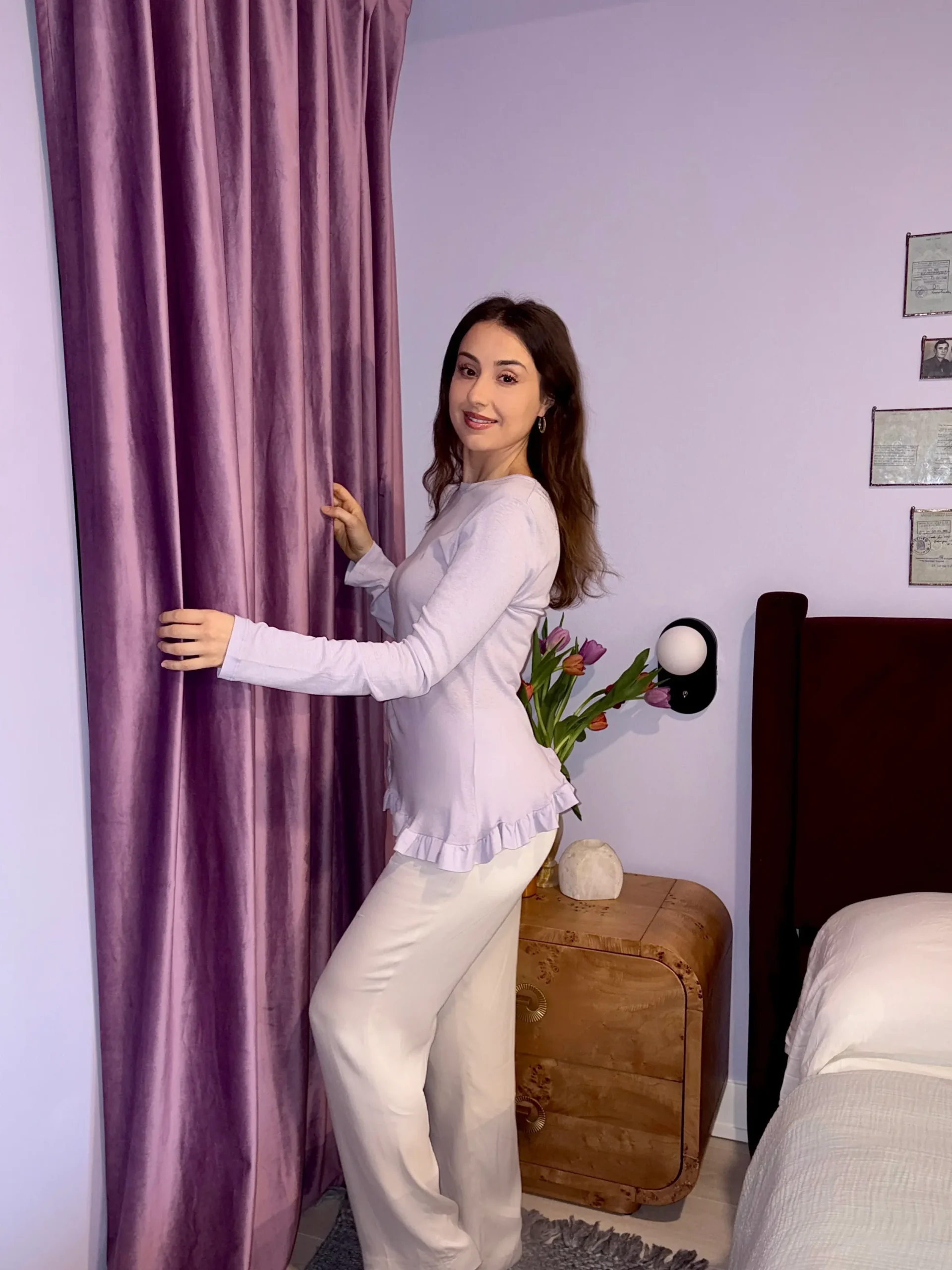
I was inspired to write this after connecting with a few fellow interior design professionals. One told me she works at a custom furniture store where customers are bringing in AI-generated designs from ChatGPT, insisting they want to replicate the AI design to the T.
Another shared that her clients are now using ChatGPT to create design concepts, and she’s unsure how to navigate this shift as more people experiment with AI tools.
Hearing these stories made me chuckle. Because…
Using AI-generated interior images that are not research-backed as a foundation for your home design is naive.
When Using AI, Proceed With Caution

Only relying on AI to design your home is a bit like someone past their day bringing a heavily Photoshopped photo of a 20-year-old supermodel to a plastic surgeon and saying, “Make me look like this.”
Another comparison I’d draw is someone using ChatGPT to write their prenuptial agreement.
Now, I don’t know about you, but there’s a certain territory where AI starts to feel a little iffy.
The Pitfalls of Designing Your Home With AI

So, where does AI fall when it comes to interior design? And why would someone who gets paid to review AI interior design tools criticize these same tools?
The truth is — I’m not speaking against AI design tools.
But, I will absolutely warn you about how and when to use these tools properly when designing your home.
Because when used correctly, AI can be a powerful assistant. When used blindly, it can be misleading, unrealistic, and cost you.
The Inaccuracies of AI Tools in Interior Design
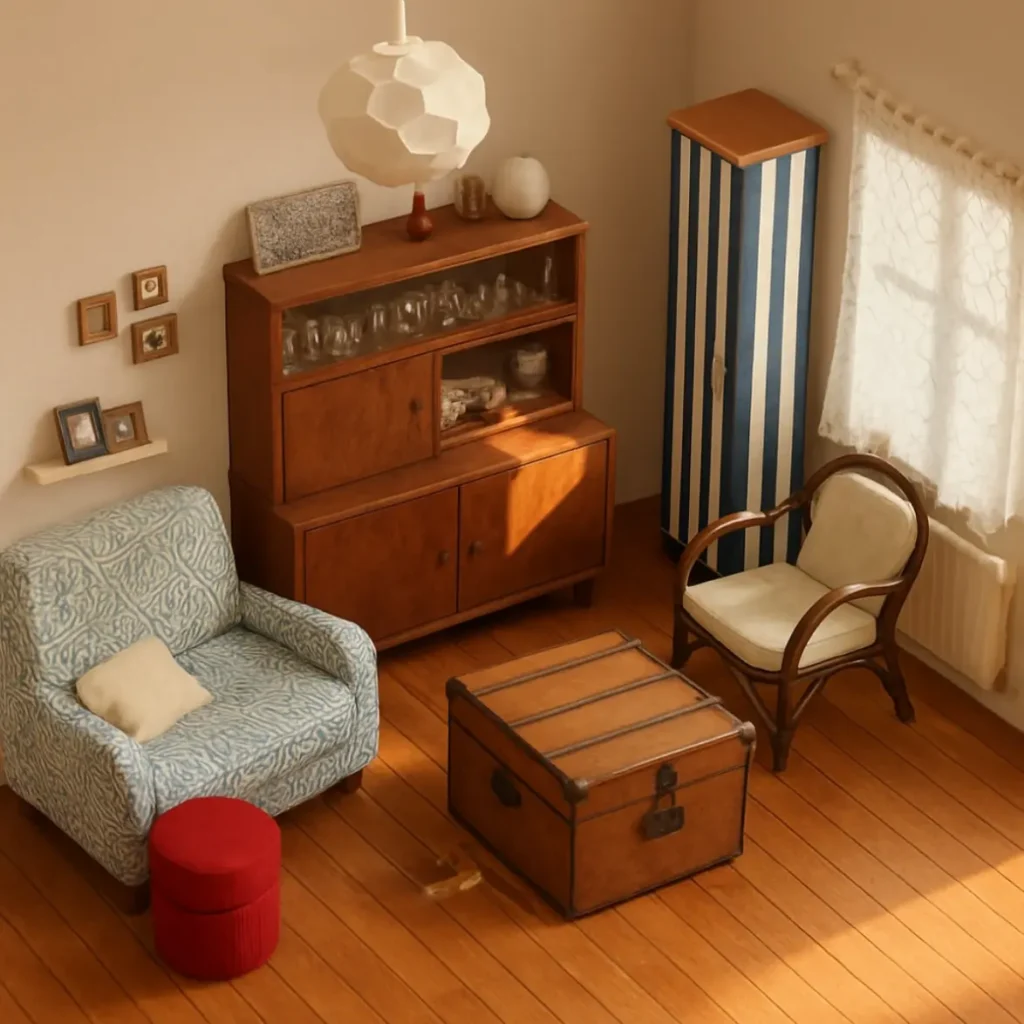
Let’s first touch on: Building code, Spatial awareness and clearances.
AI cannot plan for building code, which is especially critical for kitchen and bathroom projects. For example, it won’t account for proper spacing between a toilet, vanity, and shower. It can’t plan for necessary fillers in kitchen cabinetry to prevent doors and drawers from colliding. And it certainly doesn’t factor in electrical codes that vary from country to country.
Why does this matter?
Well…
I recently saved a client from installing a vanity that was six inches too large for their bathroom renovation. That would have been an incredibly expensive and frustrating mistake.
When designing a space, the first things I think about are sizing, proportions, code compliance, and function. It’s not about generating a pretty picture and then working backwards.
When laying out a room, you need a to-scale floor plan to properly plan furniture, cabinetry, and clearances.
To be fair, AI can assist in this process — but it still requires your legwork to create an accurate, scaled layout that is to-code and has the proper clearances.
No Liability from AI for Home Design
Another important point to understand when using AI for interior design is the liability factor. By nature, a lot can go wrong in design—especially with new builds, renovations, or any project that involves significant changes to finishes, layouts, or structural elements.
If you rely on AI to make all your design decisions, who is responsible if something goes wrong?
For example, if ChatGPT gives advice on your kitchen layout or recommends a design choice that turns out poorly, no one is there to take responsibility. AI cannot be sued, and it cannot fix mistakes. Its disclaimers explicitly state that it provides guidance, not professional liability.
This means that when AI steers you wrong, you are ultimately the one accountable. No AI tool can replace the expertise of a qualified designer or contractor who can evaluate the practical, structural, and safety implications of your project.
AI Creating Unachievable Home Designs

The next issue I have with AI tools for home design is that many of them create unachievable designs.
A lot of these tools generate beautiful, dramatic, highly stylized images. And don’t get me wrong — they can look incredibly cool.
But when I look at these AI-generated interiors through my eyes (a designer), what I see is a pretty picture backed by little to no research.
In contrast, when I present a design to a client, that image reflects extensive planning behind the scenes. It includes a to-scale floor plan, properly sourced items that are available for purchase, and selections that align with the client’s budget. So, the design is very much achievable.
AI, on the other hand, can create elaborate, aspirational designs that fall apart when someone tries to recreate them. What often happens is people attempt to replicate the look and end up with what I like to call a Walmart–Temu version of the design, and it doesn’t read nearly as well as the polished computer-generated image did.
Even with AI tools that provide product sourcing similar to the designs they create, the legwork is still not eliminated. AI may generate a few decent furniture suggestions, but you still need to:
- Check reviews
- Confirm availability
- Compare with similar products on the market
- Verify quality
- Confirm scale and ensure everything fits your space properly
Clearly, AI for home design acts as more of an assistant than a designer.
How To Use AI Properly For Home Design
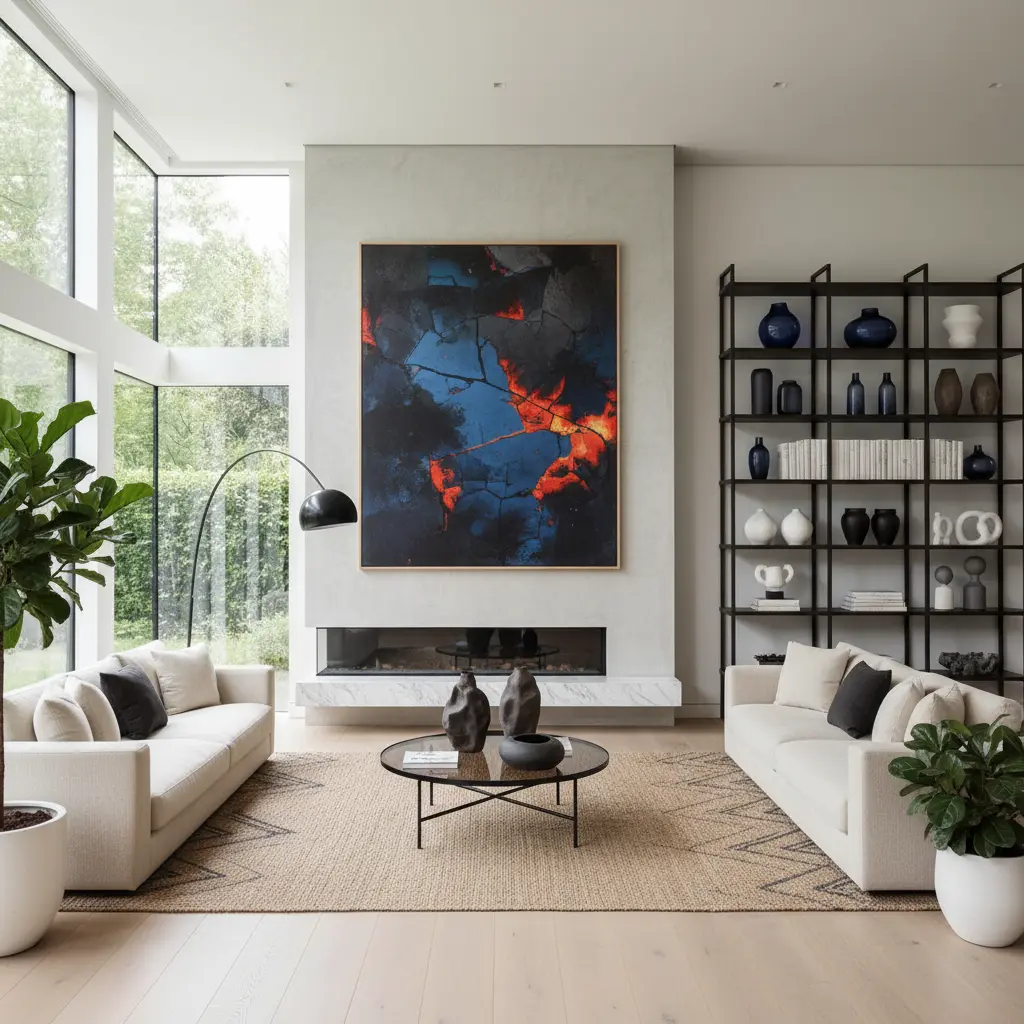
Now, after reading these warnings about using AI for home design — and understanding the limitations and drawbacks — I want to give my two cents on when and how you should use AI when designing your home.
When AI Home Design Tools are Great for Home Design
AI can be incredibly useful for:
- Small decorating projects
- Visualizing items you’re considering buying in your space
- Helping you choose between two decor options
- Reimagining your space in a different design style
- Generating ideas and serving as a source of inspiration
- Getting initial furniture suggestions
- Using the app purely for entertainment
In these scenarios, AI can be a fun and helpful assistant.
What AI Home Design Tools are Not Good At
AI falls short when it comes to:
- Verifying clearances, building code, and spatial planning
- Creating achievable designs backed by real research
- Designing custom elements like millwork or cabinetry tailored to your space
- Planning and managing a realistic furniture or renovation budget
- Ensuring proper scale, proportion, and real-life functionality
These are the areas where professional experience — and real legwork — matter most.
My AI Recommendations
Now, I still advocate for using AI in home design — just not for every single step of the process.
I’d be a hypocrite if I suddenly rejected AI altogether. After all, I review these tools. But I also believe in being honest about what they can and cannot do.
Think of me like the honest plastic surgeon: no, you’re not going to look like a 25-year-old Sofia Vergara after a procedure — but you might look like a slightly younger, well-rested version of yourself.
AI is similar. It can enhance the process. It can support your creativity. But it’s not magic.
So, if after reading my disclaimer you still want to use AI to design your home (and I don’t blame you), here are my favourites:
- Planner 5D — Best for to-scale floor planning and layout work
- Ohouse — Great for visual experimentation and seeing different decor styles in your space
- ReImagineHome – Great for generating interior design ideas
For a full step-by-step guide on how to properly use AI to design a room — and more of my AI tool recommendations — read: How To Use AI To Design a Room, Designer Best Practices.
If you are looking for an AI to help you with furniture shopping, read: Is AI Your New Furniture Shopping Assistant? A Designer’s Test
Click Here To Shop My Favourite Home Goods
Let’s design your space together, virtually.