The Honest Truth About Being an Interior Designer
When I tell people I’m an interior designer, I usually get the same handful of reactions:
“Wow, that sounds like so much fun.”
“That’s so cool!”
“Your job is so creative.”
And honestly, sometimes it makes me giggle.
As a self-employed designer, I dream of the days when I get to wander beautiful showrooms, source gorgeous pieces, and place the perfect cushions in a finished space—because I know that’s what most people imagine my day looks like.
The day-to-day reality, though, is very different.
Interior design is far less glamorous and far less creative than people think. Between selling yourself, building relationships with contractors and suppliers, marketing your business, producing technical drawings, spending endless hours on CAD, creating FF&E schedules, managing budgets, solving unexpected problems, and sourcing what’s realistic instead of what’s in the dream design, the day-to-day of an interior designer looks nothing like the highlight reel.
So, I wanted to write this post to give you a behind-the-scenes look at what working as an interior designer is actually like, especially if it’s a career you’ve been curious about.
And don’t get me wrong—this isn’t going to be a complaint session or a trauma dump about my career. I’ve been working in the interior design industry since 2017, and I have no plans to leave it. My career has evolved over the years, but I’m still very much a practicing designer. Learn more about me here.
What I can offer is honest insight into the profession…the real version of interior design, not the HGTV version.

What They Don’t Teach You in Design School
There’s so much more to being an interior designer than most people realize, and I’m here to share what I’ve learned from nearly nine years in the industry.
My career has taken me through several different paths. I started as a kitchen and bath designer before becoming an interior design assistant while building my own client base on the side. From there, I moved into real estate development and corporate design, all while continuing to grow my own business. More recently, I’ve pivoted into the world of interior design technology and virtual design, while still running my interior design studio.
Each chapter of my career has taught me something different, and together they’ve given me a much broader perspective on what it really means to work in this industry.
These are the lessons I wish someone had taught me in design school.
1. You May Have Great Design Ideas, But Your Clients Have Different Taste
One of the biggest lessons I’ve learned as an interior designer is that you may have amazing design ideas for a client’s home, but ultimately, they won’t matter if your client doesn’t connect with them.
That’s the reality of designing for other people. You’re trying to create a home that they love, not bring your own interior design fantasies to life.
Throughout my career, I’ve learned to read people like a book. You need to get into your client’s head and understand what excites them, what they’re naturally drawn to, and what will make them truly love their space.
Sometimes, that means abandoning your own bold or favourite ideas in favour of something that better suits your client.
After all, they’re hiring you to spend their money to create a home they will love.
And that doesn’t mean the design process isn’t fun. It simply means it’s challenging. I’d actually argue that the challenge of creating designs that genuinely reflect my clients has made me a much better designer.
2. Designing for a Budget
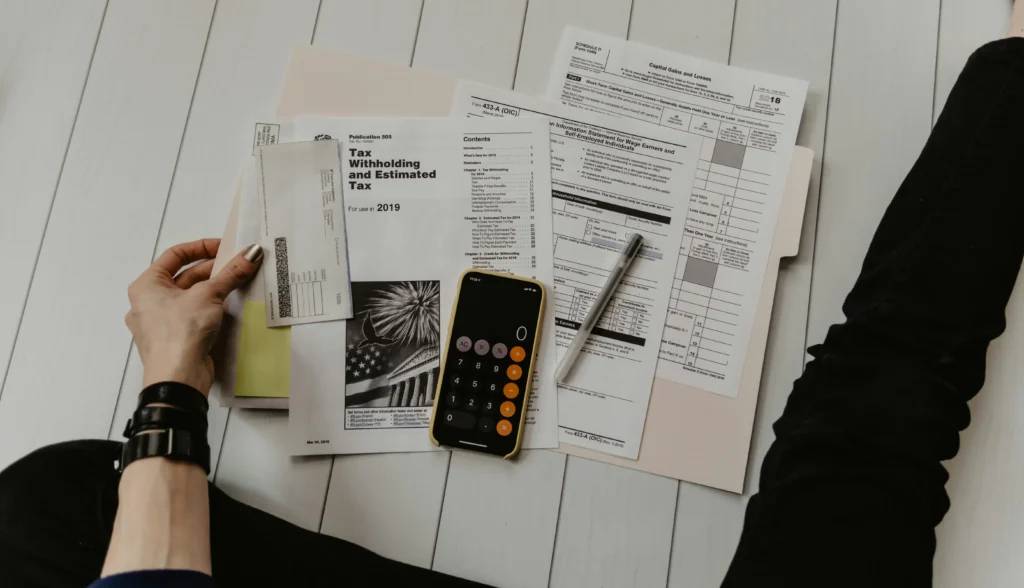
Designing for a budget is definitely not something they taught me in design school, yet it’s the biggest factor in every project.
What people want and what people can afford are often two very different things, and managing expectations throughout that process can be incredibly difficult.
If you design with the budget in mind from the beginning, clients can sometimes be disappointed with the final proposal because many people have unrealistic expectations of what their budget can actually achieve. The end result can feel like it falls flat compared to what they desired.
On the other hand, if you design without considering the budget, clients might absolutely love the concept—until they realize it’s well beyond what they’re able to spend. At that point, the excitement disappears almost instantly.
The reality is that designing on a budget while still trying to create something beautiful and satisfy your client is one of the hardest balancing acts in interior design.
Quite often, people think I’m a magician who can create incredible spaces with unrealistic budgets. Unfortunately, one of my jobs is delivering the news after the feasibility study that if you want this design, you’ll need to invest more money, and that is not the greatest news to deliver.
3. Interior Design Involves a Lot of Admin Work

One thing many aspiring interior designers quickly realize is that interior design involves a lot more admin work than they expected.
There’s paperwork, emails, project management, documentation, and keeping track of what feels like a million moving parts.
Creating FF&E schedules can have designers spending hours inside Excel, copying and pasting information, formatting documents, and double-checking specifications. Creating design presentations is another huge task, where you’re not only designing the interior, but also designing the presentation itself so that it effectively communicates your vision to the client.
software to assist with the admin side of design
Read: DesignSpec: Is It The Best Spec Writing Software For Designers?
Read: The Best All-In-One Software For Interior Designers
Then comes procurement, which involves submitting purchase orders, tracking cost of goods sold, invoicing clients, monitoring billable and non-billable hours, tracking orders, coordinating deliveries, following up with vendors, resolving delays, and keeping detailed records of everything along the way.
It’s a huge amount of logging, tracking, and paperwork, and if I’m being honest, it’s probably my least favourite part of the job.
Thankfully, today’s technology has made this process much easier. Interior design software, project management tools, and AI platforms like Claude have significantly reduced the amount of repetitive administrative work designers have to do.
Read: How Interior Designers Can Reclaim Their Time with Claude Cowork
4. Collaborating with Trades

The biggest hurdle in interior design, at least for me, has been working with and coordinating trades.
I find this part of the job incredibly challenging, but it’s also absolutely necessary. After all, someone has to bring your designs to life.
Unless you’re strictly focused on design consultations or virtual design, collaborating with trades is almost unavoidable at some point in your career.
The difficult part is that you’re relying on other people, and hiring the wrong trades can quickly turn a project into a nightmare.
The wrong contractor can cause project delays, poor workmanship, budget overruns, and unhappy clients. And unfortunately, even when it isn’t your fault, your reputation as the designer can still take a hit.
Working with the wrong trades can lead to endless site visits, deficiency walkthroughs, difficult conversations, and problems that seem to have no end in sight.
It has taken me years to build relationships with trades that I genuinely trust. I’ve certainly had my fair share of renovation horror stories, and honestly, there’s no amount of design school that could have prepared me for those experiences.
5. Non-Billable Hours and Overtime

One of the biggest taboos in the interior design industry is: non-billable hours. The reality is that, as a busy interior designer, you’ll spend countless hours working that you simply can’t charge for.
Projects have deadlines, clients can sometimes be unreasonable, and unexpected issues often arise—even when someone else is clearly responsible. To keep a project moving or maintain a positive client relationship, designers frequently work overtime without being able to bill for every hour.
Also, there is an enormous amount of work involved in establishing yourself as a designer that goes unpaid. Networking, researching products, checking availability, communicating with vendors, managing project changes, problem-solving, and keeping clients happy all require significant time and effort, yet much of this work cannot always be compensated for.
Interior design is a profession you have to genuinely love. Success requires a willingness to put in the work to build your reputation, exceed client expectations, and accept that the hours can often be unpredictable. While the creative rewards can be incredibly fulfilling, the reality is that not every hour you invest will be billable—and that’s a part of the profession that every designer eventually comes to understand.
The Takeaway
The purpose of sharing these lessons isn’t to scare you away from becoming an interior designer.
It’s simply to show that there is so much more to this career than what people see on social media or HGTV.
The tight deadlines, working with trades, designing within budgets, developing product knowledge, managing projects, and learning how to sell yourself are all part of becoming a successful designer. They challenge you to grow not only as a creative professional, but as a communicator, problem solver, business owner, and leader.
Whether you dream of running your own interior design business or working for an established design firm, this is a demanding industry to succeed in. It requires creativity and enthusiasm, but it also demands technical knowledge, organization, resilience, and the ability to adapt to constantly changing client expectations.
Interior design is so much more than selecting beautiful furniture or picking paint colours. It’s about balancing creativity with practicality, managing people as much as projects, and turning countless moving pieces into one cohesive space.
Click Here To Shop My Favourite Home Goods
Let’s design your space together, virtually.