A Simple Guide to High-Rise Pre-Construction
Do you want to understand how a skyscraper is built? Me too, and let me tell you, there are MANY complicated steps. Let’s break down the basics of how these projects are planned and get to the construction stage. In this beginner-friendly guide, I will walk you through the step-by-step process of high-rise pre-construction, making complex concepts easy to understand.
As a Torontonian, I am surrounded by skyscrapers, construction and weed shops. So, naturally, I became fascinated with pre-construction projects. The Toronto building development industry is booming. The next 5-10 years of the city are going to be very transformative, mostly due to how many development projects are currently commencing and with plenty more down the pipeline. I, actually invested in my very own pre-construction condo.
AVOID COSTLY (AND UGLY) DESIGN MISTAKES

The steps of high-rise pre-construction (simplified)

1. Finding the Perfect Spot: Imagine you’re picking the best spot for a giant LEGO tower. You want it to be in a cool neighbourhood with lots of people around, right? That’s what developers do too! They look for land in places where lots of folks want to live, work, and play. It’s all about location, location, location!
2. Checking Out the Neighbourhood: Before you start building, it’s like doing homework on the area. You want to know who lives there, what they like, and what they need. This helps developers figure out if their building idea will be a hit or a miss. They also check if the land is okay for building and if there are any special rules they need to follow.
3. Drawing Up the Plans: Next comes the fun part: drawing up the blueprints! Architects, engineers, and designers work together to create cool sketches of what the building will look like inside and out. They think about how many floors, where the doors go, and even what colour the walls will be. It’s like planning a giant puzzle!

It’s all about the money, money, money…
4. Finding the Money: Building a high-rise is like a big game of Monopoly. You need lots of money to buy properties and build stuff. Developers get cash from banks, investors, or even their own pockets to pay for everything. They have to make sure they have enough dough to pay for materials, workers, and all the other stuff they need.
5. Watching Out for Problems: Just like a superhero needs to watch out for bad guys, developers need to watch out for problems. Things like delays, unexpected costs, and rules changing can mess up the plans. So they have to keep their eyes peeled and have backup plans ready, just in case.
6. Making It Eco-Friendly: These days, everyone wants to save the planet, and buildings are no exception! Developers try to make high-rises eco-friendly by using things like solar panels, energy-saving lights, and recycled materials. It’s like giving Mother Nature a high-five! Read A Simple Guide to Eco-Friendly Interior Design
7. Consulting with Everyone: Building a high-rise is like throwing a big party, and you want everyone to be happy! Developers talk to neighbours, city officials, and even the folks who will live or work in the building to make sure everyone is cool with what’s going on. It’s all about teamwork!
Phases of the actual construction
Once the plans for a high-rise building have been approved and the green light for construction has been given, the construction work begins. Here are the key steps that follow:
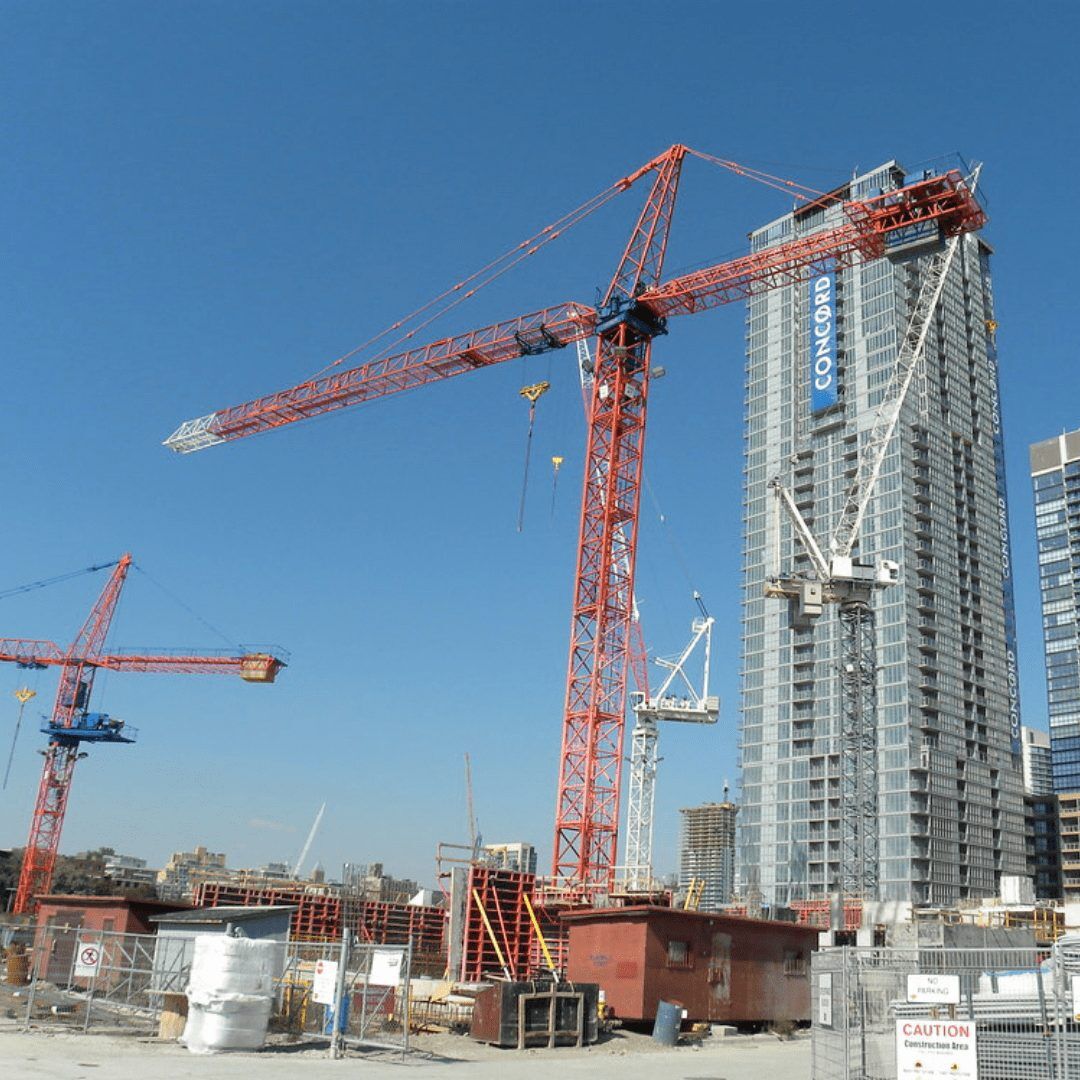
1. Preparation of the Site: Before any building can begin, the construction site needs to be prepared. This involves clearing the land, levelling the ground, and setting up temporary facilities such as fencing, site offices, and storage areas.
2. Foundation Work: Just like a tall tree needs strong roots to stand tall, a high-rise building needs a solid foundation. Construction crews excavate the ground and pour concrete to create the foundation, which supports the weight of the entire structure.
3. Structural Framing: Once the foundation is in place, it’s time to start building upwards! Structural framing involves erecting the steel or concrete framework of the building. This includes columns, beams, and floors, which form the skeleton of the structure.
4. Floor Construction: With the framework in place, construction crews begin to install the floors of the building. This involves pouring concrete slabs, laying down structural steel, and installing floor finishes such as tiles or carpeting.
5. Exterior Enclosure: As the floors are being constructed, work also begins on the exterior enclosure of the building. This includes installing walls, windows, doors, and other components to enclose the building and protect it from the elements.
6. Mechanical, Electrical, and Plumbing (MEP) Systems: Inside the building, crews install the mechanical, electrical, and plumbing systems that are essential for modern living. This includes things like HVAC (heating, ventilation, and air conditioning), electrical wiring, plumbing pipes, and fire suppression systems.
Where interior decorating comes into high-rise pre-construction
7. Interior Finishes: Once the building is weather-tight and the MEP systems are in place, attention turns to the interior finishes. This includes installing drywall, painting, flooring, cabinetry, and fixtures to create the final look and feel of the building’s interior spaces.
8. Final Inspections and Testing: Before the building can be occupied, it must undergo thorough inspections and testing to ensure that it meets all safety and building code requirements. This includes checking structural integrity, fire safety systems, and the functionality of MEP systems.
9. Occupancy and Commissioning: Once all inspections have been passed and any necessary corrections have been made, the building is ready for occupancy. This involves obtaining the necessary permits and certificates, as well as coordinating the move-in process for tenants or residents.
10. Decorating can begin: Certainly, my favourite part.
So, there you have it, a simple guide to high-rise pre-construction. Building a high-rise is like putting together a giant puzzle, with lots of pieces and plenty of challenges along the way. But with careful planning, teamwork, and a little bit of luck, developers can turn their skyscraper dreams into reality.
Click Here To Shop My Favourite Home Goods
Let’s design your space together, virtually.