The Joy of Owning Less: How to Stop Buying Useless Things
Minimalism isn’t just an interior design trend; it’s a lifestyle choice that promotes simplicity, mindfulness, and the freedom that comes with shedding excess. Stop buying – become mindful of all your purchases. In this post, I share my journey with becoming more minimalist and the steps to take to stop buying and start to feel content with what you already have.
AVOID COSTLY (AND UGLY) DESIGN MISTAKES
My realization that I need to stop buying and start decluttering
I love online shopping and love boutique shopping. You will never catch me at a mall. But you will find me at every downtown Toronto market looking through all the unique, vintage and handmade things. Often times I found that I would buy something just to buy something. And, I am all for supporting small businesses, dont get me wrong, keep shopping small and local. But, I don’t recommend that you buy things that you don’t really want or need.
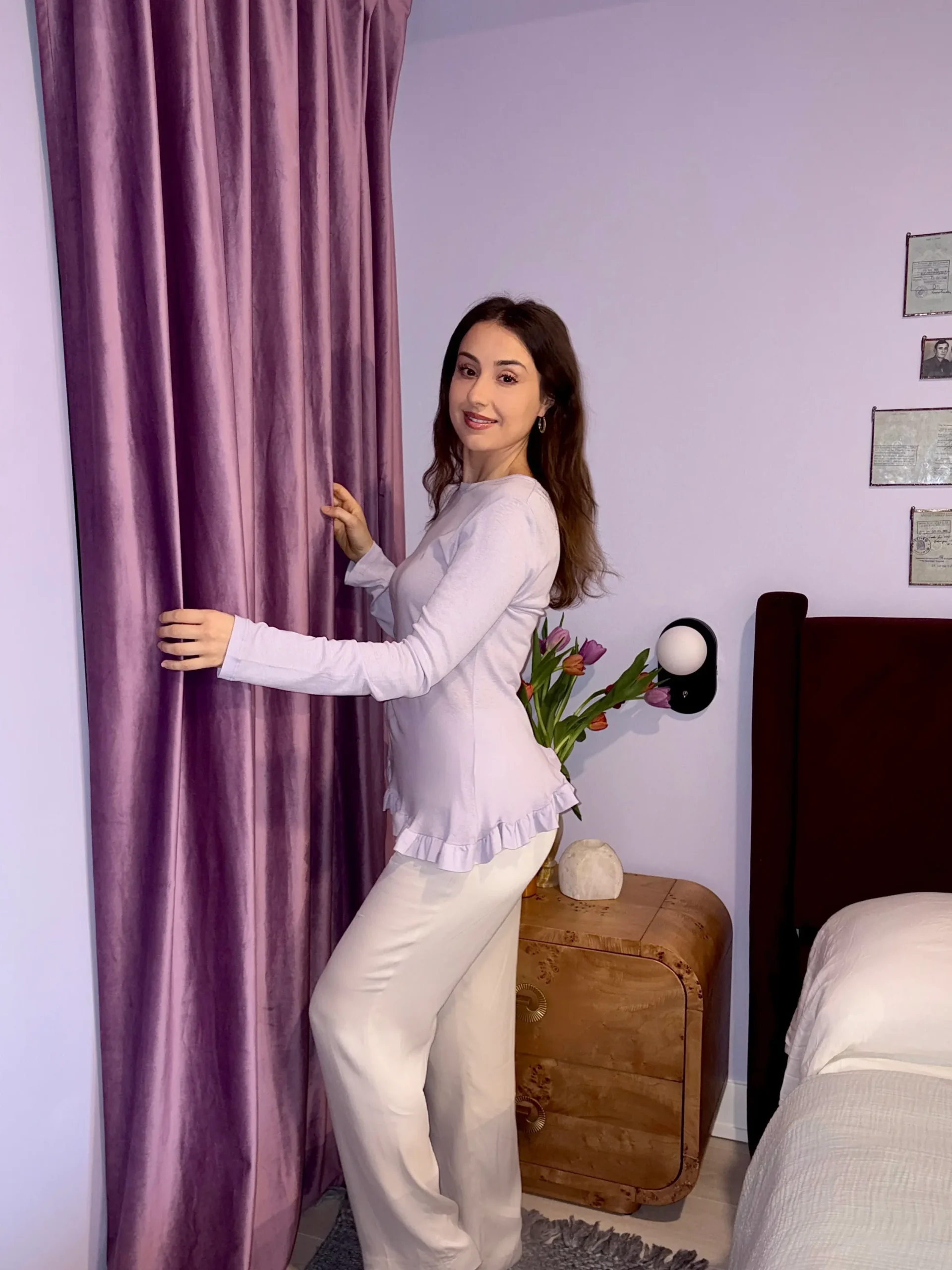
I’ve come to realize that I have way too much stuff. I realized this when I moved into a small downtown Toronto condo. Before I even moved into my condo, I got rid of a bunch of stuff. Then when I moved in I was shocked at the amount of stuff I still had, so I got rid of more. Then a couple of months go by and I’m still asking myself how I have so much stuff. It feels never-ending.

Note to self: stop buying and stop holding onto things
I seriously cannot take it anymore. My problem is not just shopping, my problem is that I hold onto a lot of things. I’m not a hoarder, and I am a pretty tidy person. But, I tend to let things collect. Mostly, because I don’t want to throw things away, I feel bad for throwing things out. I tend to think that I will reuse things. So I keep glass jars, clothes I don’t care for and chachkas that have no sentimental value. But I’ve come to realize it’s easy to accumulate clutter. It kind of creeps up on you then one day when you’re trying to find something…boom, you realize your home is a hot mess and you get frustrated in your own space. As a designer, frustration in any space is not something I aim for at all.
Something has kind of snapped in me, I have this desire in me to become a minimalist. Don’t get me wrong, I still love things and will continue to buy things. BUT, I am really, really, really, only trying to buy things I absolutely need and love.
I really aim to be very intentional with my purchases, and in fact, I aim to be intentional with all things in life.
I’m starting to purge and resist the urge to buy
The more that I get rid of, the more light I feel. I can’t stand to open my stock drawer only to see a huge overload of socks. Does one really need so many socks? Why didn’t I throw away these pair with a hole sooner?! Surely, I waste so much time and energy organizing all these things, it would be a lot easier to be organized with a lot fewer things.
The key to not creating clutter is to get rid of things as soon as you have decided that they no longer serve you.
It’s like dating, we have all kept that one guy around for far longer than he needed to be around. For what purpose? Maybe there was a fear of letting go. Or maybe he was just damn fine.
BUT when you do let go, you feel very liberated and free. Well, at first it feels like you’re really missing out on something. But eventually or at least hopefully, you come to contentment with the things (or people) that you have let go of.

7 steps to help you become content with what you have and STOP buying things!!
1. Understanding the urge:
You need to understand why you often feel compelled to buy things you don’t truly need. Is it societal pressure? Emotional fulfillment? Identifying the root causes of excessive shopping is the first step toward making mindful choices. For me, it’s the excitement of getting something new and the fear of missing out. I don’t want to not buy something and regret not buying it… but most times I DO regret buying it.
2. Embrace mindful consumption:
Before making a purchase, ask yourself a series of questions: Do I truly need this? Will it add value to my life? Can I see myself using it frequently? Cultivating mindfulness around your purchases helps you differentiate between genuine necessities and impulsive desires. You really need to determine if this item will add to your life or just create clutter.
3. The power of decluttering:
Start by decluttering your existing possessions. This not only helps you realize how much you already have but also clears physical and mental space for the things that truly matter. As you declutter, you’ll likely discover items you forgot you had – a testament to the excess that often goes unnoticed.
4. Quality over quantity:
Investing in high-quality items might come with a higher price tag, but it often translates to longer lifespans and greater satisfaction. Consider the long-term value of a purchase instead of opting for cheaper, disposable alternatives.
5. Practice the 30-day rule:
This one is a game-changer!!!! For non-essential purchases, implement the 30-day rule. If you find something you want, wait 30 days before buying it. Often, the initial impulse fades, revealing whether the item was a true necessity or just a thing you saw on an Instagram ad.
6. Curate your environment:
Transform your living space into a curated haven that aligns with your interior design style and lifestyle. Surround yourself with items that spark joy and serve a purpose. A clutter-free, intentional space can significantly impact your overall well-being.
7. Envision all the MONEY you will SAVE!!!

Money is a motivator for everyone. Realizing the substantial savings through the conscious avoidance of unnecessary purchases should be enough encouragement to curb this behaviour. Create a list of things that you almost bought but didn’t, tally up the amount of money that would have been spent on those items and I’m sure you’ll be shocked to see how much money you saved.
You can use tools such as Simplifi to track your savings!
To read more on the topic, Read Declutter Your Mind By Decluttering Your Home.
In my approach to design, it’s crucial for me to emphasize the integration of decluttering within the design process. Recognizing the profound influence of clutter, it not only affects the well-being of the occupants but also profoundly influences the interior design’s aesthetics and functionality. Every facet of a space contributes to its holistic ambiance, making decluttering as vital as selecting the perfect decor elements and crafting the appropriate colour scheme.
Anyways, I hope this helps you and motivates you to be a little more mindful about your purchases and encourages you to STOP buying and start appreciating what you already have.
Best Home Brands for Organizing Needs
My go-to brand for all my organizing needs is Umbra. I also love Sicotas for storage needs.
Read: Everything You Should Know When Decorating Your Small Condo
Read: The Coolest Home Brands You Must See
Let’s design your space together, virtually.