Once again, there’s a new AI on the block that’s set to shake up the interior design industry. And, of course, the self-proclaimed AI Interior Design Queen has to share her two cents. You might be wondering: What on earth is Nano Banana? Honestly, when I first heard the name, I thought it was some weird fitness AI app. But, nope. In short, it’s Google’s new AI tool that can edit images in seconds. That means you, as a homeowner, can use it for interior design, or we designers can use it to create stunning visuals for our clients. With this tool, one can swap paint colors, remove clutter, or test out new furniture in a space—without spending hours (and shedding tears) learning Photoshop. Sounds amazing, right? Let’s dive into the details.

Nano Banana, Google’s New AI Image Generator
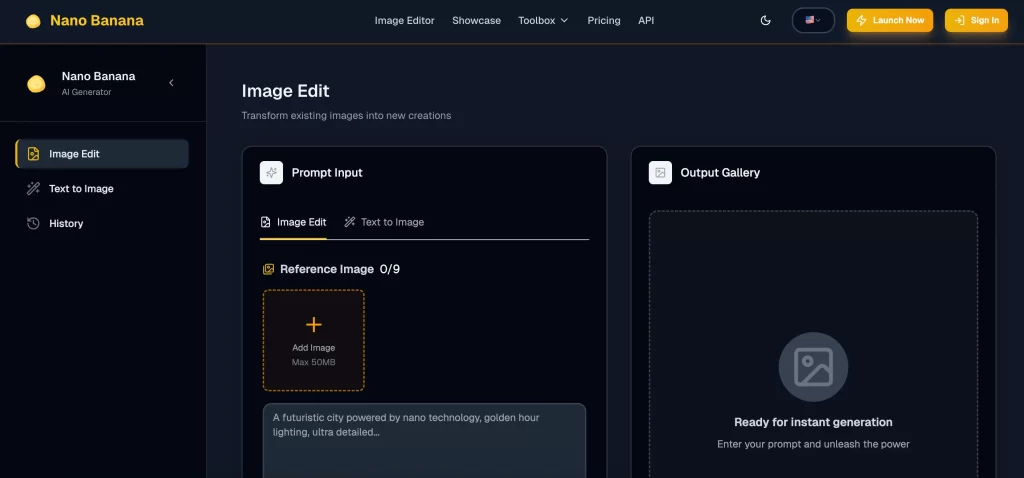
Nano Banana is Google’s new AI image generator. In short, it manipulates images with features like image editing and text-to-image generation. These tools are commonly used to create portraits, landscapes, products, artwork, anime, and of course, interiors. At first glance, this AI seems comparable to others already out there. But naturally, I’m curious to see how it stacks up, what sets Nano Banana apart, and whether it’s a tool worth noting for interior design.
Designer Puts Nano Banana To The Test
So, Nano Banana seems like a versatile AI tool that can be applied to interior design (and I’ll be testing it out and sharing the results here). But what exactly does Nano Banana claim to offer for designers/interior design? Here’s the breakdown:
- Precise edits, like swapping flooring, fabrics, and finishes
- Furniture placement within real rooms
- Rapid iterations of design concepts in seconds
- Stunning renders created in just minutes
- Re-renders generated in seconds
- Material swaps in the blink of an eye
Sounds great, right? Well, yes—but here’s the thing. I’ve already tested the hottest AI interior design tools on the market, and many of them can already deliver on these promises. So the real question is: Is Nano Banana actually better? Let’s find out.
Read: The Best and Worst Interior Design AI,A Designer’s Review
Text To Image Tool
For my first test, I wanted to try out the text-to-image feature to see just how creative this AI could be—and how well it could pull a design out of thin air. I gave it this prompt:
“Create a spacious living room with a contemporary fireplace as the focal point. The overall design should be light and bright, with artistic accents that provide a striking contrast.”
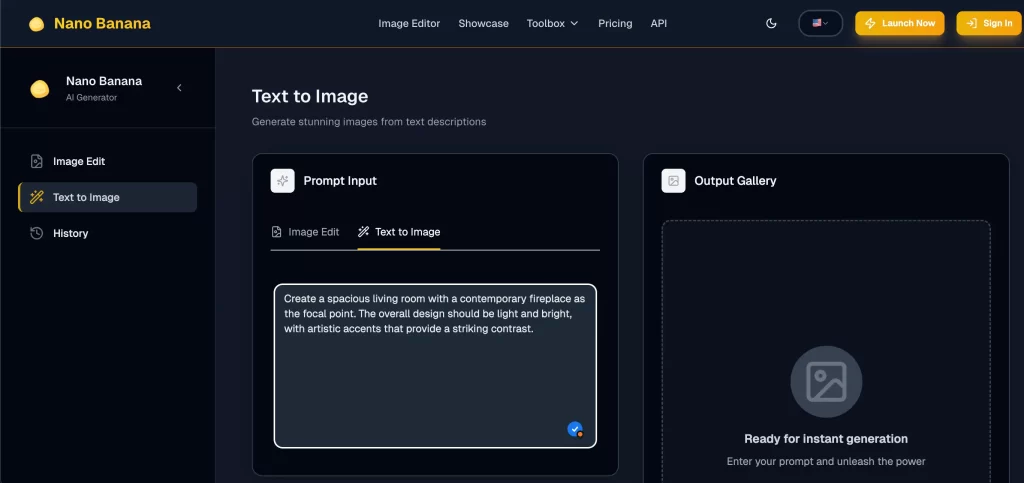
Here’s the output I got:
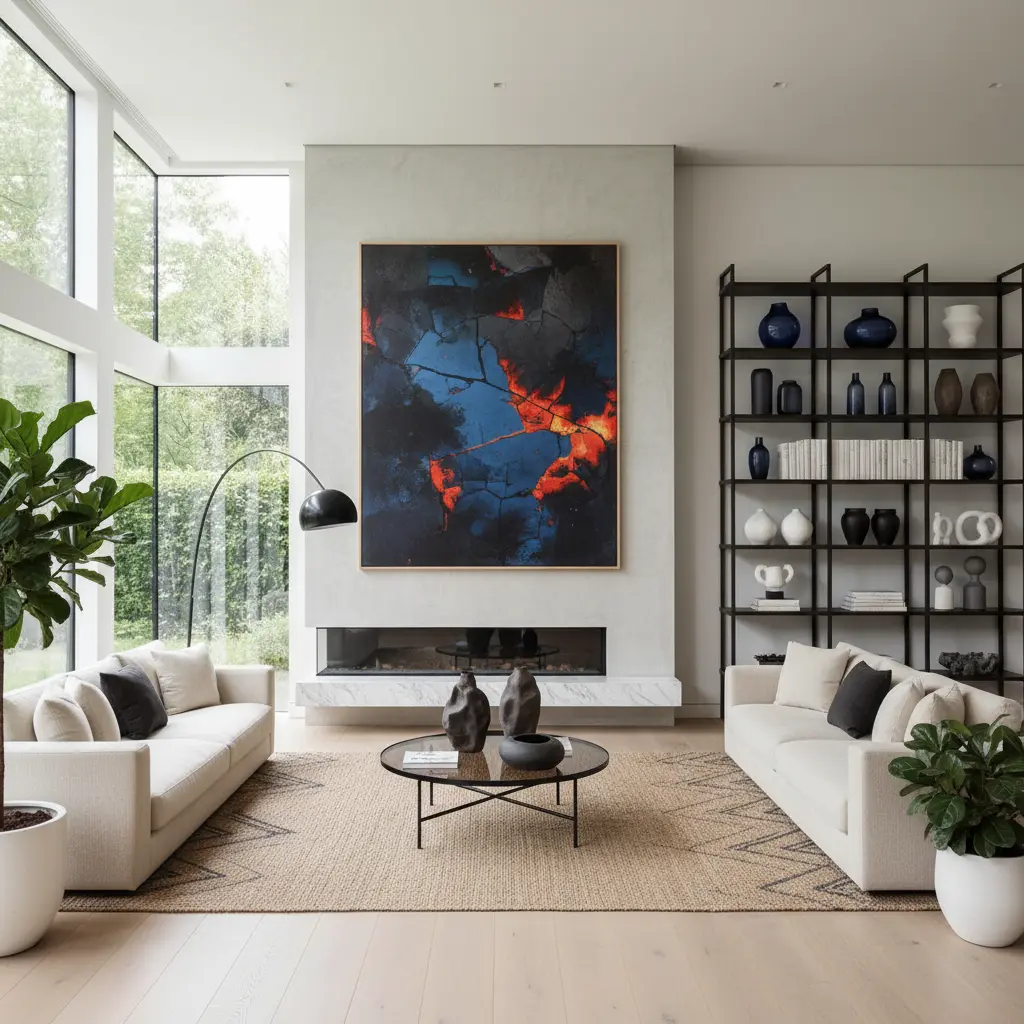
The result is certainly a beautiful living room. My critique, however, is that the decor feels a bit excessive—the shelving and coffee table are cluttered with too many knick-knacks for my taste. I’m also not entirely sold on the rug and coffee table combination, and I noticed the sofas are missing end tables, which feels like an oversight. That said, it’s still undeniably visually appealing space.
As designers, we usually aren’t creating spaces or placing elements completely out of thin air. While I can appreciate the text-to-image feature, I think the image editor will be far more useful for interior design. So, let’s put it to the test!
Image Edit Tool
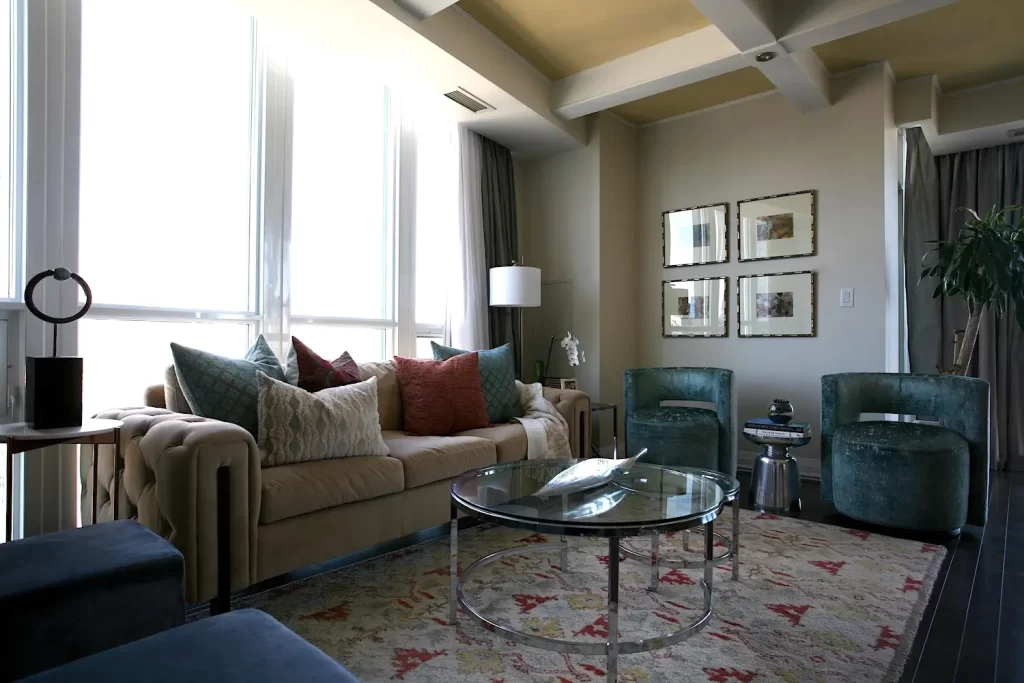
Next, I uploaded a photo of a living room I decorated many moons ago and gave the AI this prompt:
“Refine this living room to have a more minimal aesthetic. Use a softer, subtler rug pattern and adjust the color palette to be more muted and calming.”
Before:
The result:
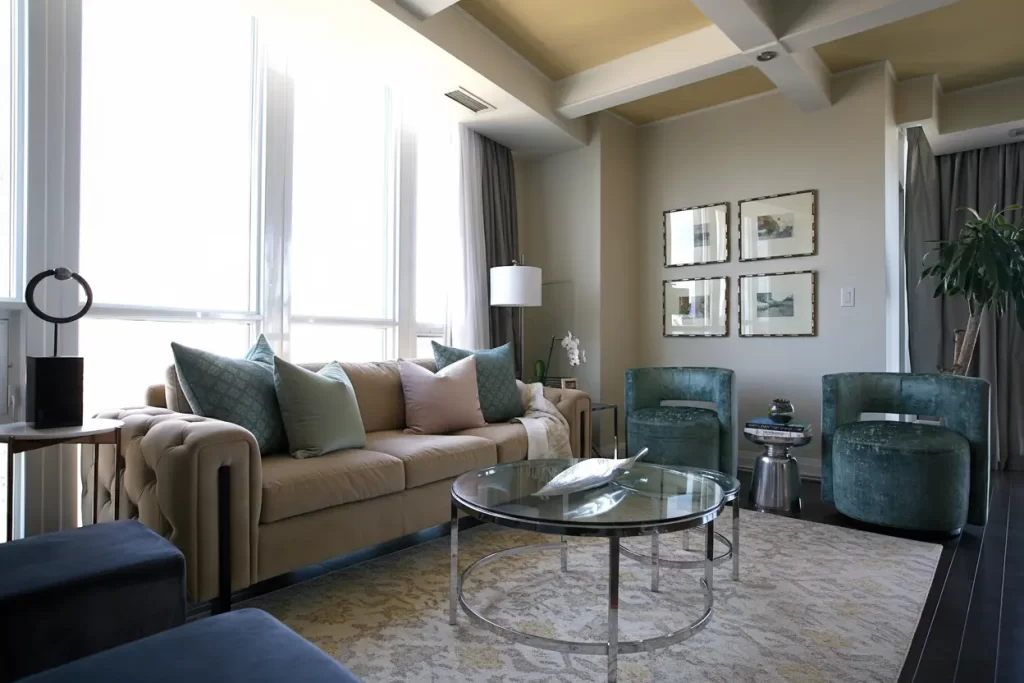
Wow! The transformation is truly impressive. The render quality is top-notch, and the AI followed my instructions perfectly.
How To Use and Access Nano Banana
NEW Post Read: The Best Nano Banana Pro Prompts For Interior Designers
Of course, you can access Nano Banana directly from its official site. You’ll get one free credit to test the AI tool, and from there, you can decide whether a paying your hard-earned dollar for the AI tool is worth it. The yearly plans range from $12 USD to $40 USD per month, depending on the quality and number of renders you want. If you’d rather not commit to a subscription, you can also purchase credit packages starting at $30 USD, giving you flexible options for generating images.
However, Nano Banana’s AI is also available through other AI platforms, such as, Imagine.Art, which is an AI art tool that includes the option to render outputs using Nano Banana. This AI art tool may actually suit your needs better, as it’s a bit more robust in its capabilities than Nano Banana’s native site. I even wrote an entire post reviewing Imagine.Art, which you can read here: I Tested The Best AI Art Phone App
You can also try Nano Banana through Google’s chat AI, which is Gemini.
How Will Google’s Image Generator Impact The Interior Design Industry?
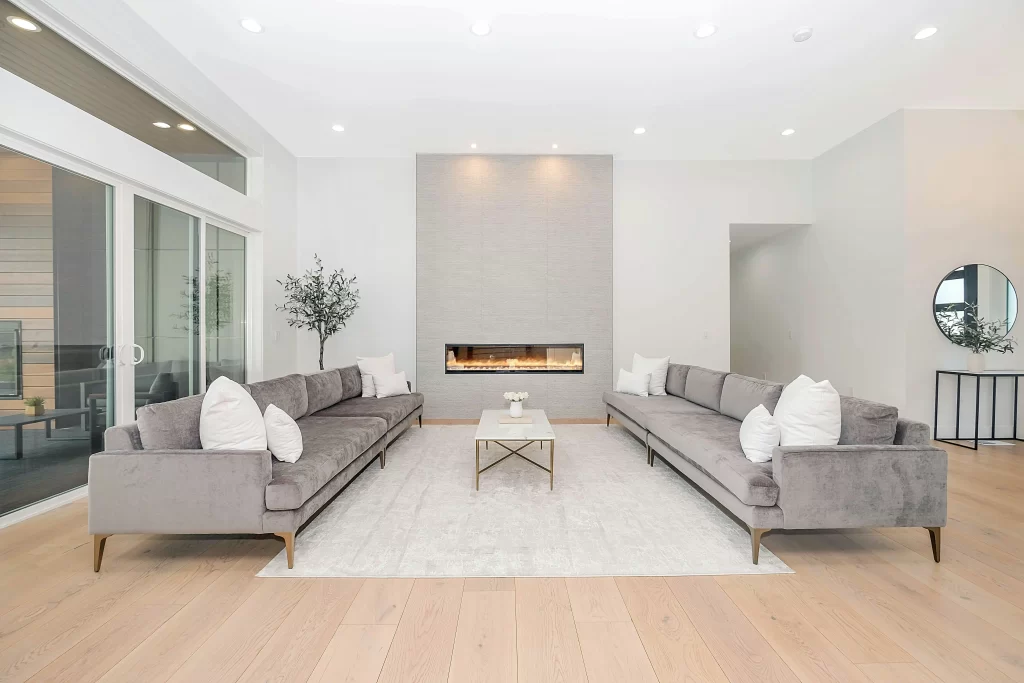
I’ve shared my two cents on this blog plenty of times about how AI is reshaping the game for interior designers and decorators like myself. And it’s not just us—stagers and other industry professionals are feeling the impact too.
Read: The Complete Review of AI Interior Design Tools
The deeper I dive into this topic, the more my thoughts and opinions evolve. So, speaking designer-to-designer, here’s how I see it:
As a designer, you need to establish your expertise in the field. AI image generators can now create stunning renders and provide design concepts in seconds. That means your value proposition has to shift—you must bring more to the table than just visuals. What does that look like? It’s your problem-solving ability, your unique style and personality, and your industry connections that can give projects an edge. These become the true start of your services.
You need to stay ahead of the game and deliver ideas that AI simply can’t. I’ve said this before on the blog, and I’ll say it again: I give AI my ideas—not the other way around. For the average homeowner, AI is an amazing tool to spark inspiration. But for designers, our creativity should lead the process. AI should be used to illustrate our vision, not to replace it.
Now, if you’re running a rendering studio, the challenge is even bigger. AI is cheaper, faster, and often surprisingly good. I know this may sound harsh, but as someone who learned to render the old-school way (hello SketchUp and V-Ray), I can say firsthand that AI has completely disrupted these workflows. Rendering used to be a long, technical process—AI just blew that wide open.
Becoming an AI-First Interior Designer
So where does that leave us? To stay relevant, we need to adapt quickly and embrace what I call being an AI-first interior designer. That means using AI as a powerful tool while making sure it doesn’t overtake your role.
The good news is, people still want to work with human designers. Their expectations may shift as AI becomes more common, but clients still crave the reassurance, expertise, and personalized touch that only a human can provide.
In my own career, now working online as an AI-first interior designer, I’ve found that clients appreciate AI for its efficiency and creative assistance. But at the end of the day, they don’t want tech handling every detail. They want me—the human expert—to guide them through the process.
So yes, there’s still room for us in this industry. And while Nano Banana is impressive, it didn’t blow me away or reign supreme as the best AI interior design tool out there.
nano banana pro is here!
NEW Post Read: The Best Nano Banana Pro Prompts For Interior Designers
Read: I Tested The Best AI Interior Design Phone App
Subscribe to my newsletter to get all the latest news on AI and tech in the interior design industry.
Click Here To Shop My Favourite Home Goods
Let’s design your space together, virtually.