How to Stay Productive While Working from Home
Working from home has become the new norm for many of us, and while it offers flexibility and comfort, it can also come with its challenges. One of the most significant hurdles people face is staying productive and creating an environment that helps maintain focus and creativity. A well-designed home office plays a crucial role in boosting productivity and keeping distractions at bay. Here are some interior design tips to help you stay on top of your game while working from home.
AVOID COSTLY (AND UGLY) DESIGN MISTAKES
Design Tips To Make Your Home Office Inspiring
1. Designate a Dedicated Workspace
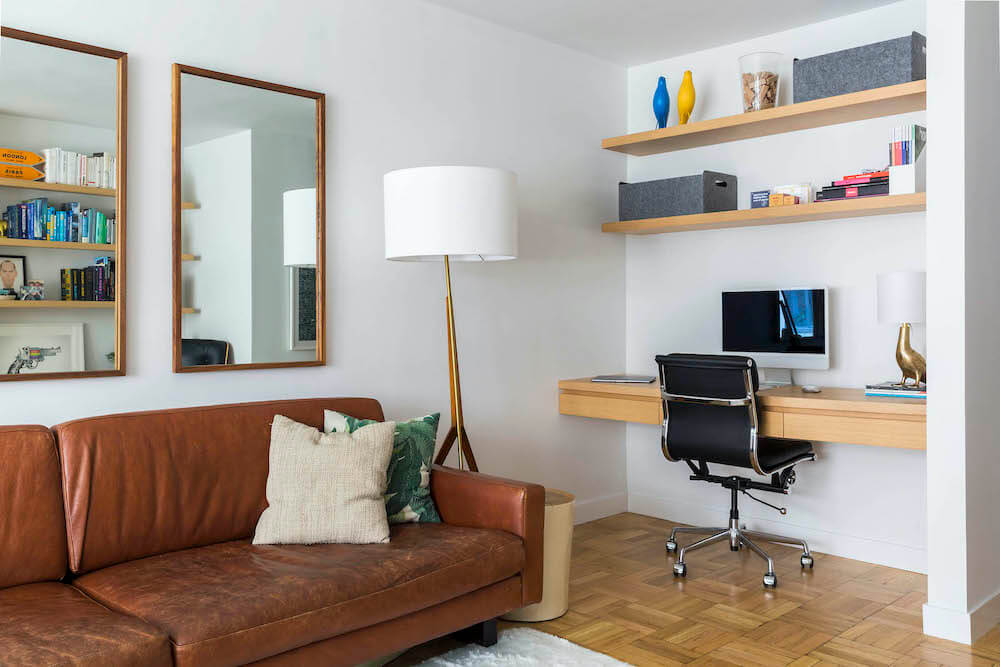
One of the biggest mistakes people make when working from home is failing to create a specific workspace. Whether it’s a separate room or just a designated corner, having a clear boundary between your work and personal life is essential. It signals to your brain that it’s time to work and helps avoid the temptation to relax or engage in non-work activities.
Now, I’ll admit, even I’ve worked from my kitchen a few times. But hey, it’s better than the bedroom, right? Sometimes, a change of scenery can help spark creativity, and it’s okay to switch things up and work from a different spot every now and then. However, in general, it’s important to stick to your dedicated workspace to maintain focus and productivity.
For your workspace, choose a spot with natural light if possible. Research shows that natural light boosts mood and energy levels, which are both key to productivity. If you’re short on space, consider getting creative with compact furniture like wall-mounted desks or fold-out tables. The goal is to carve out a space that’s dedicated solely to work and away from everyday distractions.
2. Invest in Ergonomic Furniture
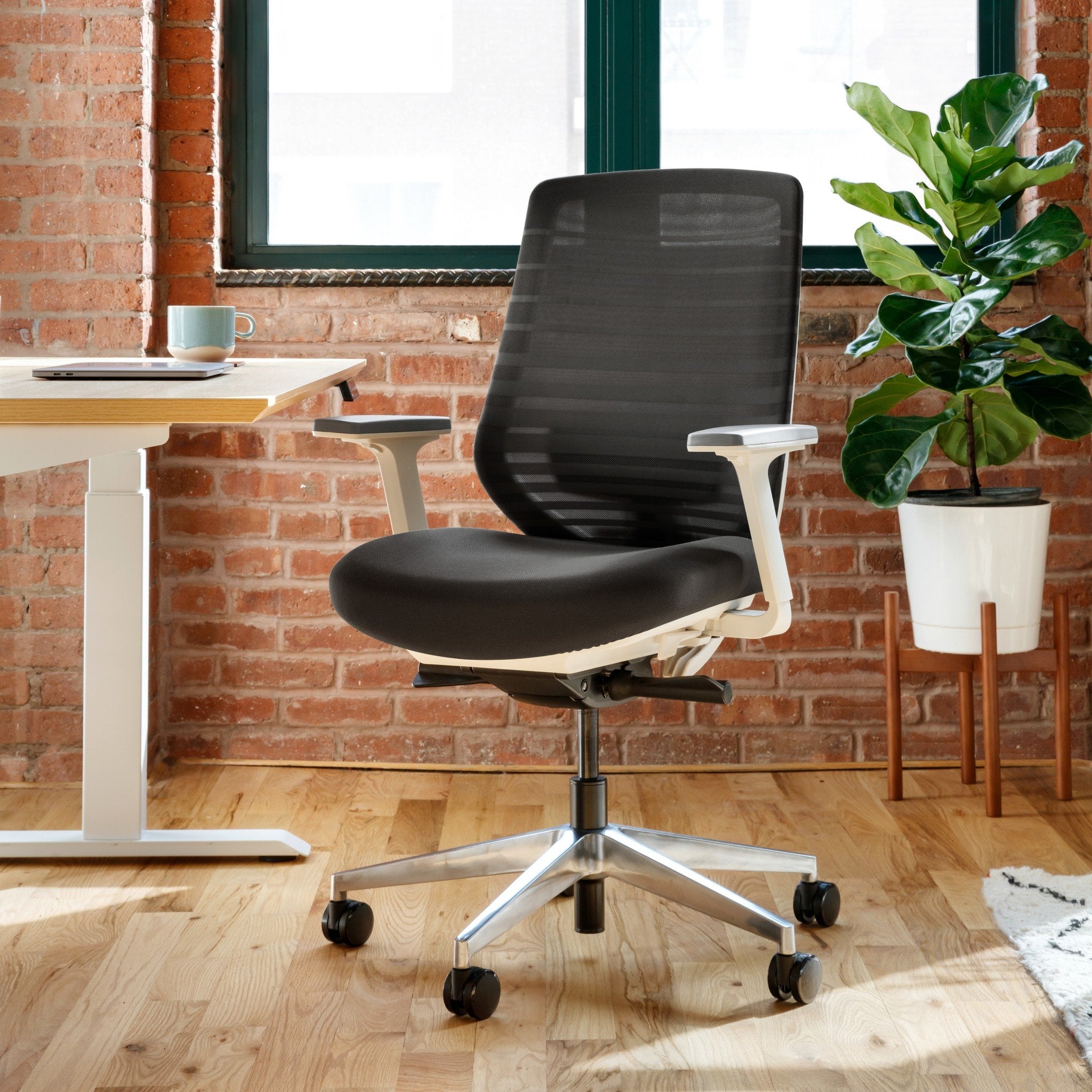
Comfort is paramount when you’re working long hours at home, and ergonomic furniture can make all the difference. A comfortable chair that supports your back and encourages good posture is essential. Look for chairs with adjustable features, lumbar support, and armrests. A desk at the correct height will also make a big difference in avoiding strain on your body. I personally love Herman Miller chairs.
Additionally, consider using a sit-stand desk or a convertible desk converter that allows you to alternate between sitting and standing throughout the day. This can help with posture and prevent fatigue.
Read: The Top 5 Best Sit-Stand Desk Brands
3. Declutter and Keep It Organized

This is KEY!
A cluttered workspace can make it difficult to concentrate and can even cause anxiety or stress. Keeping your home office neat and organized is key to staying productive. Invest in storage solutions like filing cabinets, shelves, or desk organizers to keep everything in its place.
A tidy space can also contribute to a clearer mind. If you’re using your office for multiple functions (e.g., working, meetings, and hobbies), consider adding some organizational dividers or baskets to separate these different zones. This will help you maintain focus on the task at hand and prevent you from getting sidetracked by non-work-related activities.
4. Add Personal Touches, But Keep It Minimal
While it’s important to keep your workspace clean and organized, it’s also essential to add some personal touches to make the space feel inviting. However, be cautious of over-decorating. Too much decoration can make your office feel cluttered and distract from work. I really hate over-decorating.
Instead, choose a few personal items that inspire you, such as a piece of art, a plant, or a framed quote. Plants, in particular, have been shown to reduce stress and improve air quality. The key is to strike a balance between personalization and functionality—keep your workspace comfortable, but not overwhelming.
5. Incorporate Colour to Boost Productivity
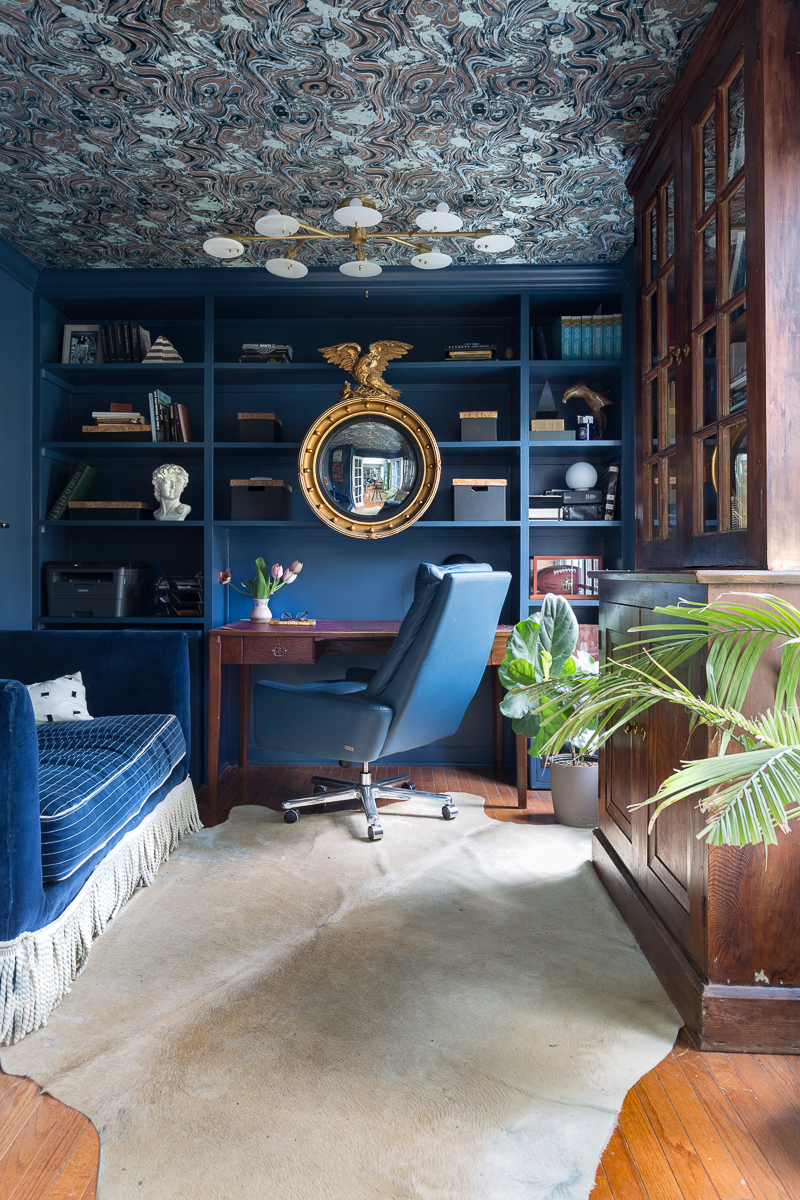
Colours play a significant role in influencing mood and productivity. When designing your home office, consider using colours that promote focus and creativity. For example:
- Blue: Known for its calming effects, blue is a great colour for tasks that require concentration.
- Green: Associated with balance and relaxation, green can help reduce eye strain and promote a sense of well-being.
- Yellow: Often considered the colour of happiness and energy, yellow can stimulate creativity and bring a sense of optimism.
- Gray: A neutral, professional colour that promotes focus but can feel cold if overused. Pair it with warmer accents like wood tones.
Keep in mind that the colour scheme doesn’t have to be overwhelming. Incorporating these colours through smaller accents, such as an accent wall, rugs, or office accessories, can still have a significant impact on your mood and productivity.
6. Create a Minimalist Design for Focus
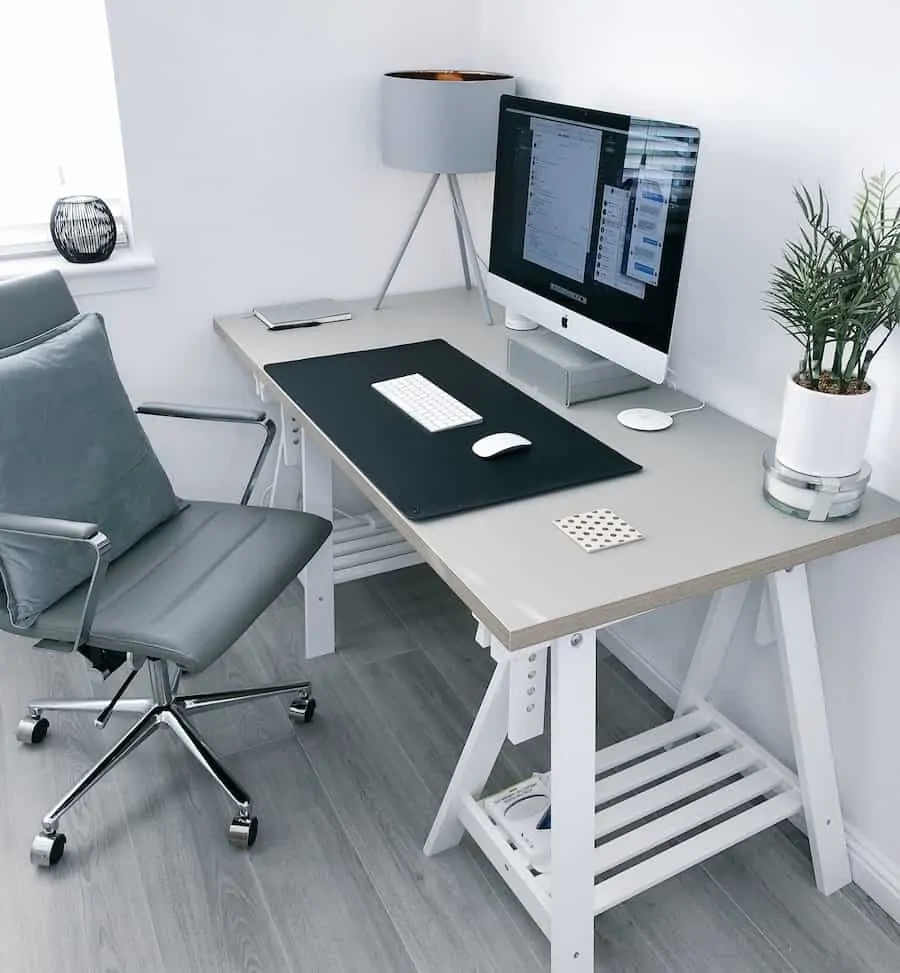
While personal touches are important, a minimalist approach to office design can actually improve focus and productivity. Too many distractions can pull your attention away from the task at hand. Keeping the design simple and uncluttered, with only the essentials, can help you maintain mental clarity.
In a minimalist office, stick to neutral tones with pops of colour. Invest in furniture and décor that is functional but simple, such as a sleek desk, comfortable chair, and task lighting. Avoid overcrowding your space with unnecessary decorations or equipment that could become distractions.
7. Optimize Your Lighting
Good lighting is essential for staying productive. Poor lighting can cause eye strain, fatigue, and headaches, which ultimately reduces your ability to work efficiently.
Natural light should be your first choice, so try to position your desk near a window if possible. If you’re working in a room without much natural light, consider using daylight bulbs or adjustable desk lamps that provide sufficient brightness without causing glare on your screens. Task lighting can help reduce eye strain, especially if you’re working on paperwork or reading.
Make sure to adjust your lighting depending on the time of day to ensure proper visibility. In the evening, a warm-toned light can help you unwind without interfering with your sleep cycle.
8. Incorporate Technology Thoughtfully
Since you’re working from home, your workspace will likely include a variety of tech gadgets, such as computers, phones, printers, and other devices. Instead of having cords scattered everywhere, invest in cable management systems to keep things organized and tidy.
Additionally, try to incorporate technology into your workspace in a way that enhances your productivity. For instance, using a second monitor or setting up an ergonomic keyboard and mouse can make your workday more efficient and comfortable.
9. Create a Separate Break Zone
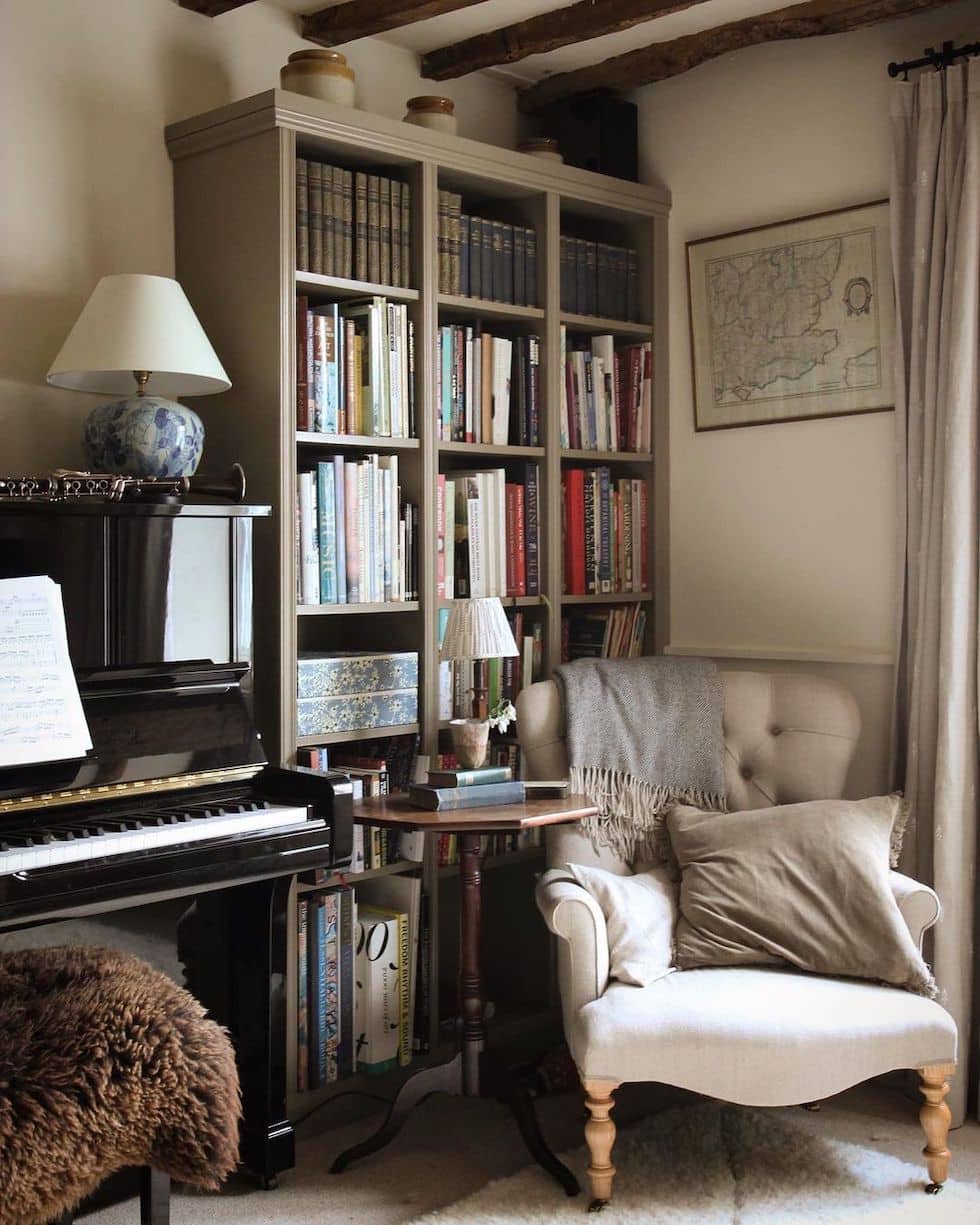
It’s easy to get caught up in work and forget to take breaks, but breaks are crucial for maintaining productivity and mental health. Designate a separate area in your home for relaxation. This could be a cozy chair by a window, a small reading nook, or even a comfortable couch where you can step away from your desk and refresh your mind.
Taking a few minutes each hour to stretch, get some fresh air, or do something enjoyable can improve your focus and energy levels when you return to your workspace.
Good Design is a Mood Booster
A well-designed home office is essential for staying productive while working from home. By creating a space that is comfortable, organized, and tailored to your personal style, you can improve your focus, creativity, and efficiency. Remember, your home office is more than just a place to work—it’s a space that should inspire and motivate you to do your best work. Make thoughtful design choices, and you’ll find that working from home becomes both enjoyable and productive. And remember, when working from home sometimes you need to leave the house!
Click Here To Shop My Favourite Home Goods
Let’s design your space together, virtually.