How Your Home Impacts Your Anxiety Levels: Design For Better Health
Our surroundings play a crucial role in shaping our mental well-being. The way we design and organize our spaces can either foster a sense of calm and security or contribute to stress and anxiety. If you’ve ever walked into a cluttered room and felt overwhelmed, or stepped into a well-lit, cozy space and felt instantly relaxed, you’ve experienced firsthand how interiors impact our mental state. Let’s explore how to create a space that reduces anxiety and avoids common design choices that may induce it.
AVOID COSTLY (AND UGLY) DESIGN MISTAKES
Elements That Reduce Anxiety in Your Space
1. Decluttering & Organization
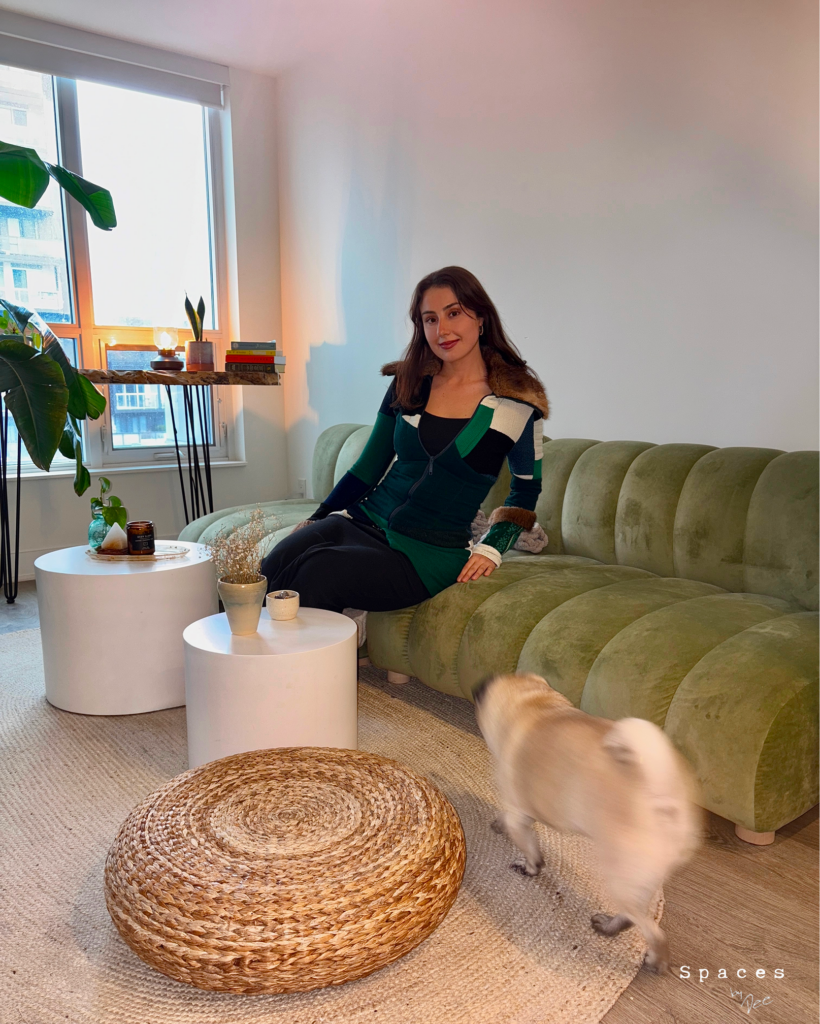
A cluttered environment can lead to mental clutter. Studies suggest that excess visual stimuli can overwhelm the brain, making it harder to focus and increasing stress levels. Implementing simple storage solutions, such as concealed cabinetry, baskets, or floating shelves, can help keep your space organized and visually calming. The “less is more” approach often leads to a more peaceful environment.
2. Calming Colour Palettes
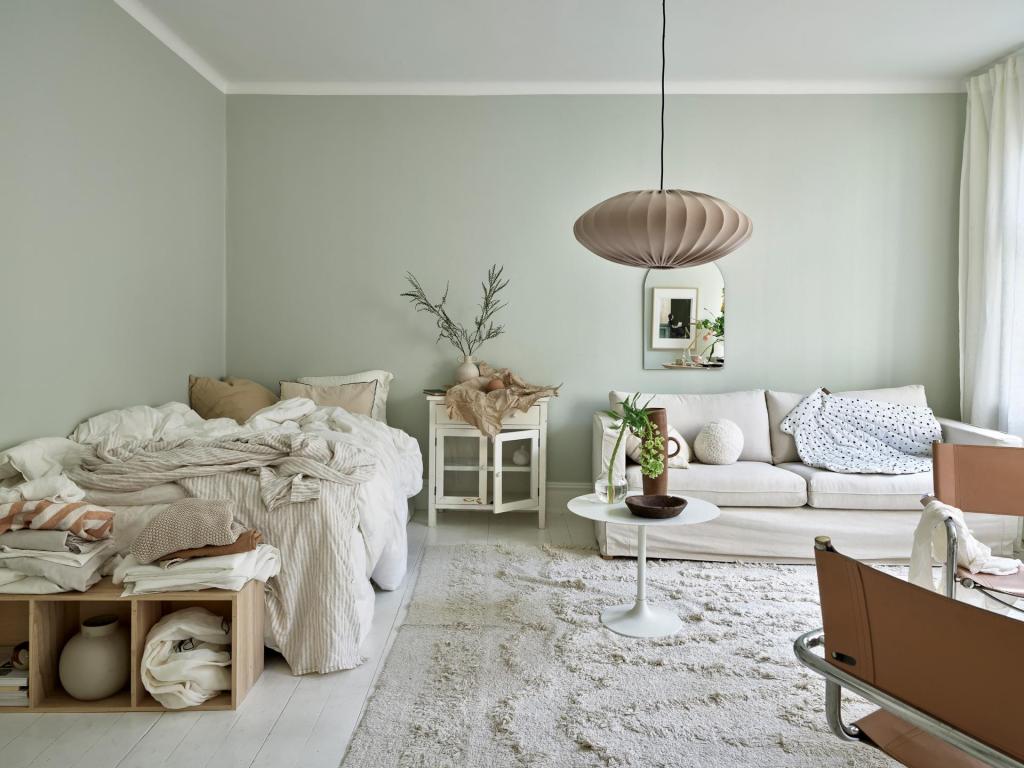
Colours have a profound psychological effect on our emotions. Soft, neutral tones like beige, sage green, and light blues are known to have a calming effect. These shades mimic nature and create a sense of tranquility. Avoid overly bright or clashing colours in areas meant for relaxation, such as bedrooms and living rooms. Instead, use pops of colour sparingly to add warmth without overwhelming the senses.
3. Natural Light & Soft Lighting

Harsh, artificial lighting can increase stress levels, whereas natural light enhances mood and well-being. Make the most of windows by keeping them unobstructed and using sheer curtains to diffuse sunlight. In the evening, opt for soft, warm lighting with dimmable lamps or candles to create a soothing atmosphere.
4. Bringing Nature Indoors
Biophilic design, which incorporates elements of nature, has been shown to reduce anxiety and boost overall well-being. Houseplants, wooden textures, stone elements, and water features can all contribute to a more serene space. Plants such as lavender, aloe vera, and snake plants are particularly beneficial for improving air quality and promoting relaxation.
Read A Simple Guide to Eco-Friendly Interior Design.
5. Comfortable & Inviting Textures
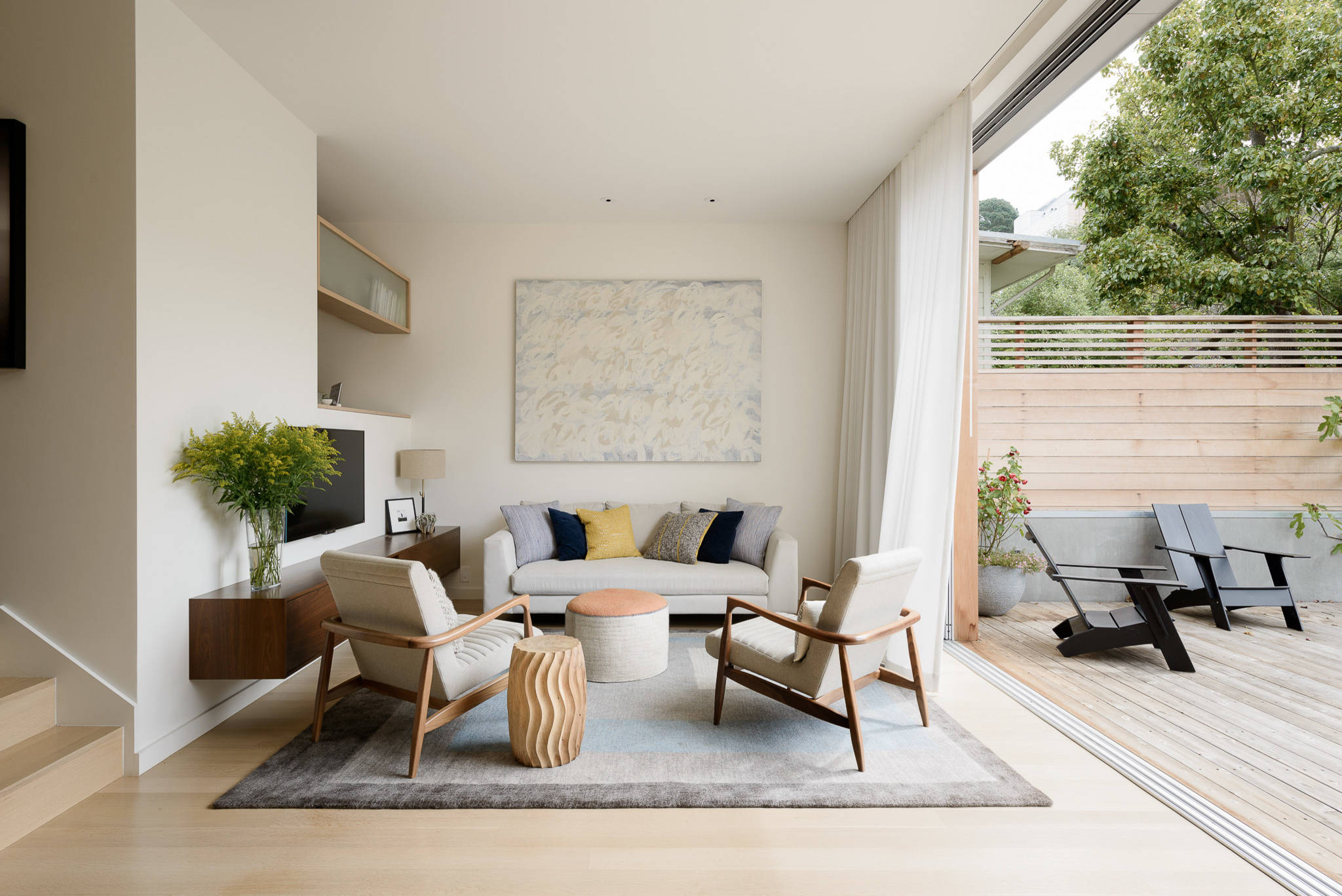
Textures play a huge role in how a space makes us feel. Soft textiles like plush rugs, cozy throws, and linen or cotton fabrics add comfort and warmth. Contrast this with hard surfaces such as metal or glass, which can make a space feel cold and unwelcoming. The goal is to create a balance between structure and softness to enhance feelings of security and relaxation.
6. Intentional Space Planning
The way furniture is arranged impacts how we move through a space and interact with it. Open layouts with clear pathways create a sense of flow, while overcrowded spaces can induce a feeling of entrapment. Prioritize functionality and ease of movement to create a stress-free environment.
Elements That Can Induce Anxiety in a Space
1. Excess Clutter & Disorganization
A messy environment can make it difficult to relax and concentrate. Piles of laundry, stacks of papers, or an overabundance of decorative items can create a chaotic atmosphere that feels overwhelming. Regular tidying and smart storage solutions can help maintain a sense of order.
2. Overly Stimulating Colours & Patterns
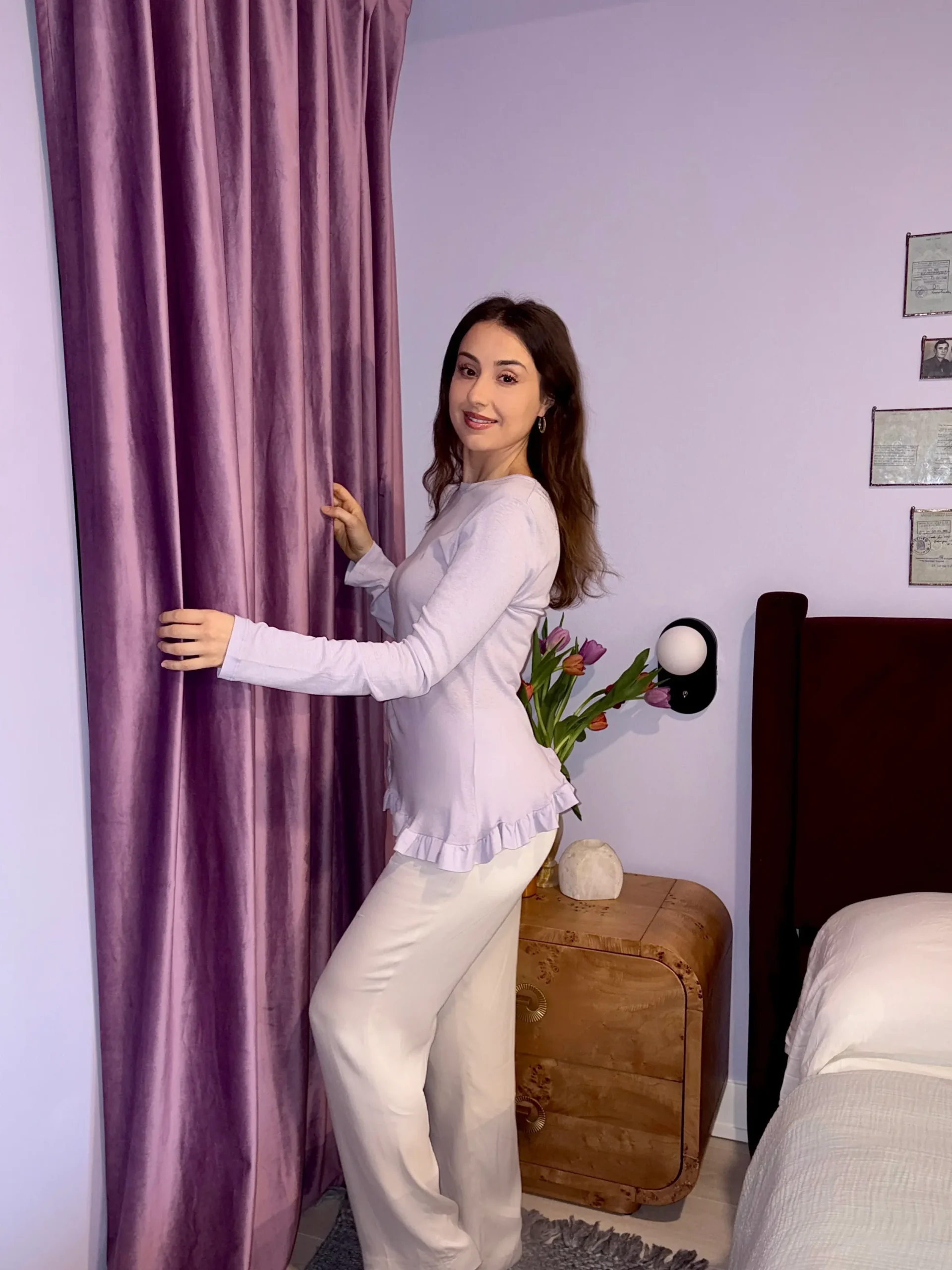
While bold colours and patterns can be exciting, too much visual stimulation can make a space feel hectic rather than harmonious. Rooms with excessive use of red, bright orange, or neon tones may increase feelings of restlessness. If you love bold colours, consider using them as accents rather than main focal points.
Don’t get me wrong – I love bold colours and don’t want to discourage you from using them. Just be wary that too much colour can cause one to be over-stimulated.
3. Poor Lighting & Dark Spaces

Dimly lit or poorly illuminated spaces can make a room feel gloomy and oppressive. Lack of natural light can also affect mood, leading to feelings of lethargy or sadness. Incorporate layered lighting solutions, such as ambient, task, and accent lighting, to ensure a well-balanced, comfortable glow.
4. Uncomfortable Furniture
Furniture that is too rigid, oversized, or not suited to the function of a space can create discomfort and unease. An improperly designed workspace, for example, may lead to poor posture and increased stress. Choosing ergonomic and cozy furniture pieces can enhance relaxation.
5. Lack of Personalization
A space that feels too sterile or impersonal can feel unsettling. Adding personal touches like meaningful artwork, family photos, or travel souvenirs can help create a sense of belonging and comfort. However, striking the right balance is key—too much decor can contribute to visual clutter.
This is a big factor for me. If my home doesn’t feel like me, I won’t feel at ease.
Bad Design = Heightened Anxiety
Your environment has the power to either calm your mind or heighten anxiety. By making intentional choices—such as incorporating natural elements, optimizing lighting, and decluttering—you can transform your home into a sanctuary that promotes well-being. Thoughtful design isn’t just about aesthetics; it’s about how a space makes you feel.
As a designer, I’ve always considered the health implications of interior design. Having experienced it firsthand, I can confidently say that good design is a crucial component of good mental health. Read more about My Story Here.
Click Here To Shop My Favourite Home Goods
Let’s design your space together, virtually.