
How To Sharpen Your Interior Design Eye
Having the Interior Design Eye is more than just being able to arrange furniture or picking out paint colours—it’s about being able to create a space that reflects your personality and meets your needs. Whether you’re an aspiring designer or a homeowner looking to improve your space, developing a keen eye for design can make all the difference. Here are some tips to help you sharpen your interior design skills and create spaces that are both functional and beautiful.
AVOID COSTLY (AND UGLY) DESIGN MISTAKES
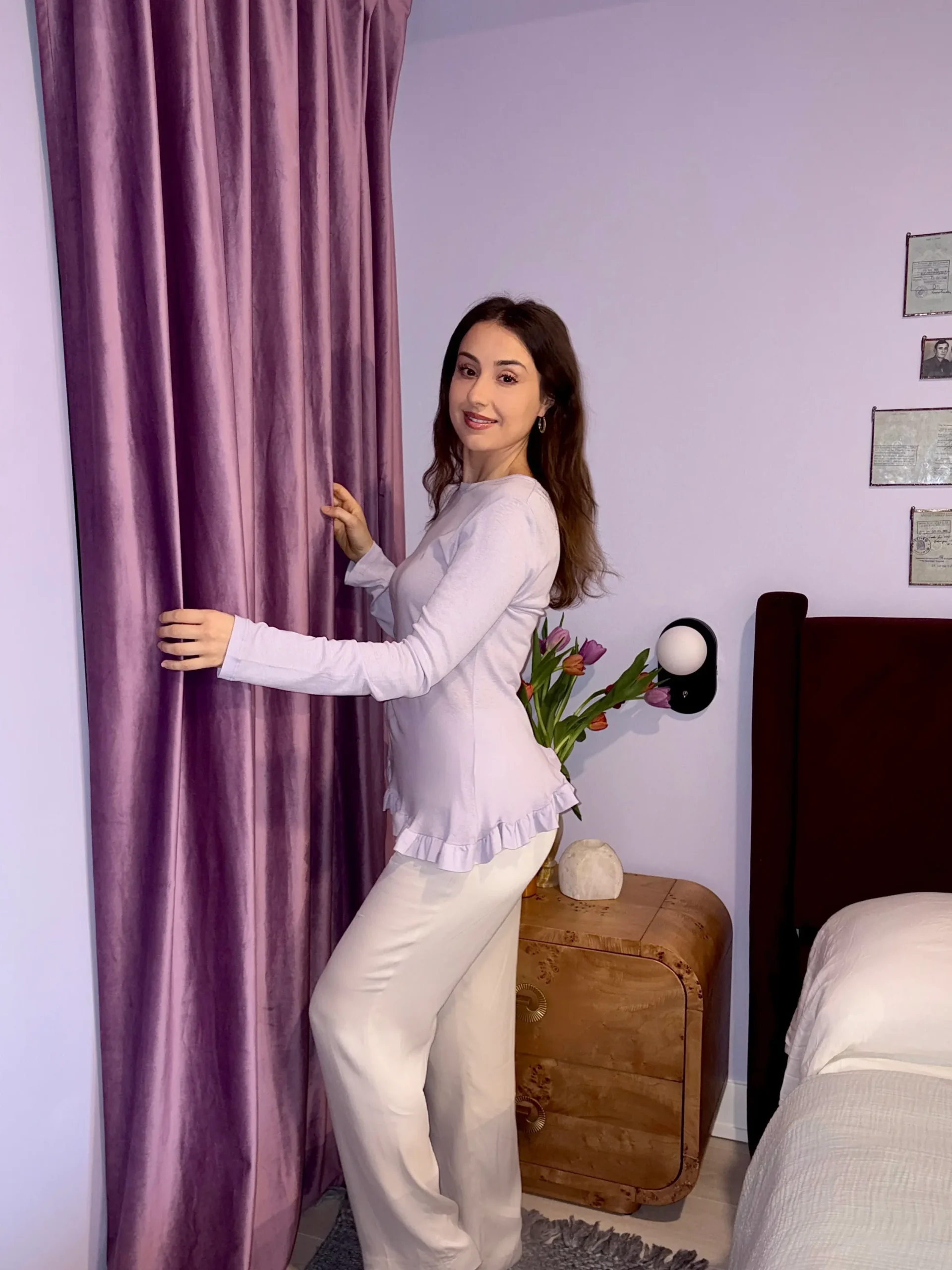
The best compliment my client can give me is that I have the eye. Now what’s the eye, you ask? In my world, the eye means you got the interior design eye. Having the interior design eye means you naturally have great taste. Now, have I always had great taste?
Yes and no.
My interior design style has definitely evolved over the span of my career. When I first started off in the design world, although I had good taste, my taste was not so refined. I gravitated to very modern styles, and stuck to very basic pieces. As I got more comfortable with my style, I’ve taken more risks and have become a better curator. Now, how did I do this? Like they say, practise makes perfect. Well, there is really no perfection in interior design (only in edited photos). So, I will say, practise makes better design.
How anyone can improve their Interior Design Skills
1. Study the Basics of Design
Understanding the fundamental principles of design is essential. Start by familiarizing yourself with the basics such as balance, contrast, harmony, scale, and proportion. These principles are the foundation of good design and can guide you in making decisions about colour, layout, and furniture placement.
- Balance: Aim to create a sense of equilibrium in your space. This can be achieved through symmetrical or asymmetrical arrangements, depending on the vibe you want.
- Contrast: Use contrasting colours, textures, or shapes to add interest and depth to your design.
- Harmony: Ensure that all elements in the room work together to create a cohesive look.
- Scale and Proportion: Consider the size of furniture and decor items in relation to the room and to each other.
How to study these principles, you ask? Well, everyone learns different. My suggestion would be to become very aware of these principles and analyze every room looking for how the space does or doesn’t incorporate these principles.
2. Explore Different Styles
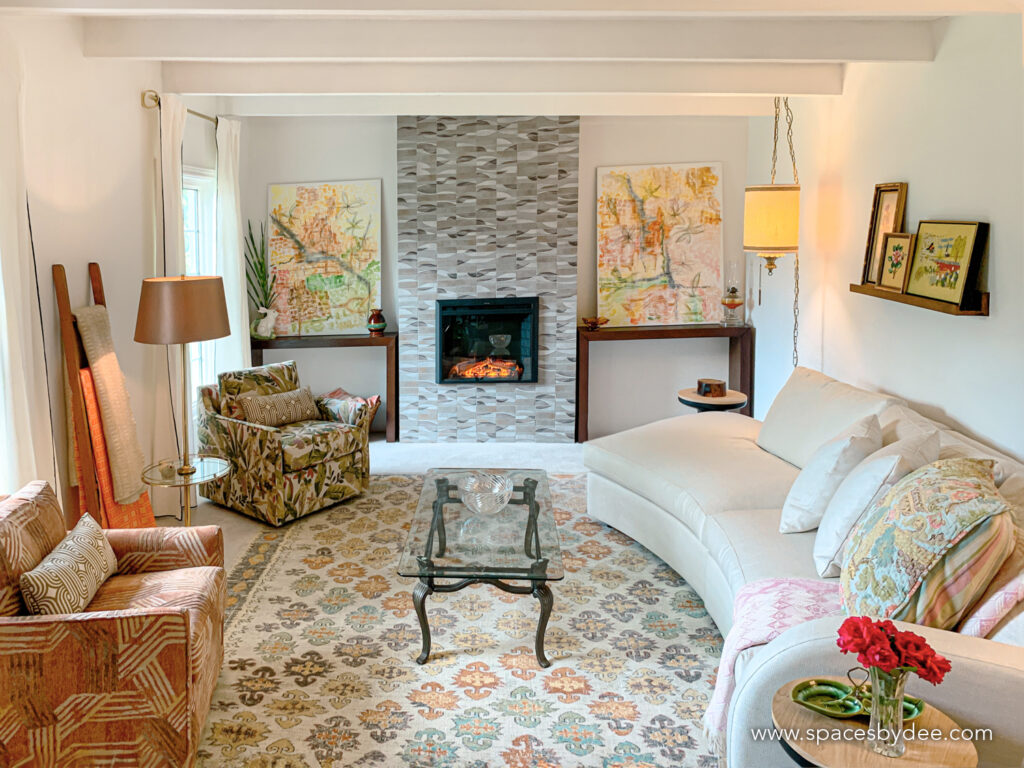
To develop your design eye, it’s important to expose yourself to a variety of styles. Take the time to explore different design aesthetics—such as modern, minimalist, rustic, industrial, and traditional—so you can understand what appeals to you and how these styles can be adapted to your space.
- Visit Showrooms and Design Centres: Explore local showrooms or design centres to see how different styles are implemented in real spaces.
- Browse Design Magazines and Websites: Regularly flip through design magazines or visit online platforms like Pinterest, Instagram, and interior design blogs for inspiration.
- Attend Design Workshops: Consider taking design workshops or online courses to deepen your understanding of various styles.
Read What Is My Home Decor Style?
3. Practice Observation
One of the best ways to improve your design eye is through observation. Pay close attention to the design details in the surrounding spaces, whether it’s a restaurant, a friend’s home, or a hotel. Take note of how colours, textures, and layouts contribute to the overall feel of the space. This is something I am ALWAYS doing.
- Take Photos: Capture design elements that inspire you. Analyze these photos later to identify what worked well and why.
- Create a Mood Board: Use apps or physical boards to compile images, colour swatches, and textures that resonate with you. This will help you visualize how different elements can come together in your own space.
4. Experiment with Colour and Texture
Colour and texture play a crucial role in interior design. Experimenting with these elements can help you develop a more refined sense of what works in a space.
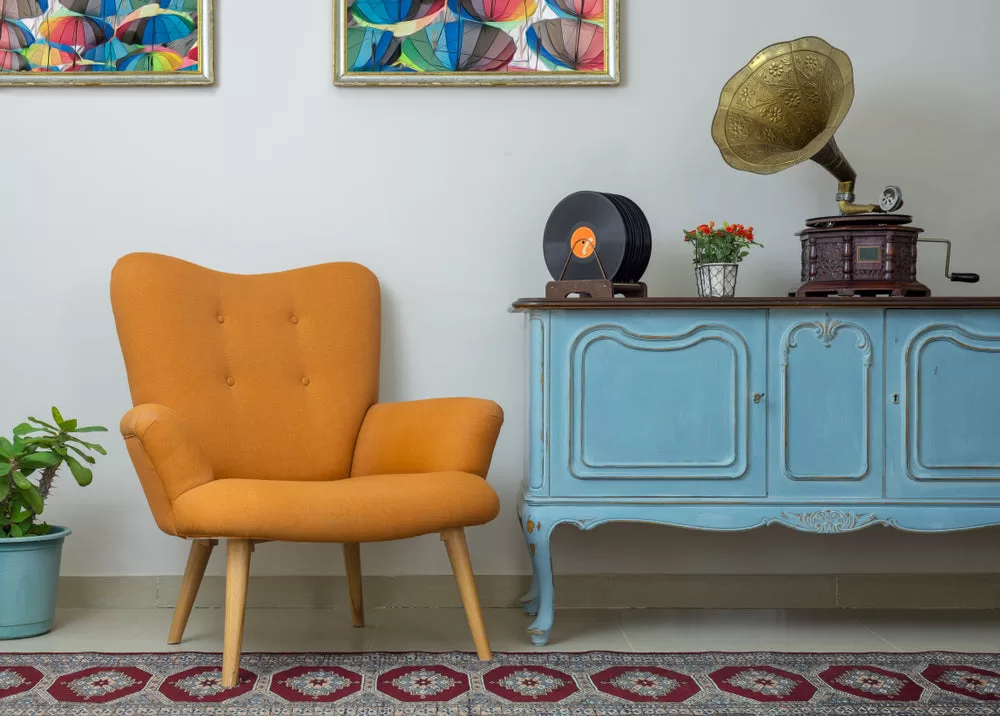
- Start Small: Begin by adding pops of colour through accessories like cushions, rugs, or artwork. Notice how these small changes affect the room’s atmosphere.
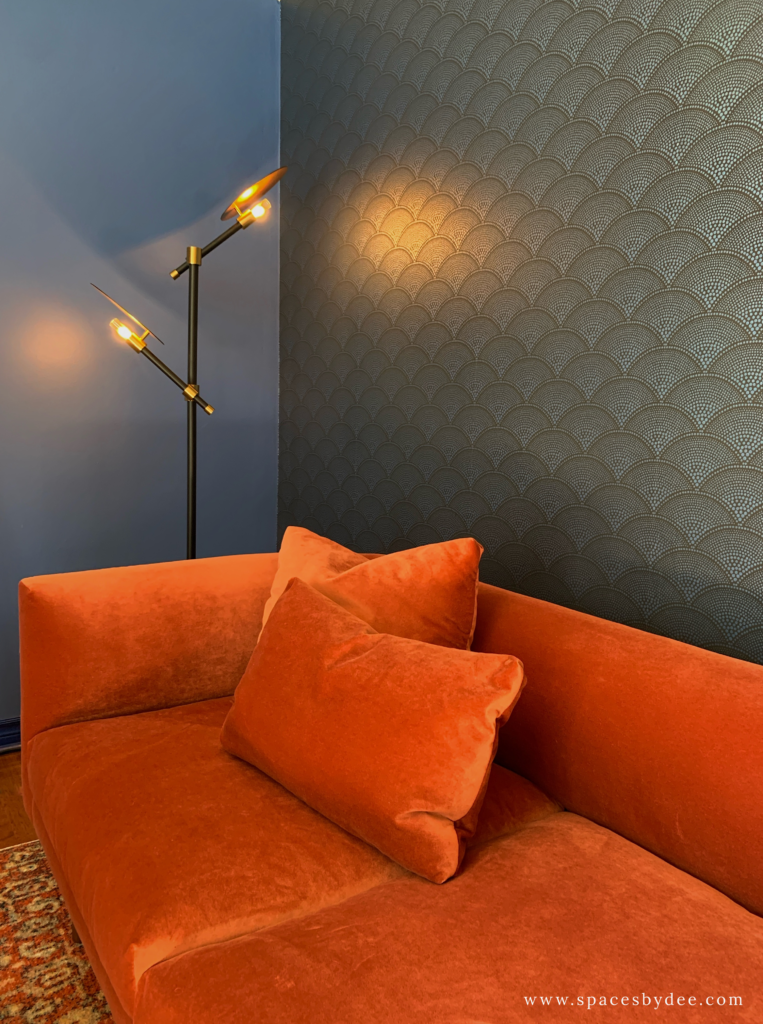
- Mix Textures: Combine different textures—like smooth, rough, shiny, and matte—to create depth and interest. For example, pair a velvet sofa with a rough-hewn wooden coffee table.
5. Learn from Mistakes
Designing a space is a process, and it’s okay to make mistakes along the way. Use any design missteps as learning opportunities. Reflect on what didn’t work and why, and apply those lessons to future projects.
- Trial and Error: Don’t be afraid to rearrange furniture or swap out decor items until you achieve the look you want.
- Seek Feedback: Ask friends or family for their honest opinions on your design choices. Fresh perspectives can help you see things you might have missed.
Even, I, a designer, have made huge mistakes. But that’s another story for another day.
6. Keep Evolving
Interior design trends and personal tastes evolve over time. Stay open to new ideas and be willing to adapt your style as you grow as a designer.
- Stay Updated on Trends: Keep an eye on current design trends, but don’t feel pressured to follow them strictly. Instead, use them as inspiration to enhance your unique style.
- Embrace Change: Don’t be afraid to refresh your space periodically. Swapping out textiles, updating paint colours, or rearranging furniture can breathe new life into a room.
Your Interior Design Eye is a Muscle
The way that I see the interior design eye, is it is a muscle like any other. A muscle that needs to be used and trained in order to work. Sharpening your interior design eye is a continuous journey that involves learning, observing, and experimenting. By understanding the basics of design, exploring different styles, and practising observation, you can develop a keen sense of what works in a space. Remember, the most important aspect of design is creating a space that feels like home to you. Trust your instincts, learn from your experiences, and enjoy the process of transforming your space into something truly special. And if you need more help, I am here, of course.
Click Here To Shop My Favourite Home Goods
Let’s design your space together, virtually.




Your writing style is so engaging and makes even the most mundane topics interesting to read Keep up the fantastic work