Construction AI: How It’s Used In The Construction Industry
Somehow, my blog has become a bit of a hub for all things AI in the interior design AEC world. Honestly, I’m not mad about it. In this post, I’ll be breaking down some of the most talked-about Construction AI platforms on the market right now. We’ll look at which startups are making waves, what these tools actually do, which ones construction teams are using on the job site, and of course, the million-dollar question:
Will Construction Be Replaced By AI?
AVOID COSTLY (AND UGLY) DESIGN MISTAKES

Now, I’m not a tech analyst or a software engineer. But I am a designer and PMP-certified project manager who’s worked with a number of construction groups. I’ve also been immersed in the AI space for a while now, testing tools and seeing how they impact workflows. So, here’s my take, straight from the intersection of construction and emerging tech.
Leading Construction AI Companies and Startups
Let’s dive into a few of the most promising Construction AI platforms currently transforming how we plan, track, and build in the AEC space.
1. Buildots

What it does:
Buildots uses AI and helmet-mounted 360° cameras to track real-time site progress. As workers walk through the site, Buildots automatically maps video footage against the BIM model to flag what’s done, what’s delayed, and what’s off track.
Why it matters:
This tool eliminates the need for manual progress reports and gives project managers a true-to-date view of what’s happening on site. It’s like having a hyper-accurate assistant walking the job site and reporting back with data-driven insights.
Buildots is like your AI project manager, it takes your BIM model and checks real-world progress against it, giving precise data on how much of a project is done and what’s delayed.
2. OpenSpace
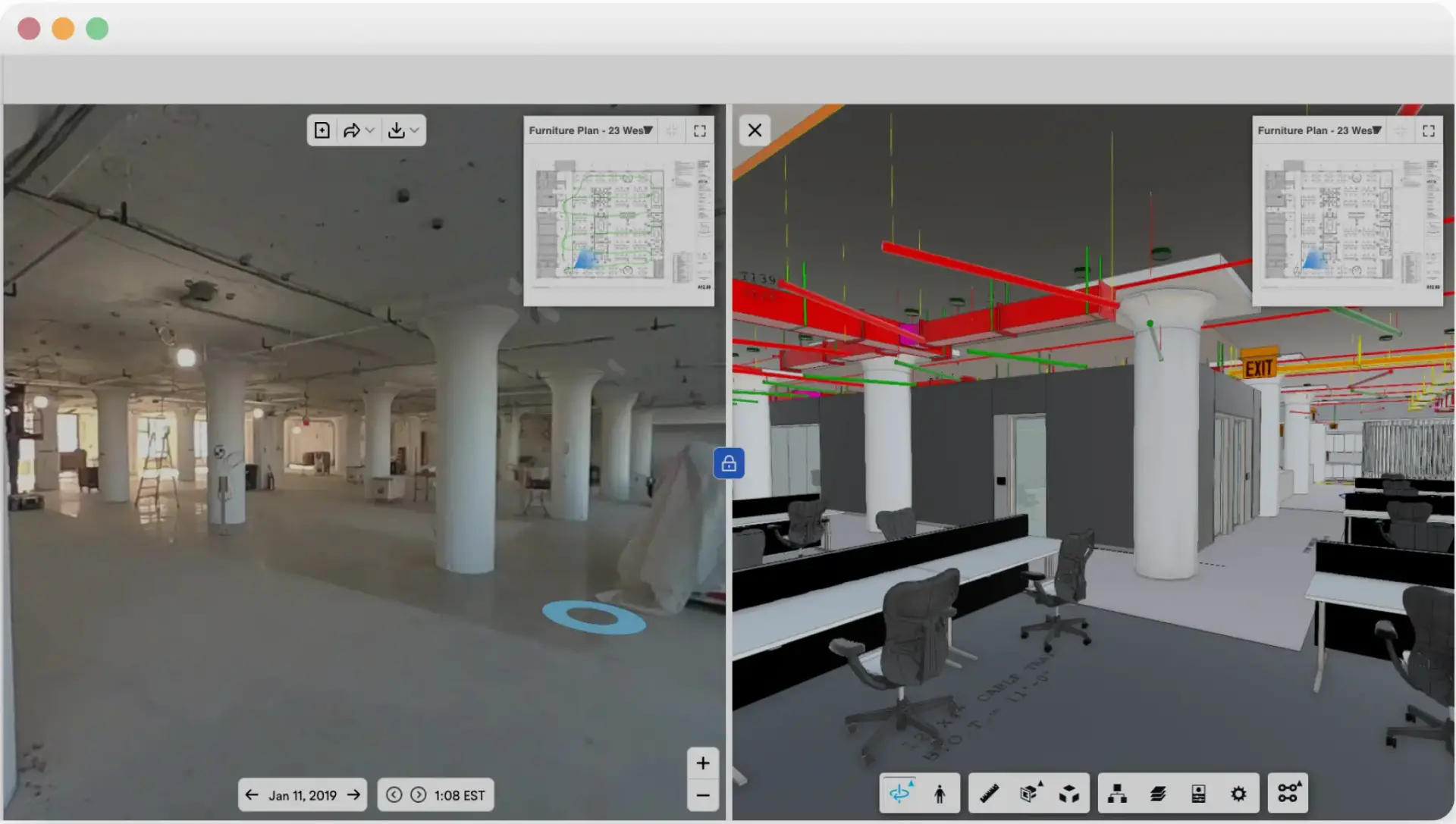
What it does:
OpenSpace also uses 360° photo documentation to capture the state of a construction site, but with a strong focus on ease of use and speed. Just strap on a camera, walk the site, and OpenSpace will stitch everything into a navigable timeline.
Why it matters:
Teams love it for remote walkthroughs, progress tracking, and historical reference. It also integrates seamlessly with tools like Procore and Autodesk, making it a favourite for field teams and project leads.
Read: AutoCAD vs. Rayon: Which Software Is Better For Architectural Drawings?
OpenSpace is like your AI jobsite camera crew, it captures your entire construction site, tags locations intelligently, and gives you a visual history to share, compare, and reference.
3. Disperse

What it does:
Disperse goes beyond visuals by using AI to create a “digital twin” of your construction site, automatically identifying delays, discrepancies, and bottlenecks in the workflow.
Why it matters:
It’s an ideal tool for large-scale or complex builds where tracking every moving piece is nearly impossible manually. Think of it as AI-assisted project coordination—one that flags issues before they snowball.
Disperse acts like a virtual project assistant, helping construction teams stay ahead of problems and make faster, more informed decisions.
4. StructionSite
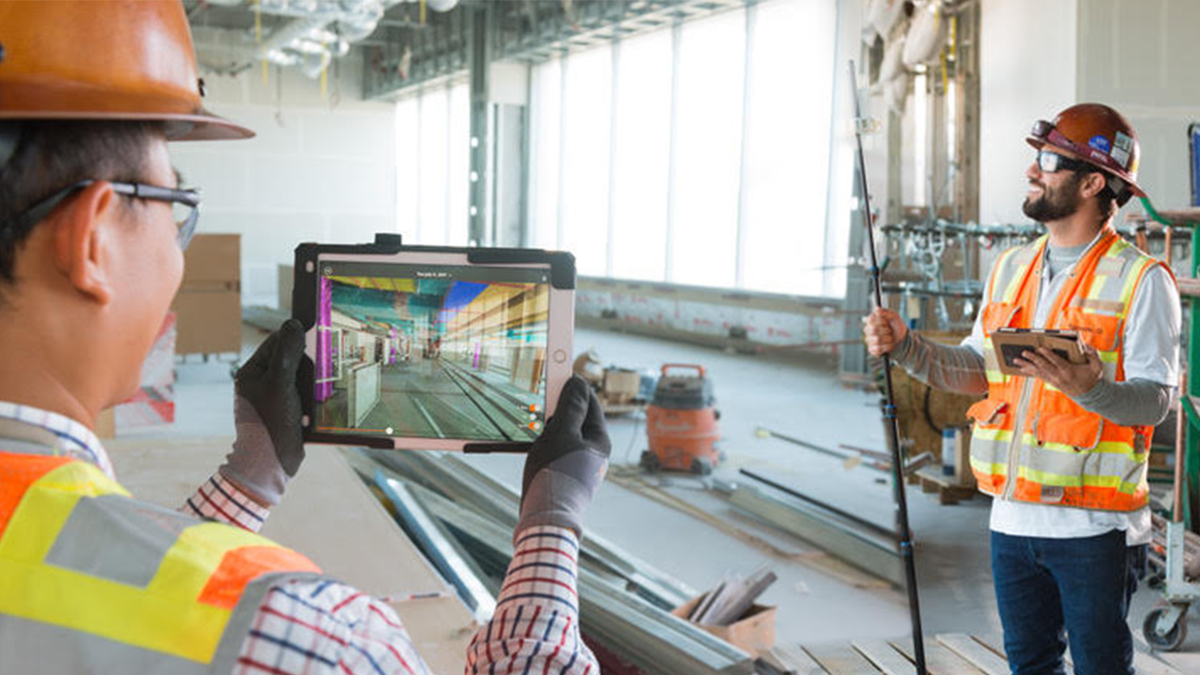
What it does:
StructionSite combines video walkthroughs and stills with your floor plans and BIM models, helping create a detailed project timeline. It automates progress tracking and has strong visual documentation features.
Why it matters:
This platform shines in situations where photographic evidence and precise field reporting are necessary—perfect for client-facing updates or internal accountability.
StructionSite acts as a visual-based project tracking and documentation tool for construction teams. StructionSite acts as a jobsite reality capture and analytics platform, helping construction teams work smarter, communicate better, and stay on schedule.
5. Versatile

What it does:
Versatile takes a different approach. It captures data from cranes (yes, cranes!) using smart sensors to analyze lifting activity, equipment efficiency, and productivity on the job site.
Why it matters:
It’s less about visual capture and more about performance intelligence. The data helps project managers spot inefficiencies and make faster, smarter decisions on how resources are allocated.
Versatile acts as a jobsite productivity coach, providing unbiased, data-driven feedback to help construction teams build faster, safer, and smarter.
Will Construction AI Replace Project Managers?
If you read the descriptions of what all these AIs can do, you might be wondering what I’m wondering… will construction AI replace the need for project managers? It seems like these construction AIs can track progress, monitor risks, and more — faster than any human or even a whole team of humans. On a larger development project, you can expect anywhere from three or more project managers or project management roles. So, would these AIs completely eliminate the need for all these PM roles?
My answer is…not fully. I predict that fewer project managers will be needed, and the role itself will change. I don’t think AI can make project managers completely obsolete because, well, AI can make mistakes too — you can’t rely on it 100%. While AI will definitely make construction jobs run faster and more efficiently, and eliminate many of the routine responsibilities of construction project managers, I don’t think it will totally replace the role. That said, it will certainly impact these professionals and how they work.
AIs Role In Smaller Scale Construction Companies
The AIs I covered are geared towards construction companies handling large projects, think real estate developments, new builds, and similar scale jobs. For smaller construction companies, I don’t see these AIs being used as much. Simply put, it may not be worth the cost or learning curve. However, there are AI tools out there designed specifically to help project managers in construction companies manage their projects more efficiently.
AI Tool For Construction Project Management
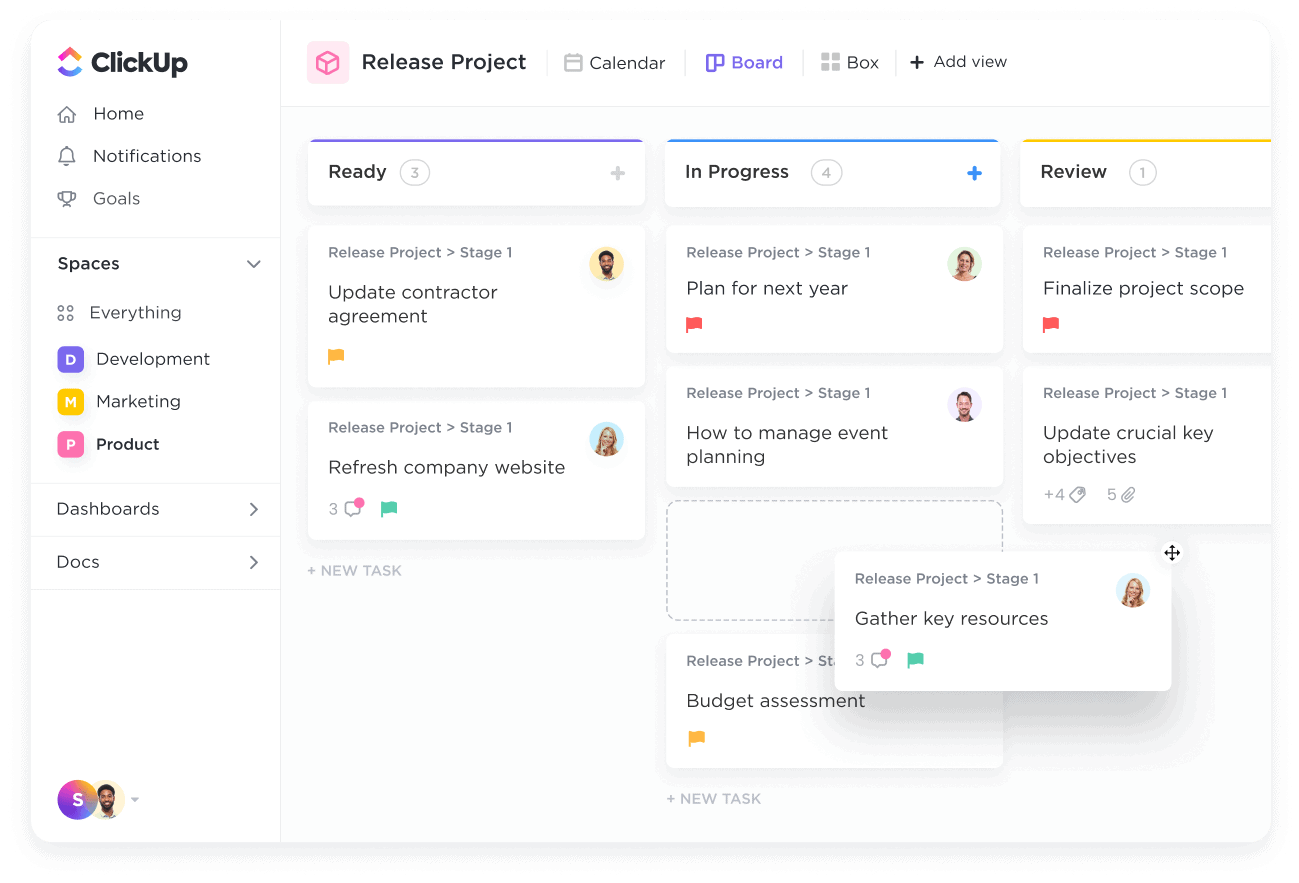
ClickUp is a versatile project management platform that helps construction teams stay organized, on schedule, and connected. From tracking tasks and managing deadlines to collaborating with subcontractors and sharing important documents, ClickUp offers customizable workflows and tools designed to fit the unique demands of construction projects.
While not specifically built for construction, its flexibility makes it a popular choice for managing everything from small renovations to large-scale developments. With features like Gantt charts, real-time collaboration, and centralized communication, ClickUp empowers construction professionals. Improving efficiency, reduce delays, and deliver projects on time.
Looking for more useful AI tools for construction and design?
Read: I Tested The Best AI Interior Design Phone App
Read: The Best and Worst Interior Design AI,A Designer’s Review
Will Construction Be Replaced By AI?

Alright, so here’s the pressing question… will AI replace construction jobs?
Well… I’ll be honest, I think more construction and AEC (Architecture, Engineering, and Construction) jobs are at risk than many people realize. The advancements in this space are further along than most think.
As I mentioned, I do think construction project management jobs are at risk to some degree. But, what about more manual labour?
AI 3D Printing Homes
After doing some research and stumbling across ICON’s 3D-Printed Neighborhood in Texas (read more here), I had a moment of awe and panic. Then I dug deeper and learned about Hadrian X by Fastbrick Robotics, an AI-guided robotic bricklayer that can construct entire homes in just one day. And then there’s Chile’s first 3D-printed concrete home, where a university team used a robot to build the entire structure in only 29 hours. (read more here)
I can’t lie. These developments are very impressive. And yes, I do believe they’ll start to impact construction roles in the not-so-distant future. I wish I could say, “No way, AI can’t do XYZ…” but let’s keep it real.
However, will all homes suddenly become 3D printed? Definitely not. At least, not yet. We’re still very much in the experimental phase. So, hold your horses.
There’s hope, right?
At the end of the day, we’re all wondering what AI means for our jobs, our industries, and honestly—our sanity. Truthfully, we’re living in a bit of a dystopian era. But here’s hoping that humans and AI can work alongside one another, rather than against each other.
Click Here To Shop My Favourite Home Goods
Let’s design your space together, virtually.