Designing Iteratively: The Best Approach to Interior Design
Interior design is an art that thrives on evolution. While traditional methods often follow a linear process—from consultation to final reveal— Designing Iteratively introduces flexibility, collaboration, and refinement to the forefront. As a designer and project manager, I’ve learned a thing or two about the design process and which approaches work best for different projects. Over the years of running my design business, one realization stands out: design is always changing.
AVOID COSTLY (AND UGLY) DESIGN MISTAKES
Evolving needs in Interior Design
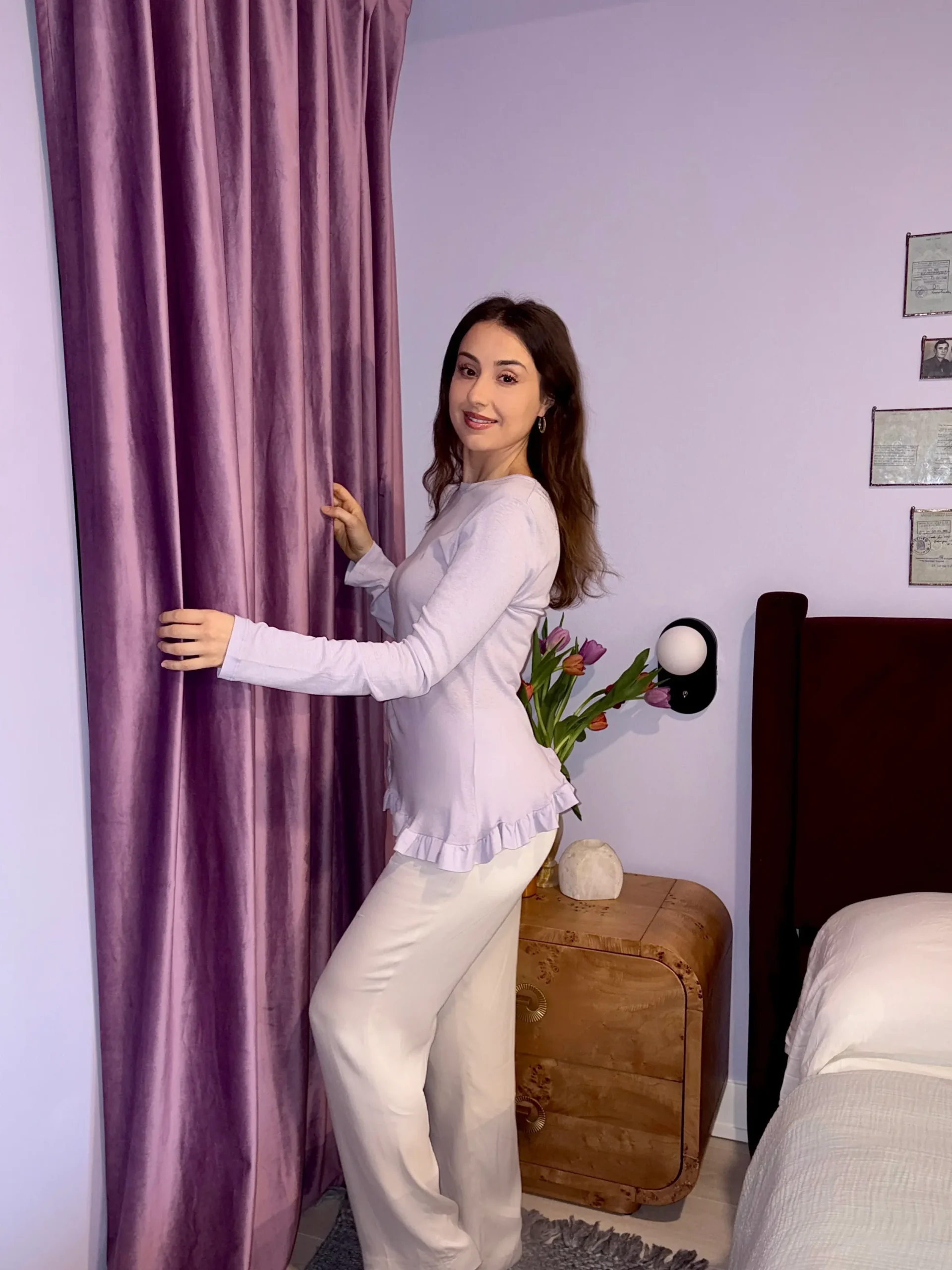
People are always changing. Clients often evolve their tastes and needs during a project, reflecting shifts in their priorities, preferences, or lifestyles. They’re on their own journey of discovery, figuring out what truly resonates with them. As designers, we’re not just creating beautiful spaces; we’re guiding them through this process.
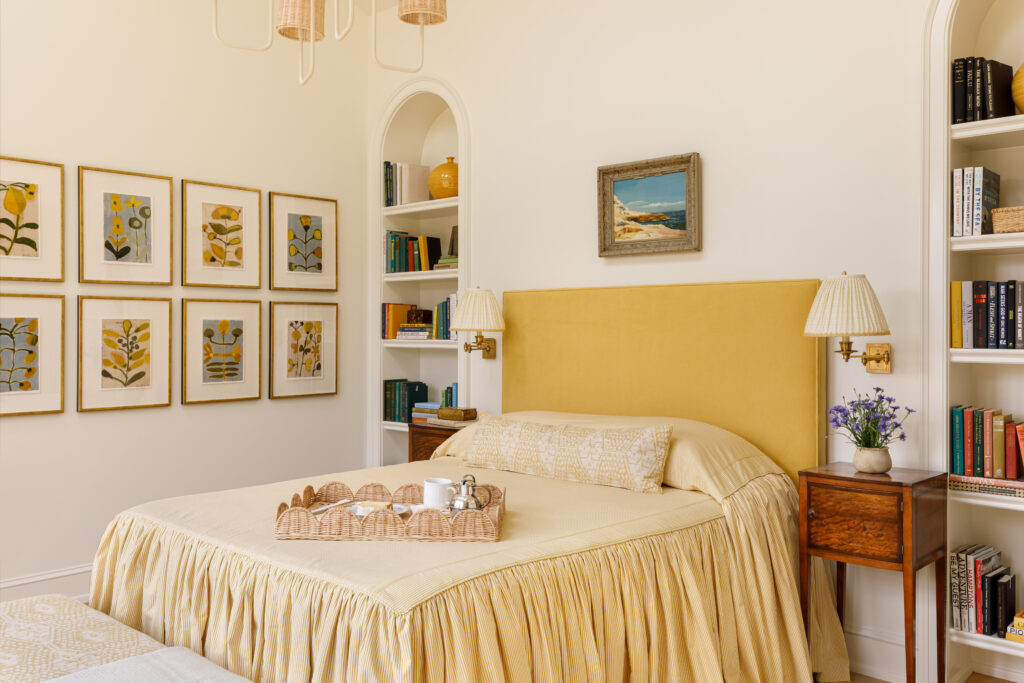
Additionally, the interior design landscape is in constant flux. Trends, styles, and materials evolve rapidly, making it vital to remain adaptable. What’s hot today could feel outdated tomorrow, and balancing timeless design with modern sensibilities requires agility.
This is why staying flexible with an iterative approach to interior design is imperative. It enables us to respond to these inevitable changes—whether they’re from the client’s perspective or the ever-shifting world of design itself—ensuring that the final outcome feels fresh, functional, and deeply personal.
What Does Designing Iteratively Mean?
At its core, iterative design is a process of continual improvement. Instead of sticking to a rigid plan, designers test ideas, gather feedback, and refine the design at multiple stages. It’s about working in cycles—prototype, review, adjust—until the desired outcome is achieved.
An example would be: painting one floor a colour and pausing before painting the other floors, this gives the client/designer the ability to ask: is this paint colour what we were expecting? Do we want to change things up on the other floors? Does this paint colour inspire us to pivot in a new direction?
This approach is widely used in technology and software development, but also translates seamlessly into interior design by embracing collaboration, adaptability, and creativity. Read A Designer’s Review of DesignFiles: The Best Interior Design Software?
The Benefits of Iterative Interior Design
- Enhanced Client Collaboration
An iterative approach allows clients to be more involved throughout the process. Sharing drafts, mood boards, and initial renderings lets clients provide input early, ensuring the final design aligns with their vision. - Minimized Risks
By testing ideas and materials in smaller increments, designers can identify issues early. Whether it’s the placement of a custom piece or the selection of paint colours, making adjustments during the process prevents costly mistakes or regret later on. - Creative Exploration
Iteration allows designers to experiment without committing fully. Designers can present multiple options for layouts, colour schemes, or furniture configurations and narrow them down collaboratively. - Stronger Emotional Connection
Clients often feel more connected to a space when they’ve actively contributed to its evolution. This co-creation fosters a sense of ownership and pride in the design.
The Iterative Process in Action
- Kickoff and Discovery
Find an anchor piece. This means – shopping for something special that inspired the project, this could be a cool wallpaper, a funky chair or a paint colour. I like to call this the jumping-off point of every project. Find some sort of direction. - Prototype and Present
Create an initial layout or design mockup. Tools like DesignFiles are excellent for creating quick 3D visualizations. Share these drafts with clients and gather feedback. - Refine and Adjust
Incorporate client input and tweak the design. Adjust furniture arrangements, swap materials, or test lighting options. This stage may repeat several times. - Finalize the Design
Once the iterations meet both client expectations and design standards, finalize the selections. - Implementation and Review
During installation, monitor the progress and stay open to last-minute adjustments. After project completion, gather client feedback to assess success and refine your own processes for future projects.
Decorate using the Freestyle Method
The way I choose to decorate my almost-ready spaces is by freestyling. This means, I collect an abundance of accessories; multiple throw blankets, cushions, table accessories etc. I bring it all to site and I see what works. This way, I can test multiple options and the client can get a say as well. It’s a really fun and smart way of decorating.
How to use Interior Design AI when Designing Iteratively
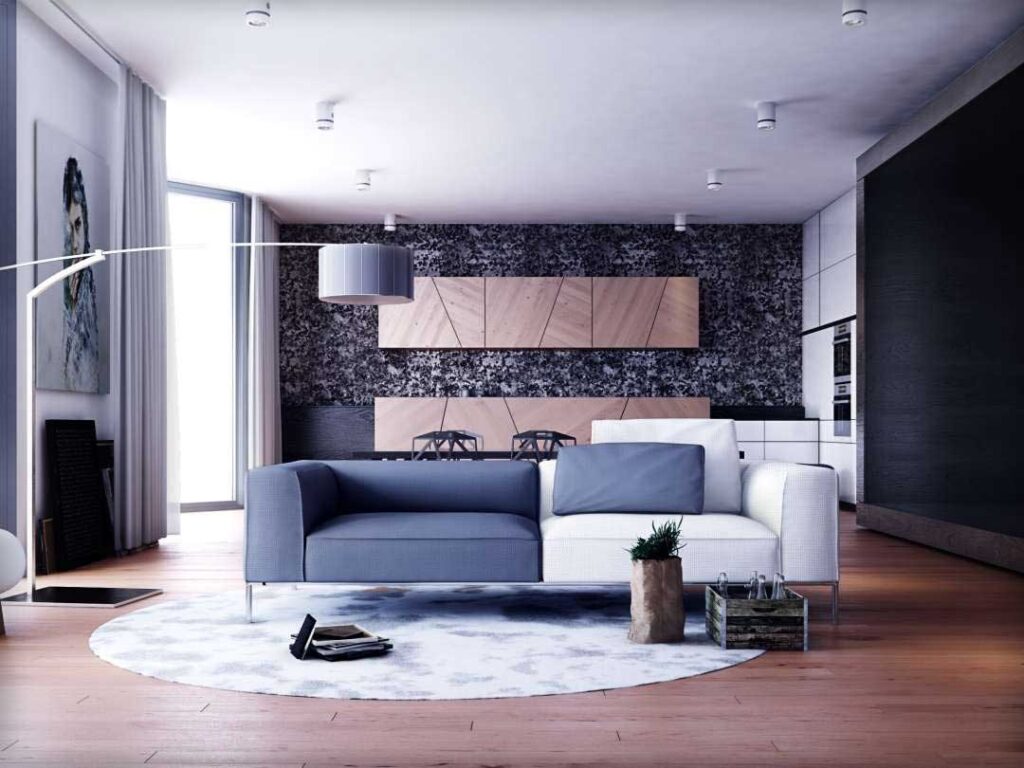
One of the key advantages of using AI in design is its ability to quickly generate and visualize multiple ideas within minutes. This capability enables designers and their clients to explore a wide range of possibilities early in the process, helping establish a clear direction before committing to a specific concept.
For designers, this means fewer hours spent on initial drafts, mood boards, or 3D renders. For clients, it offers an engaging way to see their ideas brought to life instantly, making collaboration more dynamic and effective.
However, a major challenge in traditional design workflows is the investment of time and effort into detailed plans and renders. Once designers and clients have spent significant time developing a scheme, there’s a natural hesitation to pivot away from the initial ideas, even if they no longer feel quite right. AI mitigates this by allowing experimentation early and often, without the cost or emotional attachment tied to time-intensive processes.
Read I Tried the Best 3D Room Visualizer AI, Here is my Review.
Go With The Flow Of Design & Designing Iteratively
Interior design is rarely a one-and-done process. By embracing the iterative approach, you create room for collaboration, creativity, and continuous improvement. Adopting iterative design isn’t just a shift in method—it’s a commitment to excellence, adaptability, and client satisfaction. Start small, stay flexible, and watch your projects transform into masterpieces!
Click Here To Shop My Favourite Home Goods
Let’s design your space together, virtually.