How Kitchen Design Impacts Your Workflow and Life
The kitchen is often called the heart of the home, but its design can make or break your culinary efforts. A functional kitchen doesn’t just look good—it works efficiently, enhancing your ability to cook, clean, and organize. Whether you’re a professional chef or a home cook, an optimized kitchen setup can inspire creativity, save time, and reduce stress.
AVOID COSTLY (AND UGLY) DESIGN MISTAKES

If you didn’t know, I started my design career in the kitchen and bath industry, so I’ve had the privilege of designing countless spaces and learning what makes a kitchen truly functional. As a passionate home cook and baker, I also feel the real-life impacts of good (and not-so-good) kitchen design daily.
For nearly three years, I’ve been living in a small condo in Downtown Toronto with a classic downtown kitchen: small, minimal storage, and not the most ergonomic layout. And, honestly? It’s starting to take a toll. My love for cooking and baking—the things that bring me so much joy—has slowly been fading. It’s frustrating, and it makes sense. Cooking and baking become less enjoyable when your kitchen feels more like a challenge than a haven.
This experience has given me a deeper appreciation for the importance of a well-designed kitchen and how the layout, storage, and flow of a space can profoundly affect your cooking experience. Let’s dive a little deeper into what makes a kitchen functional, and why it matters.
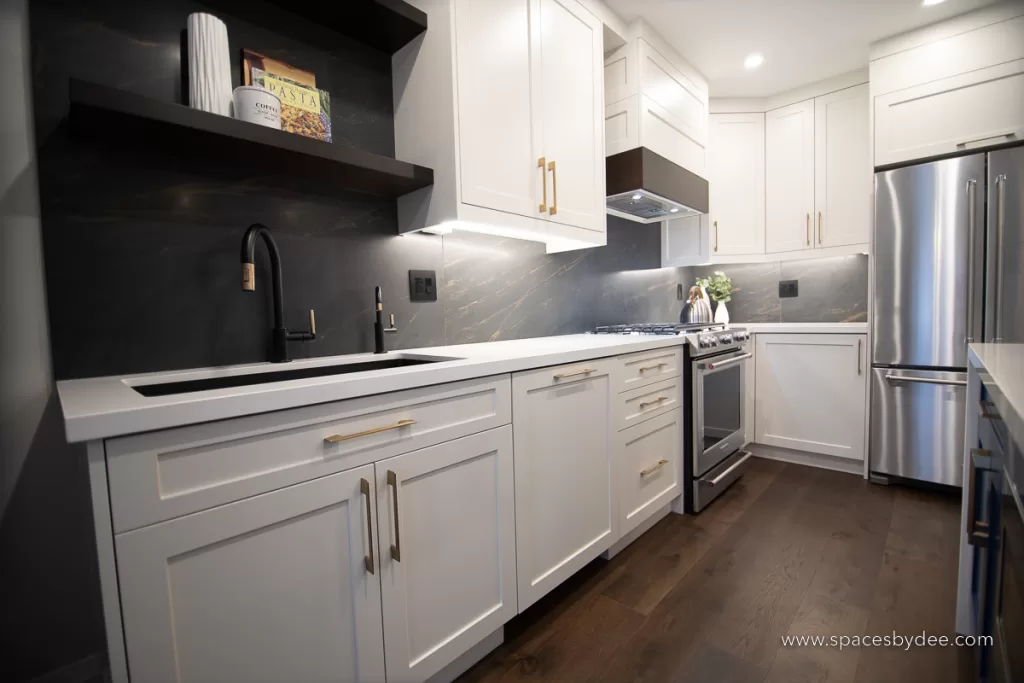
The Role of a Functional Kitchen in Cooking
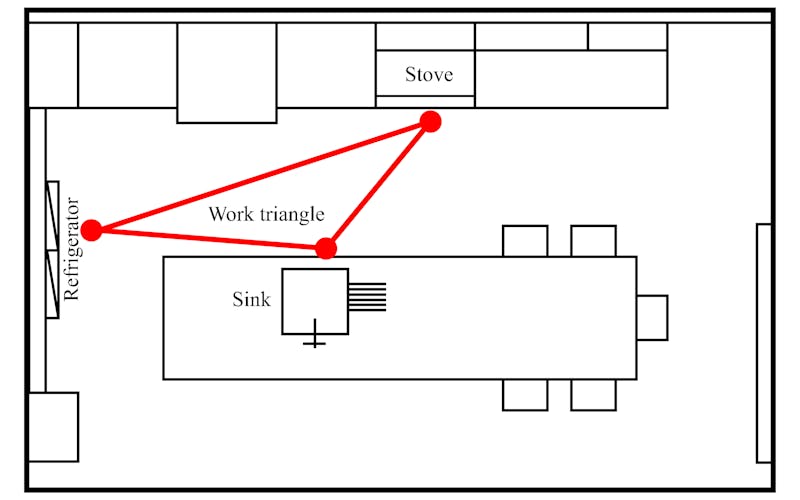
- Streamlined Workflow with the Work Triangle
The classic kitchen work triangle—linking the stove, sink, and refrigerator—is key to efficiency. When these elements are properly positioned, it minimizes movement, allowing you to focus on cooking rather than navigating obstacles. For example, having the fridge close to your prep area means you can grab ingredients quickly without breaking your rhythm. - Ergonomic Layout for Comfort
Cooking involves repetitive tasks like chopping, stirring, and plating. A functional kitchen places tools and surfaces at optimal heights, reducing strain on your back and arms. Adjustable shelving and pull-out organizers make accessing heavy pots or pantry items easier. - Ample Counter Space for Prep Work
Sufficient counter space is a game-changer for any cook. It provides room for slicing, mixing, and assembling ingredients without feeling cramped. Multifunctional additions like cutting board inserts over sinks or pull-out countertops can expand your prep area when needed. - Organized Storage for Easy Access
A well-organized kitchen keeps essentials at your fingertips. Pull-out drawers, labeled containers, and utensil dividers ensure you can locate tools and ingredients quickly. Open shelving can add style while displaying frequently used items like spices and oils. - Proper Lighting for Precision
Good lighting enhances both safety and efficiency. Task lighting under cabinets or pendants over the island ensures you can see clearly while chopping or reading recipes. Ambient lighting adds warmth, making the kitchen a more inviting space to work. - High-Quality Appliances for Consistency
Functional appliances can elevate your cooking results. A reliable oven ensures even baking, while an induction cooktop provides precise heat control. Smart appliances, like refrigerators with built-in grocery lists or ovens with preset cooking modes, can simplify meal prep further. - Hygiene and Clean-Up Efficiency
A well-thought-out kitchen design also considers clean-up. Easy-to-clean surfaces, double sinks, and strategically placed trash and recycling bins can save time and energy after cooking.
Practical Tips to Make Your Kitchen More Functional
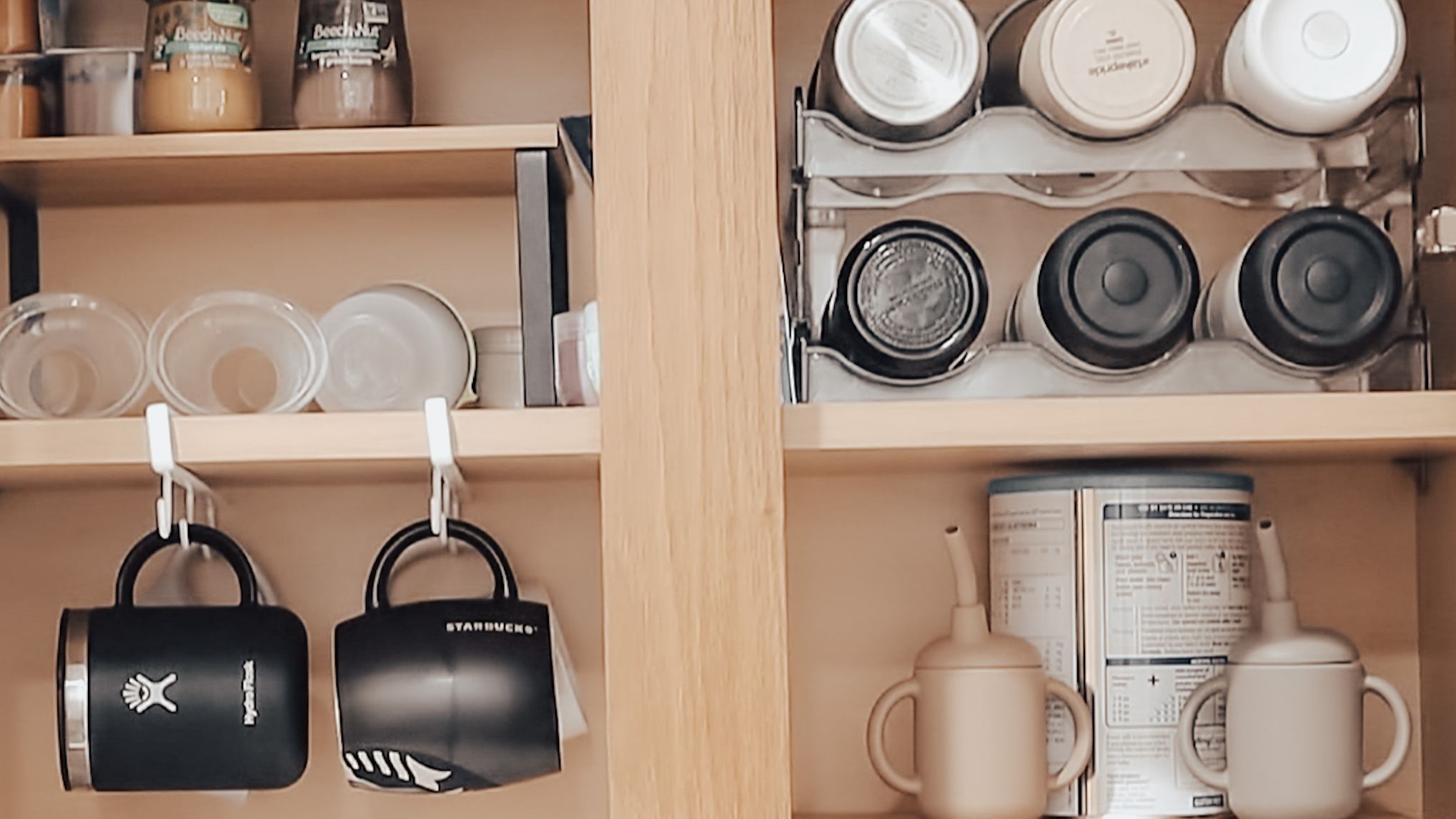
- Declutter and Organize: Clear countertops of non-essential items and keep tools grouped by function. Seriously, when you are tight on kitchen space, decluttering makes a HUGE difference. You simply cannot keep unnecessary items around. Read Declutter your Mind by Decluttering your Home.
- Use Zones: Divide your kitchen into zones for prep, cooking, storage, and clean-up.
- Invest in Versatile Tools: Tools like immersion blenders or multi-functional appliances can save space and add convenience.
- Add Mobile Elements: A kitchen cart or movable island can add flexibility and extra storage.
- Incorporate Technology: Smart speakers can set timers, play music, or provide recipe instructions while you cook.
Kitchen Elements to Consider for Functionality
1. Pull-Out Pantry Shelves

Maximize storage with pull-out shelves that allow you to easily access every item in your pantry. These are particularly helpful in compact kitchens, making every inch of space functional.
2. Hidden Appliance Garages
:max_bytes(150000):strip_icc()/Design-by-Julie-Rose-for-Velinda-Hellen-Design_Styled-by-Emily-Bowser_Photo-by-Sara-Ligorria-Tramp_16-b97e61077a1f47af944fbdc682c6ba18.jpg)
Keep your countertops clutter-free with appliance garages. These concealed compartments store everyday items like blenders, toasters, and coffee machines, ensuring your workspace stays clean and streamlined.
3. Smart Storage Solutions
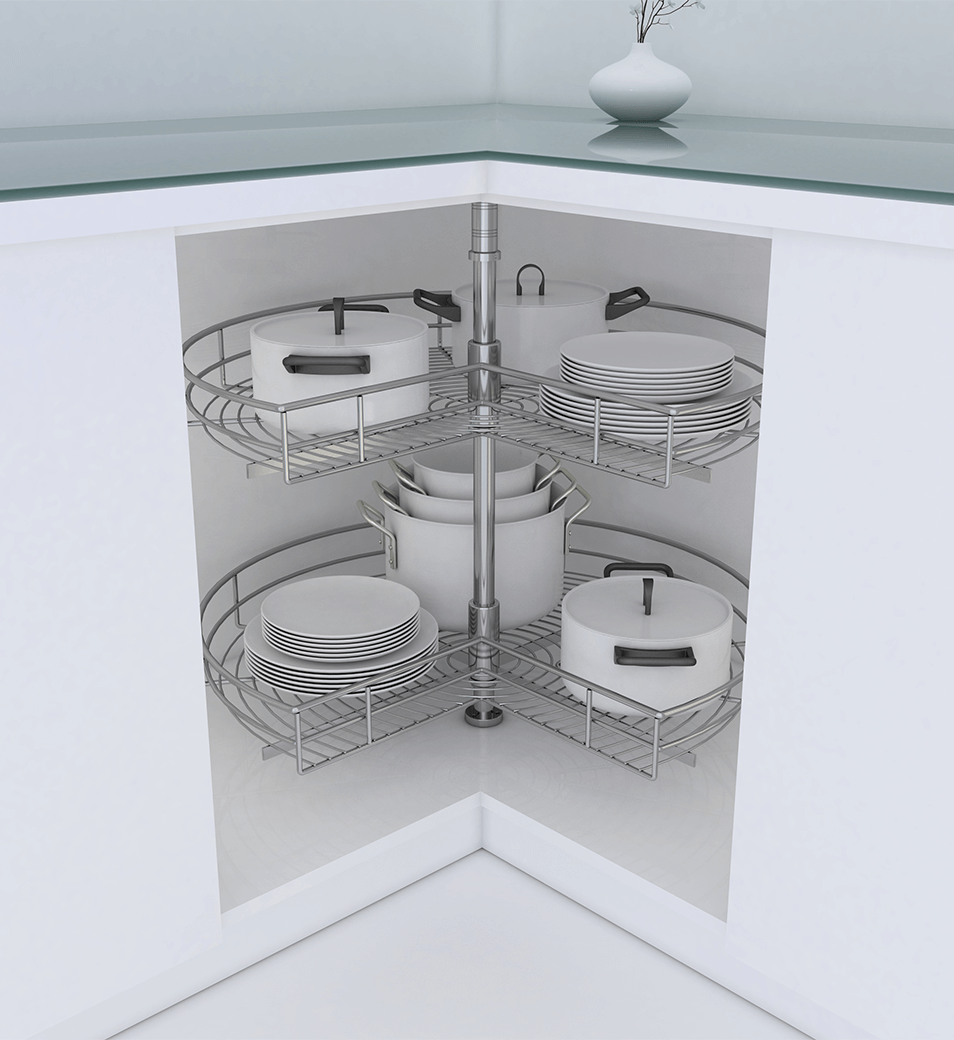
Incorporate corner carousels, deep drawer organizers, and vertical dividers for pots, pans, and lids. These help eliminate frustration and ensure everything has its place.
4. Integrated Charging Stations
Add convenience with built-in charging drawers or countertop outlets that keep devices charged without adding clutter to your workspace.
5. Dual-Purpose Kitchen Islands
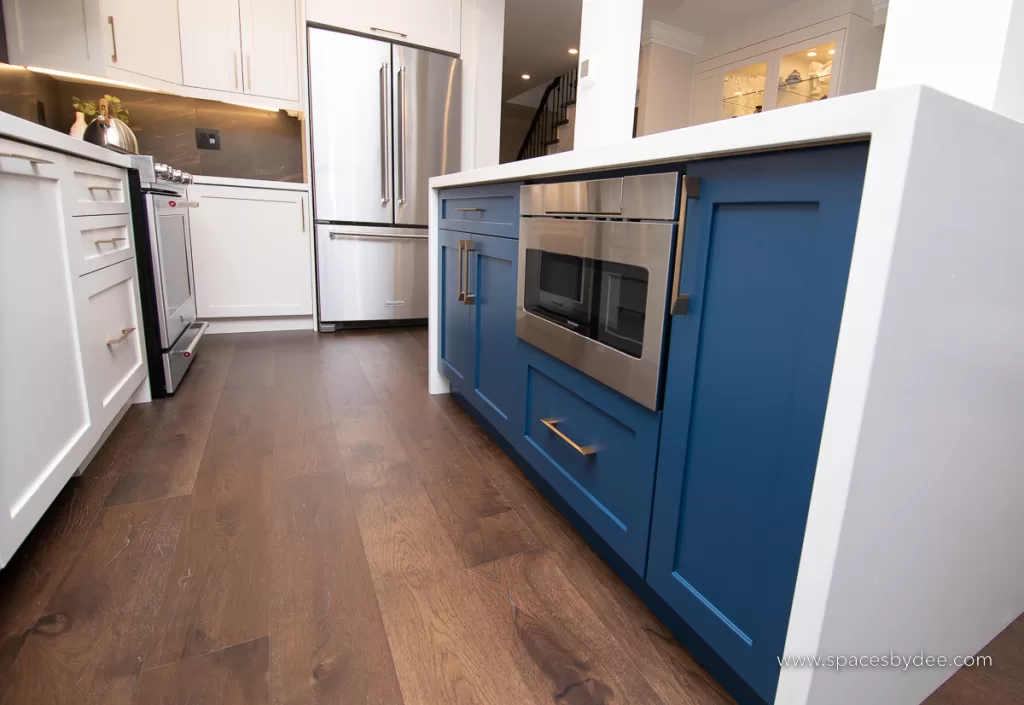
A well-designed island can double as prep space, dining area, and storage hub. Consider adding built-in wine coolers, pull-out trash bins, built-in microwaves or even a small sink for added functionality.
6. Integrated Garbage Chutes

Built-in garbage chute streamline cleanup and make meal prep much smoother. Plus, it looks better than stand-alone garbage.
The Payoff of a Functional Kitchen
Cooking becomes a joy rather than a chore in a functional kitchen. If you’re struggling to find the passion for cooking and baking – maybe your kitchen is the problem. And, I am not telling you that you have to move, although, maybe for some that would be the best option. I am encouraging you to make your kitchen as functional as possible. If you’re not much of a cook, maybe you will find investing in other areas of your home more worthwhile. However, this post is meant for all the wanna-be Top Chefs, like me.
Click Here To Shop My Favourite Home Goods
Let’s design your space together, virtually.