What AI Gets Right (and Wrong) About Interior Design
We’re still in the AI bubble. A time when many people believe AI can do just about anything, including interior design.
AI-powered design tools have exploded in popularity, with people using platforms like Planner 5D and ChatGPT to design their homes.
As both an interior designer and someone who gets paid to review AI interior design tools, I have a unique perspective on where these tools excel—and where they fall short. In this article, I’ll share what I believe AI is great for, where it can genuinely add value to the design process, and where you should be cautious about relying on it.
AVOID COSTLY (AND UGLY) DESIGN MISTAKES
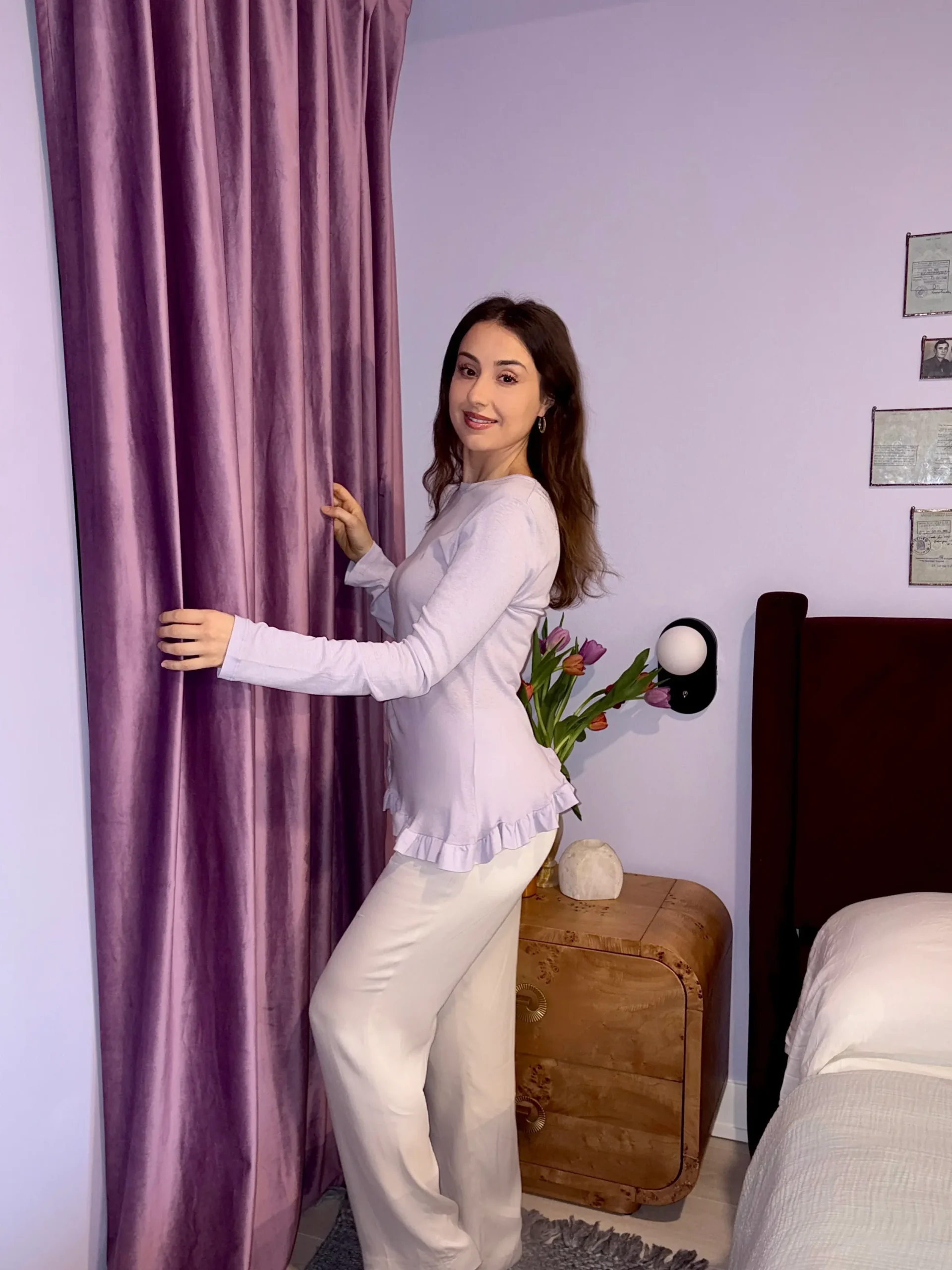
AI Has Changed the Design Process
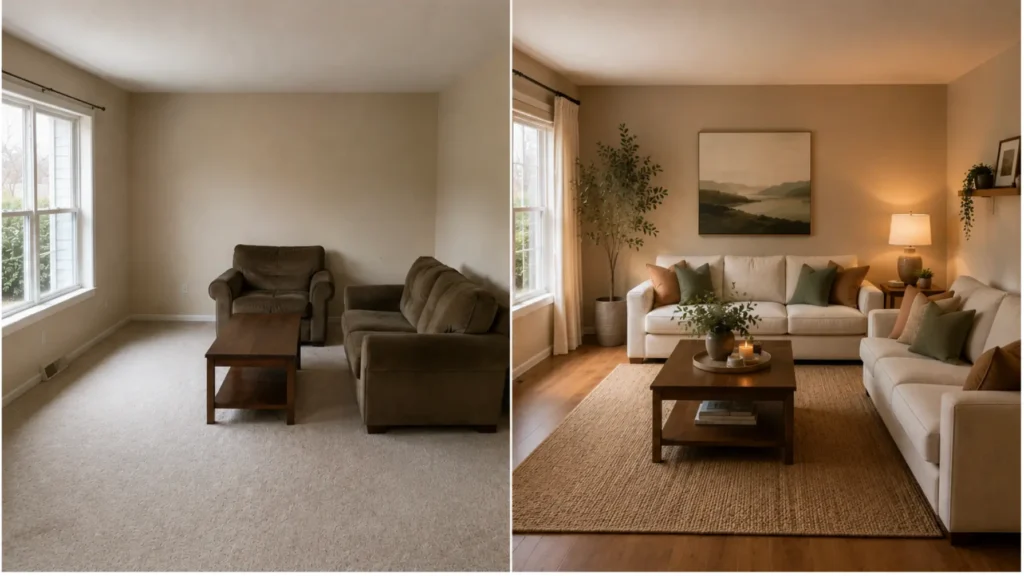
Many of my clients now come to me with AI-generated inspiration and visuals.
Instead of arriving with Pinterest boards or magazine clippings, clients are now doing their own research using AI. One client came to me with an entire design brief developed using Claude. He had used it to create a colour palette, define the overall design intent, and draw inspiration from different design eras to shape the direction of his home. It was actually a great jumping-off point and gave me valuable insight into his taste and style before we even began designing.
Other clients take it a step further. They’ll use AI to fully design their space, generating floor plans, mood boards, and even photorealistic renders before sending everything to me for review.
When AI Replaces a Designer…

Then there are the people who skip hiring a designer altogether and rely entirely on AI to design their homes.
Recently, I moved into a new building and got to know one of my neighbours. We had both downsized into small apartments, so naturally, we started talking about the challenges of making compact spaces work.
When I mentioned that I’m an interior designer, she excitedly told me she had used ChatGPT to design her entire apartment.
I couldn’t resist asking if I could see it.
I viewed her space, and honestly, the space wasn’t well designed.
The layout didn’t maximize the limited square footage and instead made the apartment feel cramped and uncomfortable—something she admitted to herself. Furniture proportions were off, circulation was awkward, and the layout simply wasn’t making the best use of the space.
Then she came into my apartment.
Despite being even smaller than hers, she stopped and asked,
“How does your condo feel so much bigger than mine?”
Where AI Interior Design Tools Get It Right
So, when should you actually use AI in the context of interior design?
While I don’t think AI can replace a designer, I do think it can be an incredibly useful tool when it’s used for the right reasons. Here are the areas where I think AI genuinely adds value.
1. AI for Generating Ideas
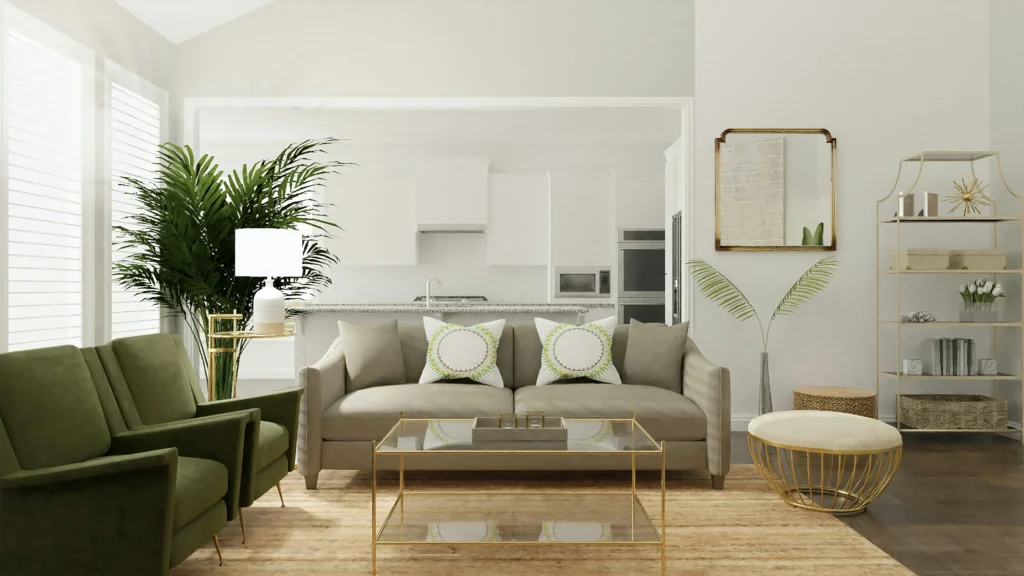
One of the best uses for AI is generating ideas at the beginning of a design project.
Maybe you’re struggling to choose a colour palette that feels right. Or perhaps you don’t know which interior design style best suits your taste or your home. This is where tools like ChatGPT, Claude, and other AI design platforms can be incredibly helpful.
Rather than giving you the final answer, AI can help point you in the right direction. It can suggest design styles, recommend colour palettes, explain why certain materials work together, and even help you define the overall design intent for your space.
Think of AI as a brainstorming partner—not the designer.
2. AI for Basic Space Planning
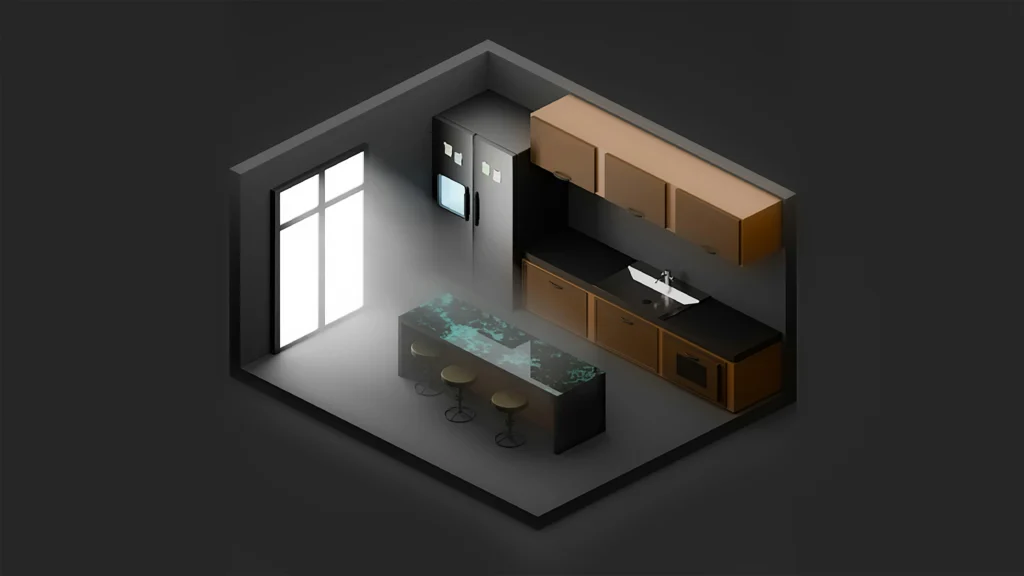
Another great use for AI is creating basic floor plans and testing different furniture layouts.
One of the biggest mistakes I see homeowners make is buying furniture before they’ve planned their space. This often results in pieces that are too large, too small, or simply don’t work together once everything is in the room.
Tools like Planner 5D allow you to build your room to scale and experiment with different layouts before spending thousands of dollars on furniture.
This helps you understand whether everything will fit, whether you’ll have enough circulation space, and whether your furniture is appropriately sized for the room. While these tools aren’t perfect, they’re a significant improvement over guessing.
3. AI for Visualizing Your Design
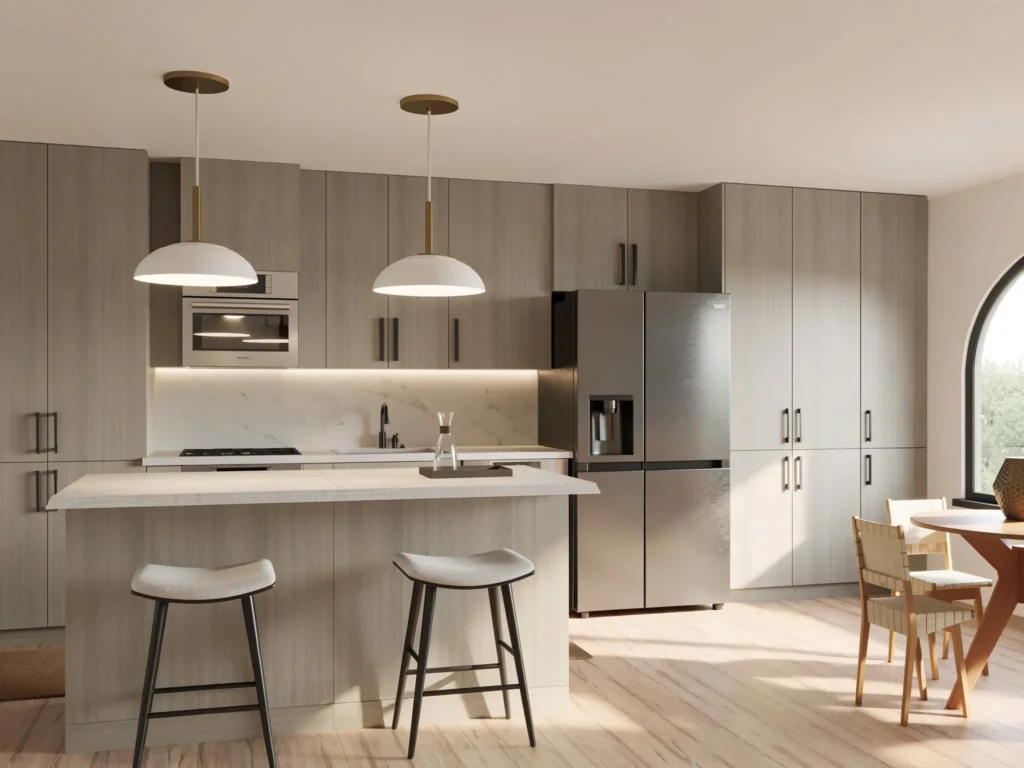
AI also excels at helping people visualize a space before making decisions.
Not everyone can picture how paint colours, furniture, lighting, and finishes will look together. If you’re someone who struggles to visualize the final result, AI can provide realistic renderings that help build confidence in your choices.
It also makes it easy to compare different options.
Not sure whether to go with a green accent wall or a warm terracotta? Debating between a Scandinavian and a mid-century modern aesthetic? AI allows you to quickly generate multiple concepts so you can compare them side by side before committing.
While the images won’t always be perfectly accurate, they can be incredibly useful for exploring possibilities and narrowing down your direction before investing time and money into the real thing.
Where AI Interior Design Tools Miss the Mark
As useful as AI can be, there are several areas where I would not recommend relying on it—or at the very least, where you should proceed with caution.
1. Confirming Clearances and Building Code
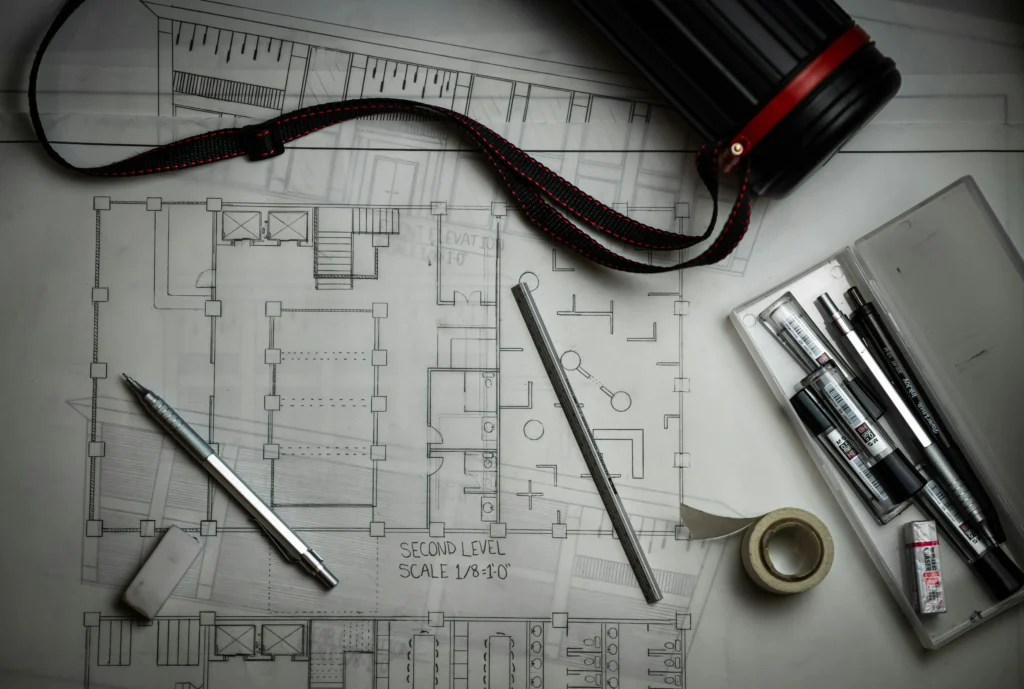
When it comes to floor plans, clearances and building code are critical. This is especially true in kitchens and bathrooms, where every inch matters and poor planning can impact both functionality and safety.
While AI can be helpful during the early layout phase, I wouldn’t trust it to make the final decisions.
In my experience, AI-generated layouts can be unrealistic or lack the level of thought that a professional designer brings to a space. Even if the overall concept looks good, details like circulation, appliance clearances, furniture spacing, and ergonomic considerations are often overlooked.
This is exactly what happened in the story I shared about my neighbour who relied entirely on ChatGPT to design her apartment. On paper, the layout may have looked fine. But in reality, the space felt cramped, awkward, and uncomfortable to live in.
That’s the difference between generating a layout and designing a space.
Read: Interior Designer Vs. ChatGPT: Who Can Space Plan Better
2. AI Can’t Be Held Accountable
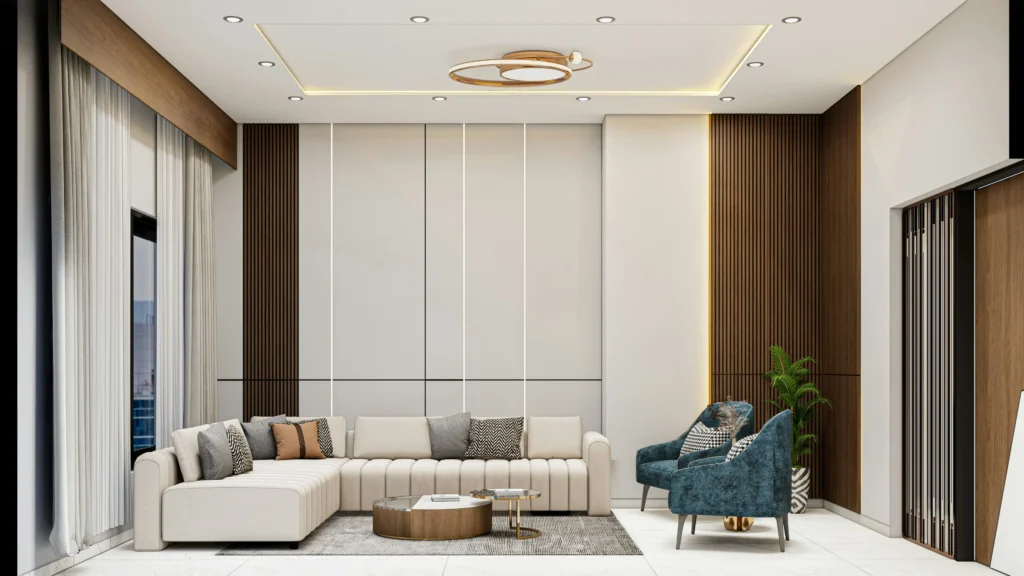
AI does not always get it right. Shocking, I know.
I use AI in my own business every day. Claude helps me with bookkeeping, ChatGPT helps me brainstorm ideas for my blog, and I regularly test AI tools as part of my work.
But just because I use AI doesn’t mean I blindly trust it.
Like people, AI makes mistakes. It hallucinates. It overlooks details. It confidently presents incorrect information as fact.
That’s why it’s so important to fact-check the information AI gives you, especially when it comes to design advice.
Unlike a trained designer, AI doesn’t have years of education, hands-on experience, or lessons learned from completed projects. It’s generating responses based on patterns in existing data—not personal experience or professional judgment.
And if something goes wrong—perhaps it recommends the wrong paint colour, suggests furniture that doesn’t fit, or creates a layout that simply doesn’t work—who takes responsibility?
Not the AI.
3. AI Can’t Personalize a Design the Way a Designer Can
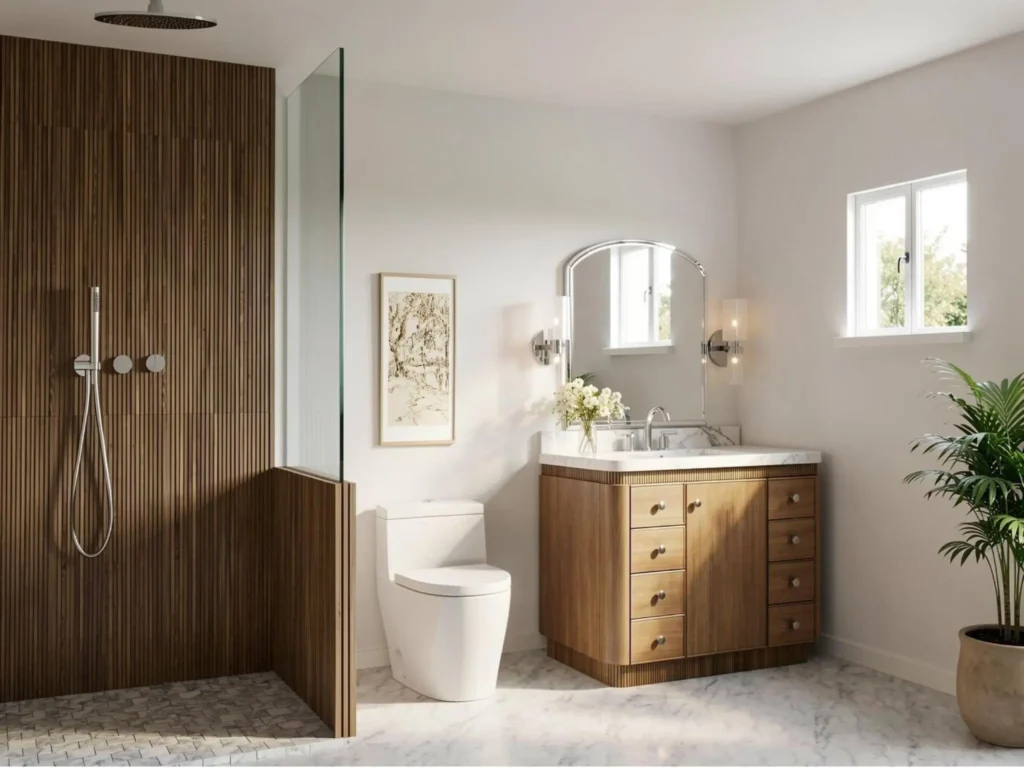
Interior design is an iterative process.
When I work with a client, we don’t arrive at the final design on day one. We uncover it together over time.
We learn what they like and dislike. We discover how they actually live in their home. We refine layouts. We incorporate sentimental pieces they already own. We source products that fit their budget, coordinate deliveries, communicate with trades, solve unexpected problems, and make hundreds of small decisions that ultimately create a cohesive home.
None of that happens in a single prompt, or can even be achieved with multiple prompts.
Interior design is so much more than selecting beautiful furniture or generating a realistic rendering. It’s about creating a home that supports your lifestyle today while continuing to work for you years from now.
The best designs evolve through conversation, collaboration, and refinement.
AI simply can’t replicate that process.
AI Is the Starting Point—Not the Finish Line
I believe AI interior design tools can be great for generating ideas, exploring possibilities, and helping homeowners build confidence before starting a project.
But I don’t believe it’s a replacement for an experienced interior designer.
If your goal is to create the best possible layout, make thoughtful investment decisions, avoid costly mistakes, and design a home that’s tailored specifically to you and your lifestyle, there is still tremendous value in working with a human.
Because at the end of the day, interior design isn’t just about producing a beautiful image.
It’s about creating a home that actually works.
Click Here To Shop My Favourite Home Goods
Let’s design your space together, virtually.