How To Design a Bathroom: Designer’s Tips
Designing a bathroom can feel overwhelming…and this is coming from someone who designs for a living.
When it comes to a bathroom renovation, there are so many components to consider: tile, plumbing fixtures, the vanity, lighting, storage, and even reconfiguring the layout (which isn’t nearly as easy as you’d think). The list goes on.
And let’s be real—bathroom renovations are expensive, time-consuming, and a lot can go wrong. That’s why I want to make sure you have the right information moving forward so you can design a bathroom, properly.
How To Design a Bathroom: Step by Step
AVOID COSTLY (AND UGLY) DESIGN MISTAKES
Step 1: Assess Your Current Bathroom + Space Plan
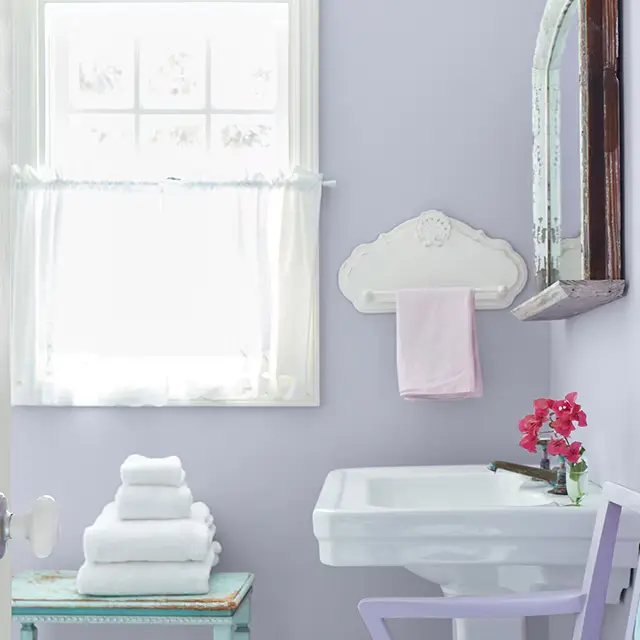
The first step in any bathroom remodel is to assess your existing space and determine what’s working and what’s not.
Unlike moving furniture around in a living room, relocating plumbing fixtures such as a toilet, shower, or bathtub requires significant planning and expense. This means you need to be more intentional than ever with your layout and design decisions.
Ask yourself:
- Is the current layout functional?
- Are there frustrations you’d like to solve?
- Is there a better layout that makes sense, and is feasible?
If you’re considering moving plumbing locations, it’s a good idea to consult with a contractor or plumber early on to determine feasibility. Relocating a toilet rough-in or shower plumbing can be expensive and may or may not be worth the investment depending on your budget and goals.
To design a bathroom floorplan, I recommend using an easy to use tool such as Coohom or Planner 5D to plan your bathrooms layout to-scale.
Step 2: Determine Your Design Style

Once you understand the layout, it’s time for the fun part—finding your style.
Start exploring bathroom inspiration online and pay attention to what you’re naturally drawn to. Pinterest, Instagram, and design blogs are all great places to start.
You can also approach this exercise by asking yourself:
- Do I want a spa-like retreat?
- Am I drawn to something moody and dramatic?
- Do I prefer a clean and minimalist look?
- Am I looking for something timeless or trend-forward?
There are no wrong answers—only what feels right to you.
Step 3: Start Gathering Materials and Samples
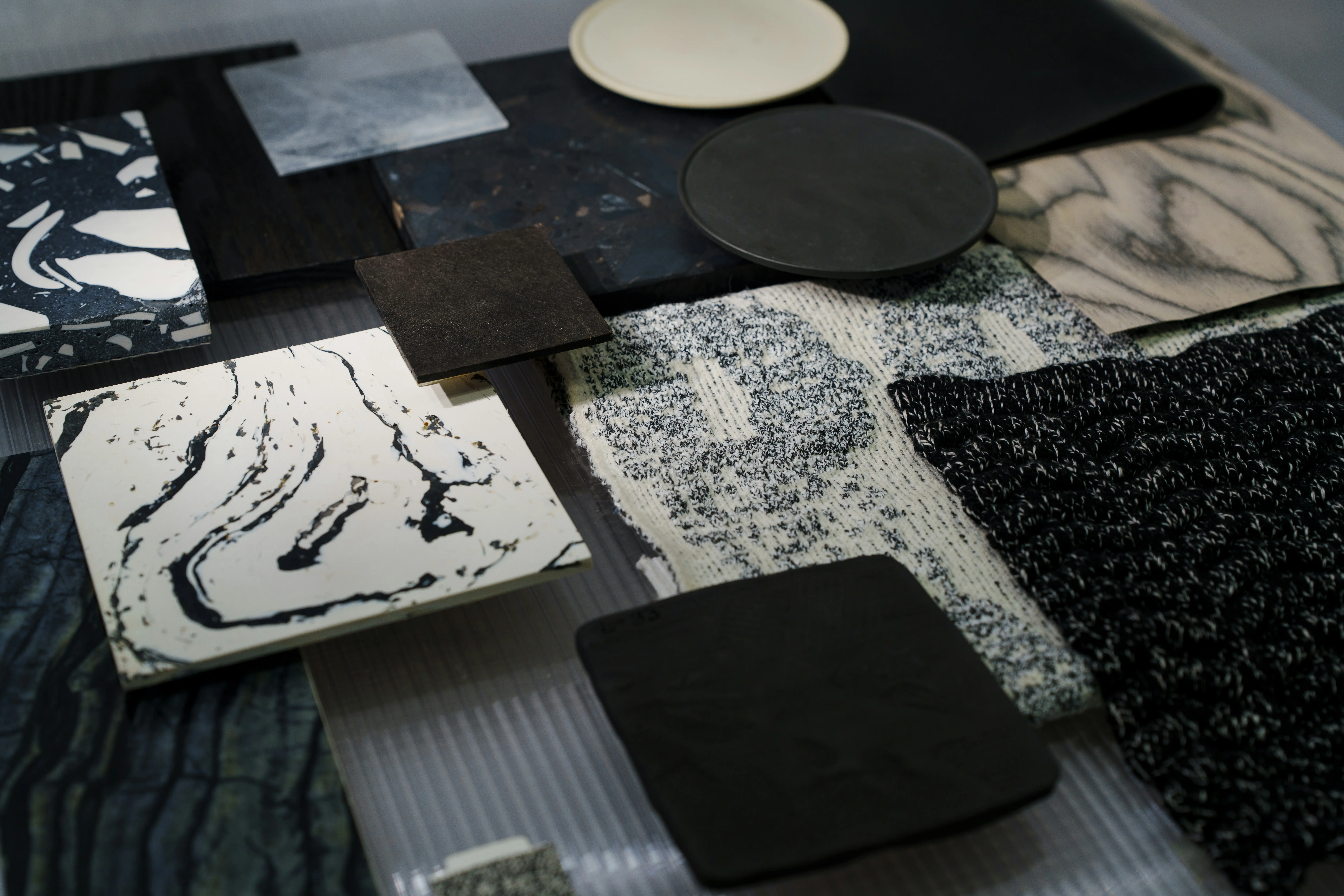
Now it’s time to begin sourcing materials and collecting samples and really get into the design.
This includes:
- Tile
- Flooring
- Vanities
- Plumbing fixtures
- Hardware
- Paint colours
- Lighting
Gathering physical samples is one of the most important parts of the design process because it allows you to see how everything works together in real life.
Designer Tips:
Shower Floor Tile
For shower floors, I typically recommend a mosaic tile. Smaller tiles generally provide more grip underfoot, making them a safer option when the surface is wet.
Consider Maintenance
Be mindful of the materials you’re selecting. For example, marble is undeniably beautiful, but it can be more demanding to maintain and clean. Make sure the materials you choose align with your lifestyle and willingness to maintain them.
Choose Plumbing Brands Carefully
When selecting plumbing fixtures, pay attention to the brand and where it’s based. If replacement parts are ever needed, it may be much easier to source them from a local or North American manufacturer than from a specialty European brand.
Think Beyond Aesthetics
When choosing a vanity, storage should be just as important as appearance—especially if this is your primary bathroom.
Consider:
- Will the vanity provide enough storage?
- Should you add a medicine cabinet?
- Would a linen tower or additional storage unit be beneficial?
Plan Shower Storage
Think about where your shampoo bottles, soaps, and other shower essentials will live. Can you incorporate a recessed shower niche? If not, you may need an alternative storage solution such as shelving.
Don’t Forget Towel Storage
Carefully consider where towels will be stored and how accessible they will be after a shower. And ideally, not too close to the toilet. Let’s avoid that.
Choose the Right Paint Finish
Bathrooms are high-moisture environments, so durability matters. A quality semi-gloss or satin finish is typically a great choice because it can withstand humidity and is easier to clean.
Step 4: Review Everything Together
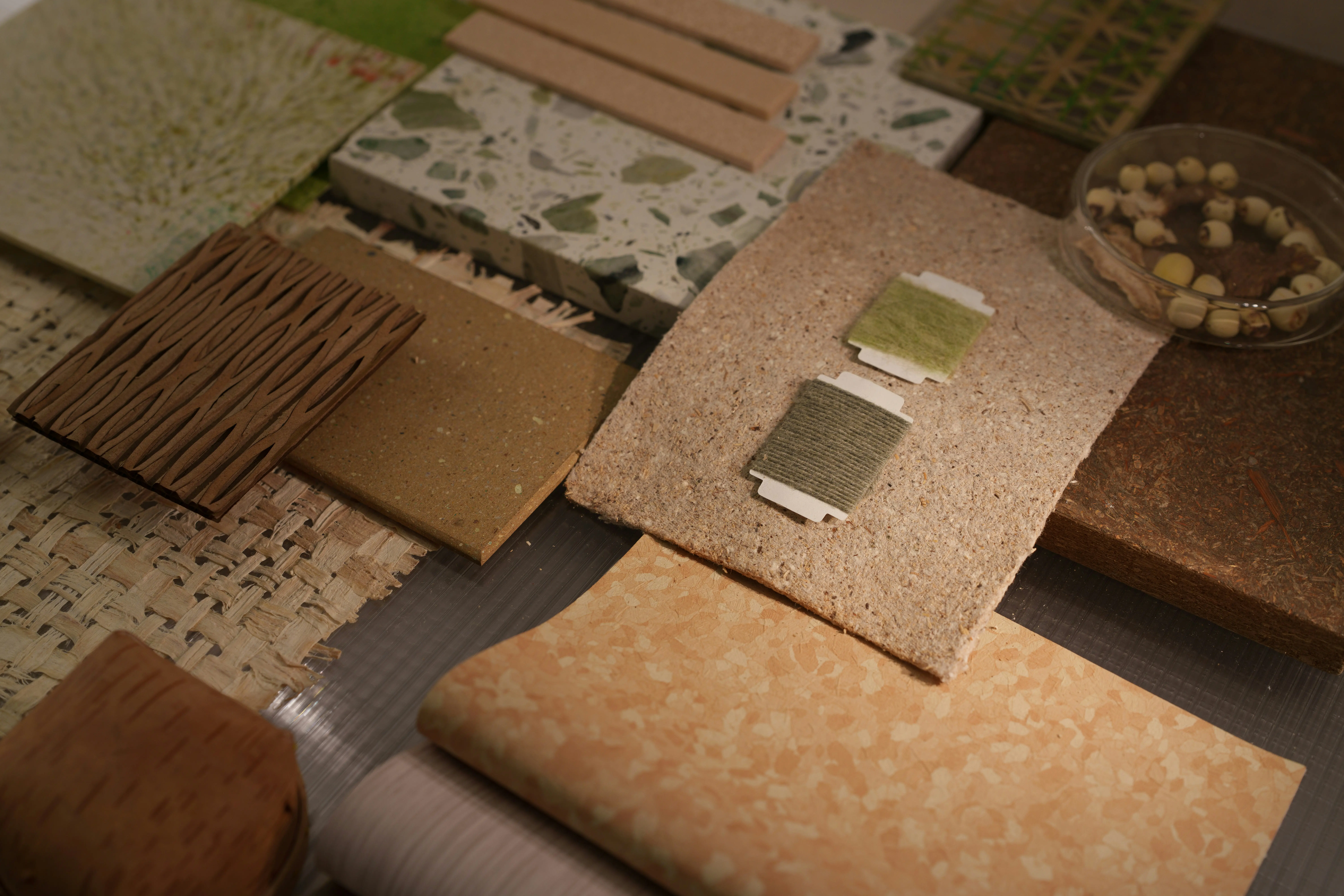
Before purchasing anything, lay out all of your samples together.
This is one of the most important steps in the process.
You want to see how your tile, flooring, countertop, paint colours, hardware, and plumbing finishes interact with one another before committing. Something that looks great individually may not work as well once everything is combined.
Step 5: Confirm Quantities and Technical Details
At this stage, you’ll want to begin gathering measurements and confirming quantities for materials such as tile.
You’ll also want to finalize your plumbing fixture selections and shower system requirements, as these are often among the first items contractors need information on.
Make the Process Easier

If the thought of visiting endless showrooms and collecting samples sounds exhausting, there’s good news.
Technology has made the process much easier.
You can source many of your materials through DesignShop, which delivers samples directly to your door. From tile and millwork to plumbing fixtures, you can browse, order, and compare everything from home.
As a designer, I’ve found this incredibly helpful because it allows me to see all my selections together at once without spending weekends driving from showroom to showroom. If you’re planning a renovation, it can save you a significant amount of time and effort.
Read more on DesignShop, here.
Step 6: Create a 3D Visualization
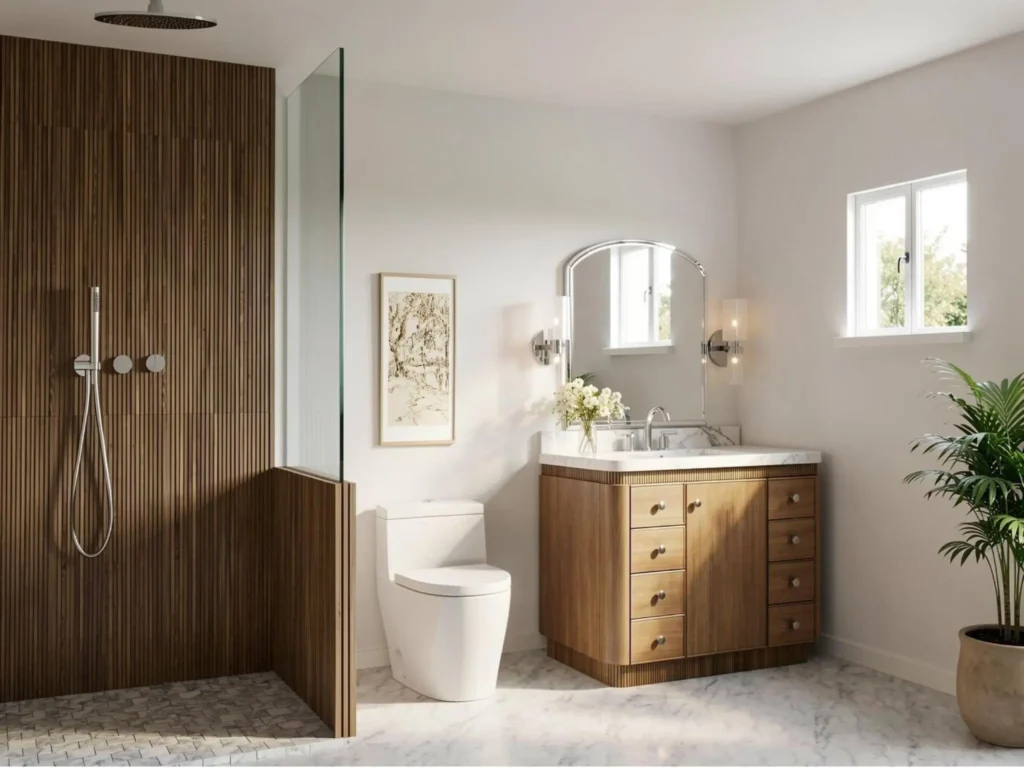
Another great step is creating a 3D model of your bathroom before construction begins.
I recommend the average homeowner using a tool like Coohom, which is relatively user-friendly for homeowners and allows you to visualize layouts, materials, and finishes before making final decisions.
Being able to see your bathroom come together virtually can help prevent costly mistakes and increase confidence in your selections.
Step 7: Pull the Trigger
Once you’re confident in your design choices, it’s time to move forward with the renovation.
Now, this isn’t my first rodeo, so I’ll tell you this: when it comes to renovations, expect the unexpected.
Even with the best planning, surprises can happen. Building some flexibility into your timeline and budget will help reduce stress along the way.
Should You Hire a Designer?
Of course, I may be a little biased here, but consulting with a professional interior designer can be one of the best investments you make during a renovation.
I’ve seen too many DIY bathroom projects that didn’t quite turn out as planned. It’s unfortunate because bathroom renovations are expensive, disruptive, and not something most people want to do twice.
Fortunately, I offer e-design packages specifically geared toward helping homeowners design a bathroom with ease and confidence.
If you’d like one-on-one guidance to ensure you’re making the right choices for your home, I’d love to help. Book an e-design service and let’s create a bathroom you’ll love for years to come.
Click Here To Shop My Favourite Home Goods
Let’s design your space together, virtually.