The Best Paint Color Ideas For Small Spaces
Small spaces are more challenging to design; this is coming from both a designer and someone who lives in a 500 sq ft condo. Every design element becomes critical because, simply put, you don’t want a small space to feel cluttered or like a hot mess.
I remember working on a commercial project with a tiny bathroom—about 4′ × 4′ (16 sq ft). The clients were very concerned about how to make the space feel bigger. They insisted on using all white to try to maximize the sense of openness.
However, I suggested a different route.
I put it plainly: no colour palette is going to make a 16 sq ft bathroom feel physically larger than it is. It’s small—and that’s okay.
Instead of trying to force the illusion of spaciousness, I suggested to shift the design intent and create something impactful. Think moody. Think sophisticated. Think unique. Making a small space feel bigger can be a goal, but it doesn’t always have to be the goal.
That conversation got me thinking: what paint colors actually work best in small spaces—whether you’re trying to enhance the feeling of openness or simply create a cozy, intentional oasis?
Let’s break it down.
AVOID COSTLY (AND UGLY) DESIGN MISTAKES
Paint Color Palettes To Consider For a Small Space
1. Deeper Accent Wall
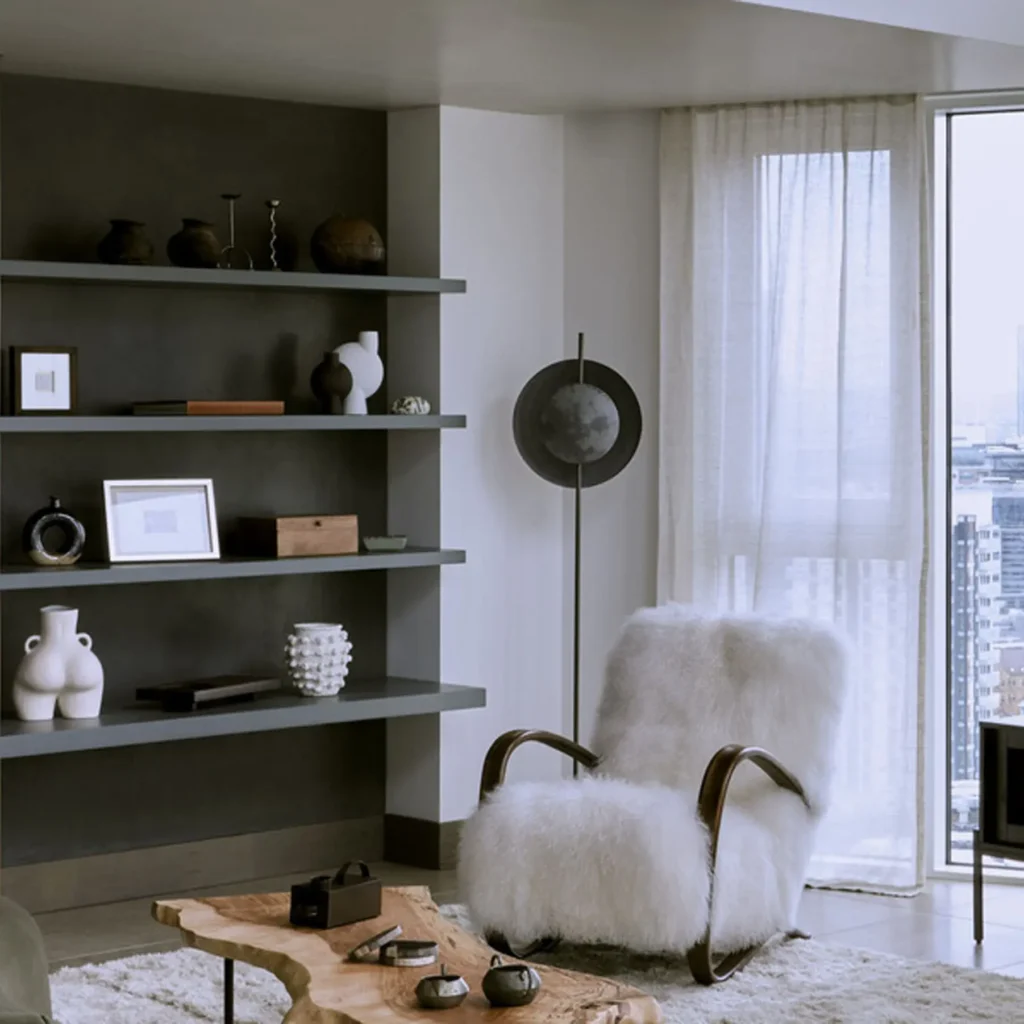
What actually makes a small space feel bigger isn’t an all-white palette; it’s depth and contrast.
With that in mind, consider incorporating a two-toned paint scheme into your space. Start with a base colour, then intentionally select an accent colour that is one to three shades darker, or even darker if you please. From there, choose specific walls to highlight with the deeper tone.
The reasoning ties back to creating the illusion of depth. By introducing contrast, you can manipulate perception and create the effect of shadows, making certain walls feel as though they’re set farther back than they actually are.
For example, painting the farthest wall in a room a shade or two darker than the others can visually push it back, helping the space feel more expansive and dynamic.
This is one of my favourite ways to paint a small space.
2. Cool Toned White
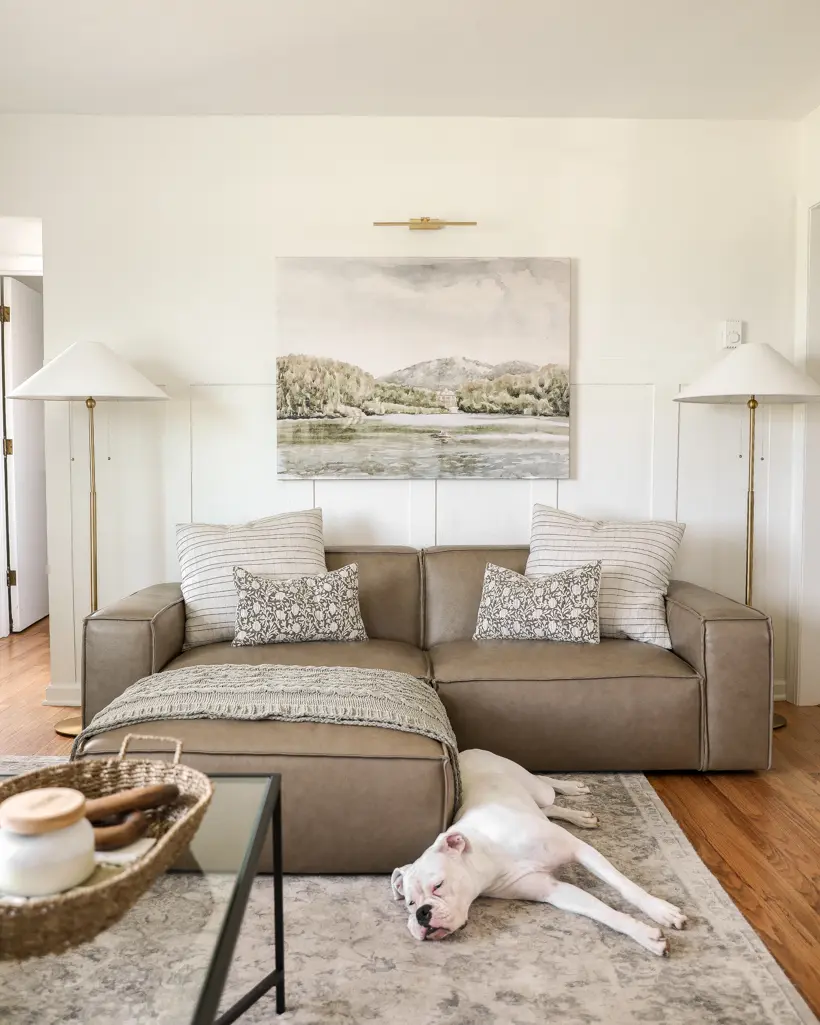
White is still a favourite wall color of mine—and I know what you might be thinking: “White?! Aren’t you a designer? Isn’t that a bit… basic?”
Okay, hold your horses.
I personally love white walls because they allow other elements in a space to stand out. It creates an opportunity to bring in pops of colour and texture elsewhere, whether through furniture, art, or decor. This is actually the approach I’m using in my own small condo.
While white naturally helps create an airy feeling—especially in spaces with tall ceilings or long walls—it doesn’t have to feel like a default or uninspired choice. Instead, it can be a deliberate decision to shift the visual interest to other areas of the room.
That said, not all whites are created equal. I tend to gravitate toward cool-toned whites in smaller spaces because they feel crisp and help brighten the room.
My Fav white paints
Some of my go-to options include Benjamin Moore White Wisp (OC-54) and White Heron (OC-57). If you’re looking for something a bit more neutral, Titanium (2141-60) is also a great option.
3. Color Drenching
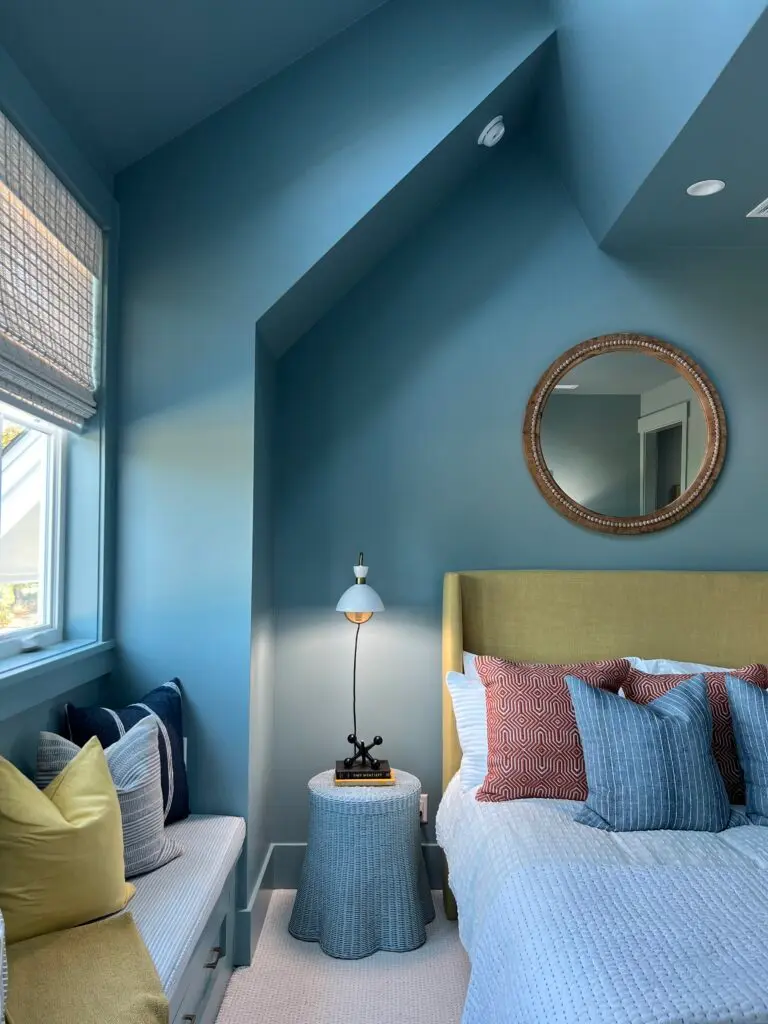
Colour drenching is an amazing paint option for small spaces—in fact, I’d argue that small spaces are made for it.
Instead of always trying to make a space feel larger, sometimes it’s better to lean into coziness. There’s nothing more comforting than feeling like you’re being “hugged” by a colour.
With colour drenching, you paint everything the same shade—walls, ceiling, and even trim. This creates a seamless, immersive look that can make a space feel intentional, elevated, and surprisingly expansive in its own way. And don’t be afraid to go bold or dark, either—that’s often where the magic happens.
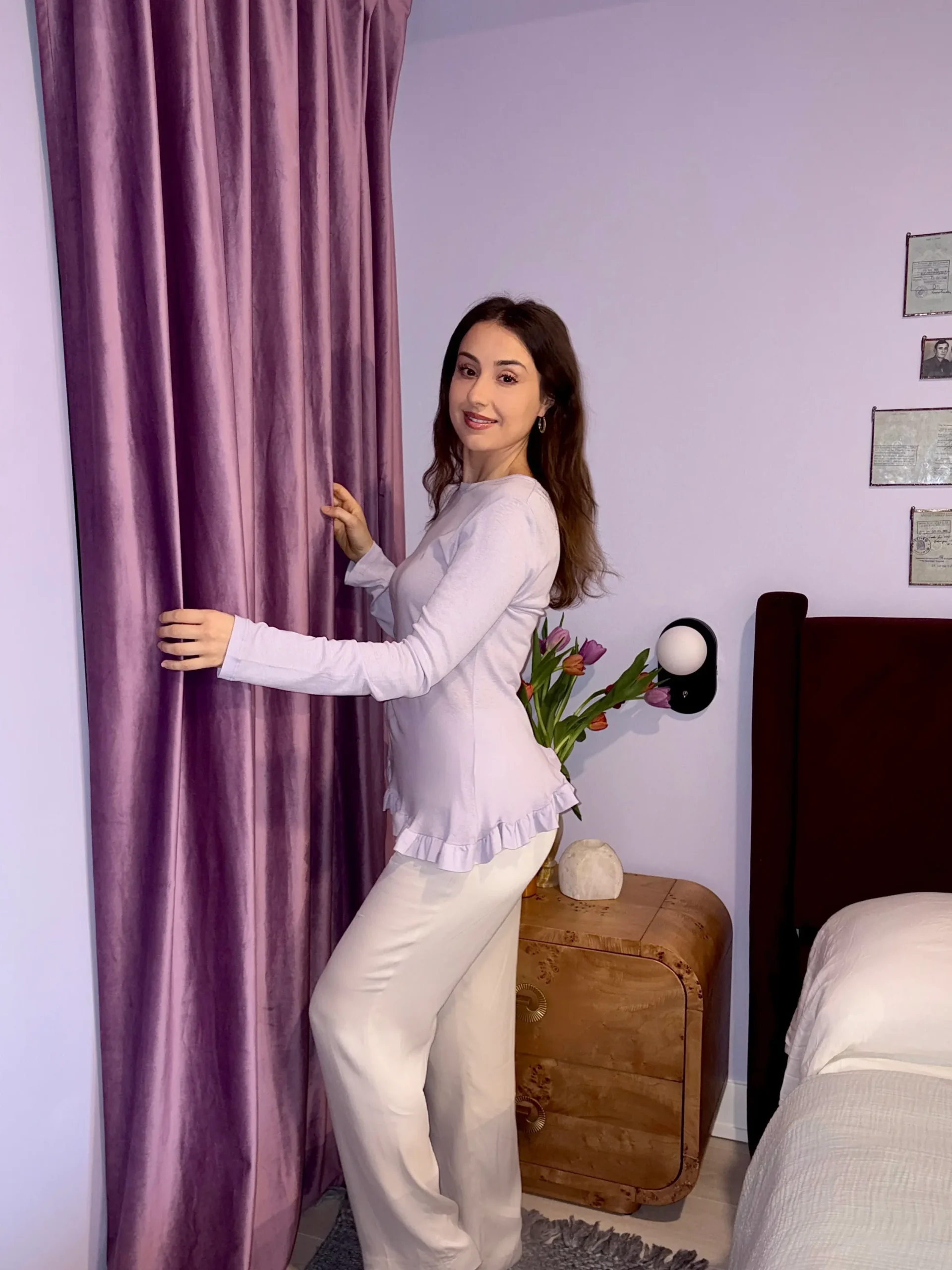
I’m actually planning to colour drench my own tiny bedroom in a lavender tone (still to be decided), so stay tuned—and subscribe to my newsletter to see how it turns out!
Read more on Color Drenching.
4. Pastel Paint Colors
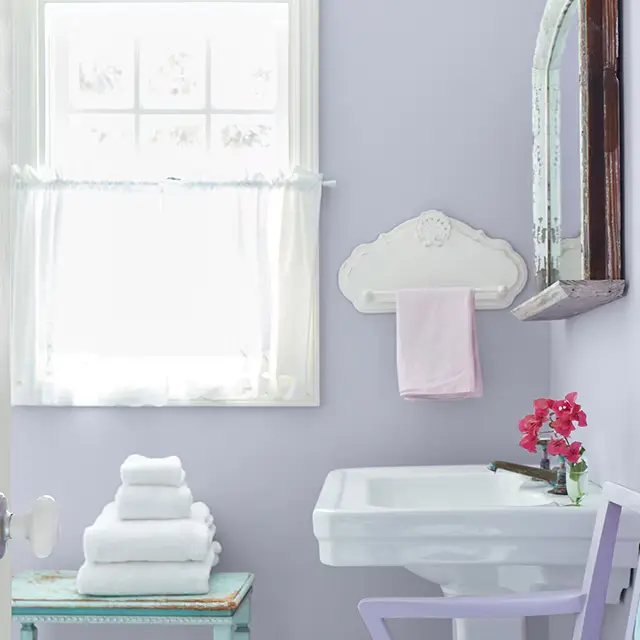
Pastel paint colours work beautifully in small spaces. They keep things feeling light and airy—which is a feeling some people may desire—while still introducing colour in a subtle, approachable way. This makes them a great option for those who aren’t typically drawn to bold or saturated tones.
My personal favourites are pastel blue and pastel green. These tend to be widely appealing colours that people naturally gravitate toward, offering a soft, calming presence without overwhelming the space.
5. Go Cozy
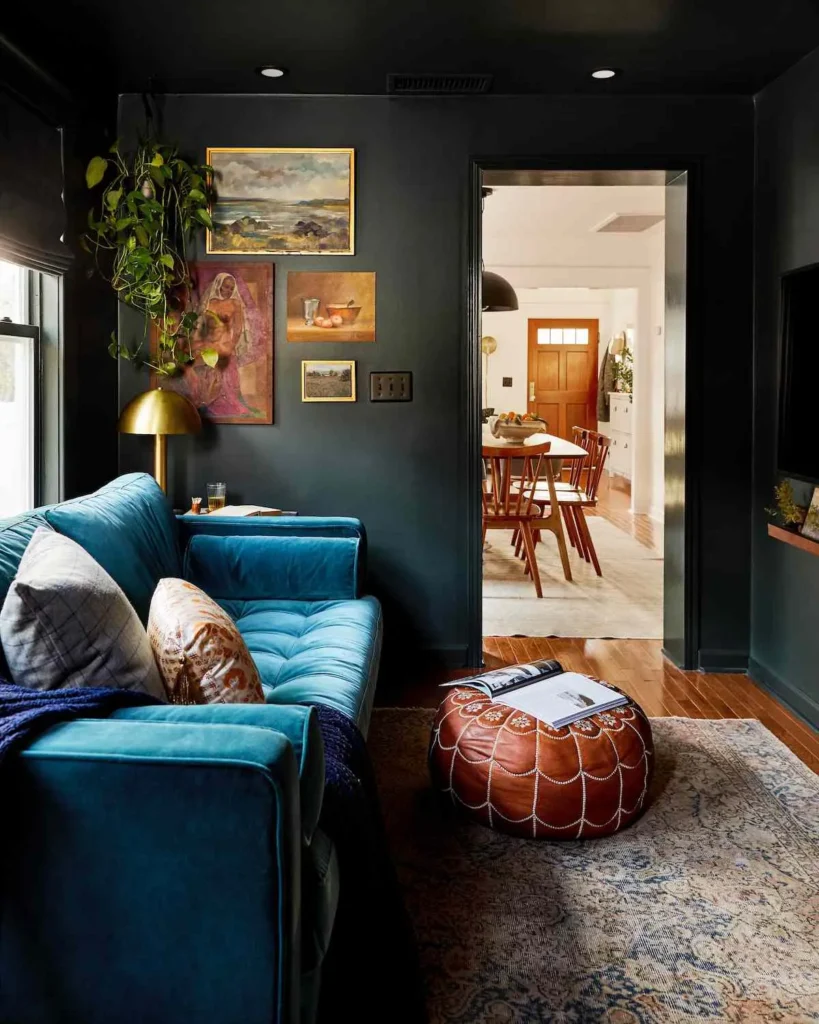
Going earthy and deep might be the direction you want to take. Instead of trying to fight the size of the room, you can actually lean into it and accentuate its coziness.
Small spaces naturally create a sense of intimacy that larger spaces often can’t replicate. So why not embrace that? Bringing in a colour with depth can really enhance that feeling. Think tones like Benjamin Moore Desert Twilight or Stormy Monday—rich, moody shades that add warmth and character.
Maybe you want to turn your space into a cozy retreat for dark nights, candlelight, and moody, scary-movie vibes. Honestly, that sounds pretty perfect to me.
Small Space Decorating Secrets
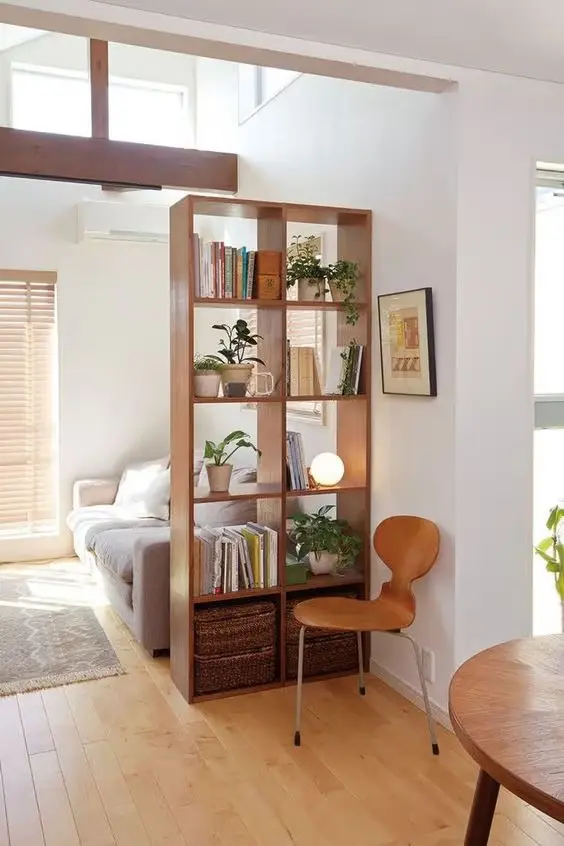
Bigger isn’t always better. When it comes to small spaces, I approach decorating very differently than I would with a larger home. Here are my go-to tips and tricks:
Don’t overdecorate (unless you’re a maximalist)
Less really can be more in a small space. I tend to focus on fewer pieces that make more of an impact, rather than filling the room with lots of smaller items. Thoughtful, statement pieces will always go further than clutter.
Decide on the vibe upfront
Are you trying to make the space feel larger, or are you embracing the coziness?
Knowing this from the beginning helps guide everything—from your layout to your colour palette. Both approaches can work beautifully, but they lead to very different design decisions.
Be intentional with space planning
In small spaces, good space planning is absolutely critical. There’s very little room for error—buying something too large can throw off the entire layout and end up being a costly mistake. Unlike larger spaces, you don’t have much flexibility to “make it work,” so every piece needs to be considered carefully.
Click here for free space planning tools.
More On Small Spaces
Read: Small Living Room Layout: How to Fit a Couch and TV in a Tiny Space
Click Here To Shop My Favourite Home Goods
Let’s design your space together, virtually.