The 9 Biggest Mistakes Made When Decorating a Small Space
Designing and decorating a small space is more challenging than designing a larger one. There is far less wiggle room when it comes to error. In a small space, every inch counts, so the wrong size of furniture or the wrong proportions can throw everything completely off.
There are a few recurring mistakes I see people make in small space design time and time again. I want to break them down so you can make sure you don’t do the same.
AVOID COSTLY (AND UGLY) DESIGN MISTAKES
Mistake 1: Thinking Small Means No Personality

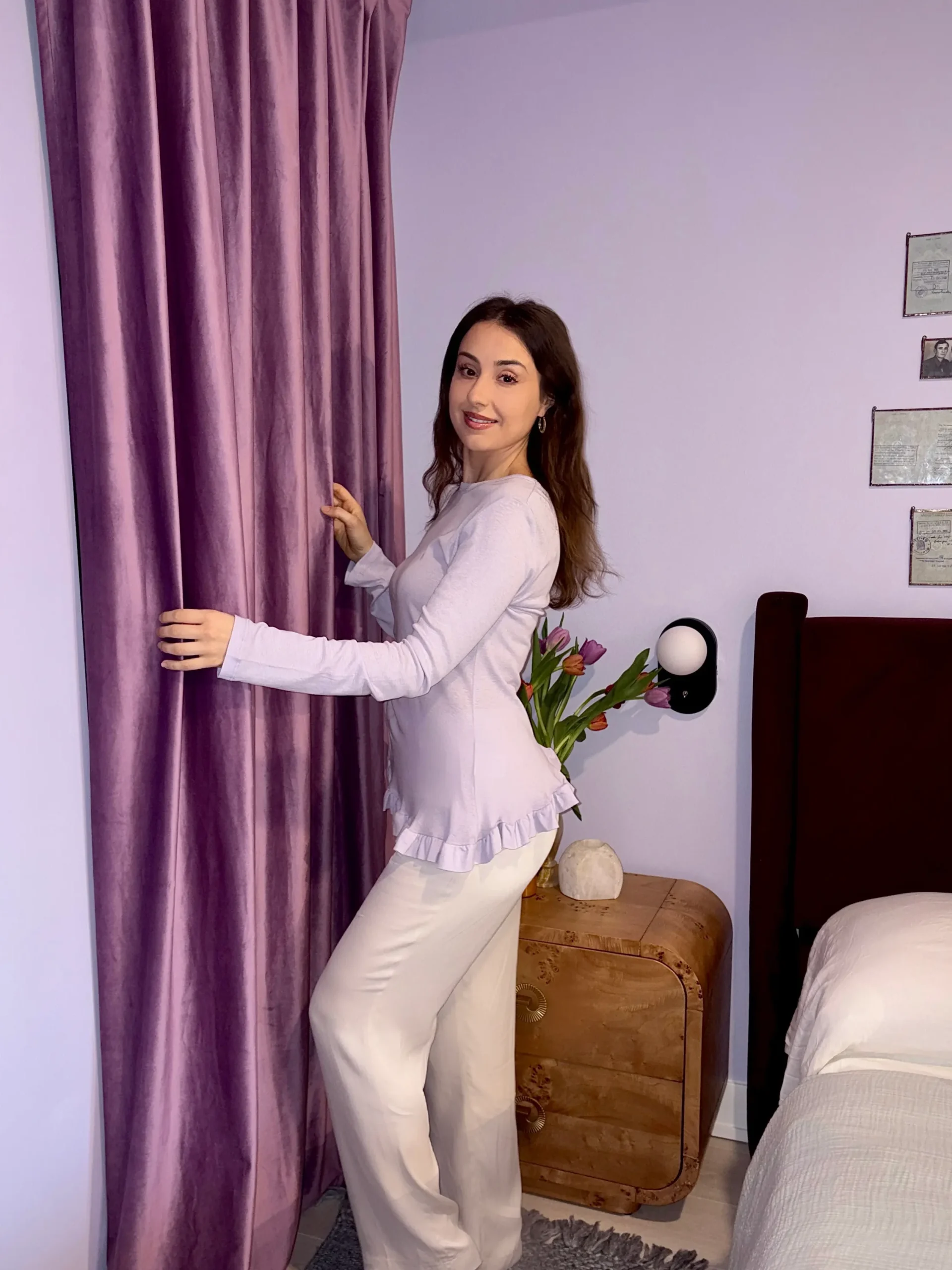
When it comes to a small space, people think that because the space is small, there should be less personality in it, or none at all.
People are scared to add bold colours to a small space, or to mix finishes, textures and colours. I want to say that this is absolutely the wrong approach.
Small spaces can be infused with just as much personality as large ones. In fact, it’s actually easier for them to feel cozy and unique, because small spaces are naturally cozy, quaint and intimate.
So adding texture, layers and personality into a small space is very possible, and it should be done for the space to feel complete.
Mistake 2: Avoiding Bold Paint Colours
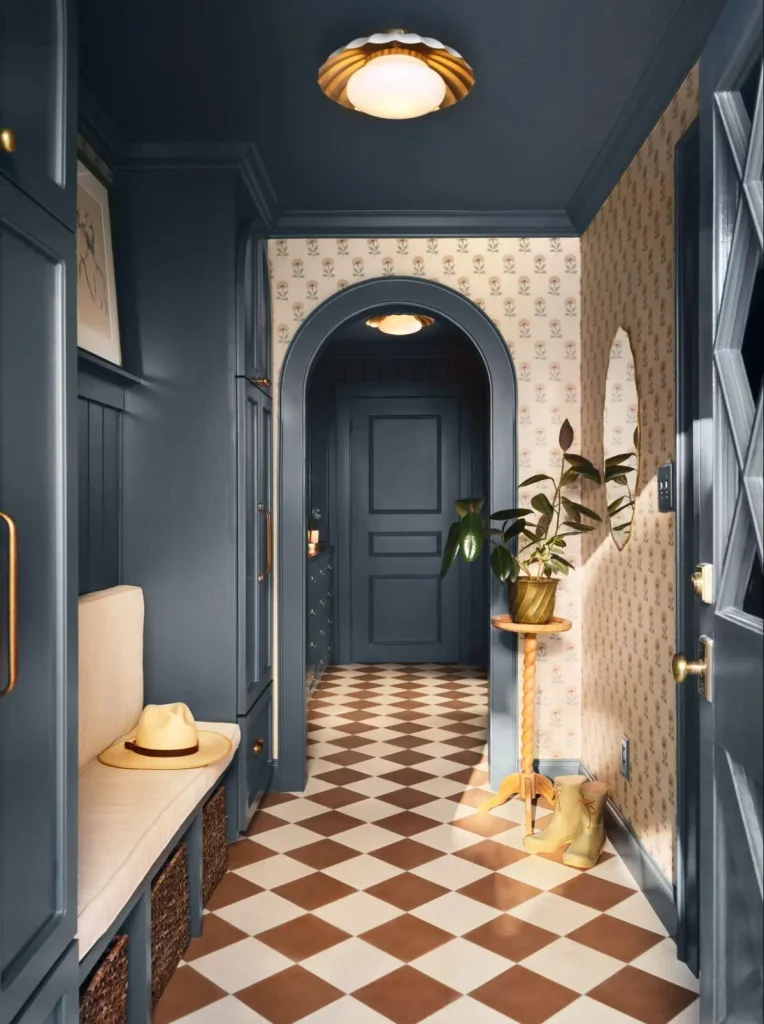
The idea that you shouldn’t paint small spaces in bold colours is probably the biggest misconception of all, and it makes for a huge missed opportunity.
My favourite thing ever is a small space with a bold, rich paint colour. It really plays into the coziness of the space and adds a pop of drama, which I personally love.
People are really concerned with making their small space feel bigger, but I’m more interested in making a small space feel cozy and intimate.
So I say yes to bold colours in a small space. I often gravitate toward this approach rather than going light and bright just because you’re scared of something bold.
Also read: The Best Paint Color Ideas For Small Spaces
Mistake 3: Buying the Wrong Size Furniture
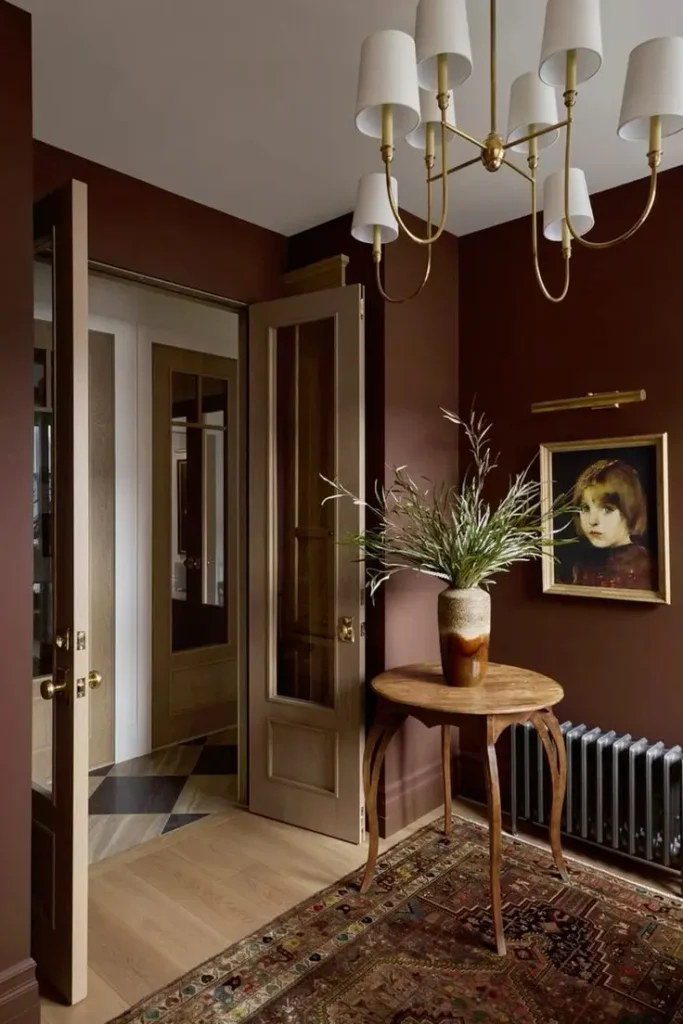
The next mistake is buying the wrong size furniture. It surprises me how many people go out and buy furniture for a space without even measuring.
This leaves people with the wrong pieces that overcrowd the room. In a small space, there often isn’t much wiggle room to move or shift things around to simply “make it work.”
So people are left with spaces that don’t function, and the room ends up feeling cramped, impractical and anything but cozy.
Also read: How an Interior Designer Styled Her Tiny 495-Square-Foot Apartment
Mistake 4: Not Planning How You’ll Actually Use the Space
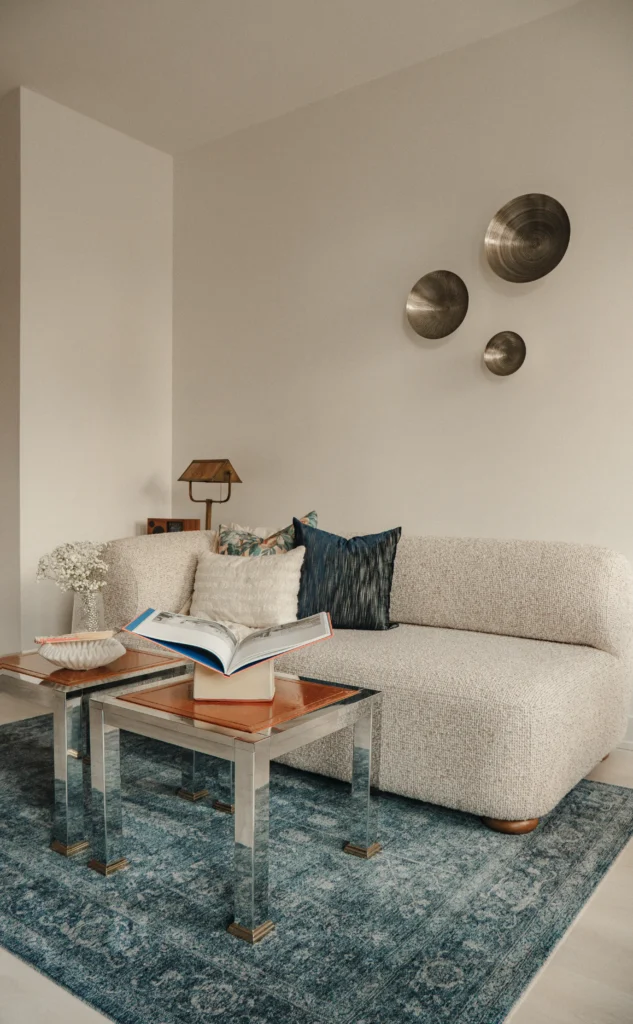
It’s essential to plan out your space. Nowadays, there are so many free design tools that anyone can use to map out their furniture plan before they start buying (do not make the mistake of buying furniture before you space plan).
When it comes to creating a furniture plan, you may need to think outside the box and come up with clever solutions for the lack of floor space, storage space, wall space and more.
You really need to think about how you personally use the space. Which means, what you should be prioritized, and what you can live without.
For example, I have a tiny living room, and I don’t have a permanent TV in it.
Also read: Small Living Room Layout: How to Fit a Couch and TV in a Tiny Space
Instead, I have a TV on wheels that stays in my bedroom, because that’s where I watch TV more often than not. This allowed me to set up my living room in a way that works for me: more as a listening room and chill-out area rather than a TV-focused space.
If I want to watch TV in the living room, I can simply roll it in, and it works.
You may need to take the same approach in your small space. Ask yourself what’s truly needed, and whether there’s a way to make it all work or whether you need some sort of adjustment or clever solution.
Mistake 5: Filling the Room with Lots of Tiny Furniture
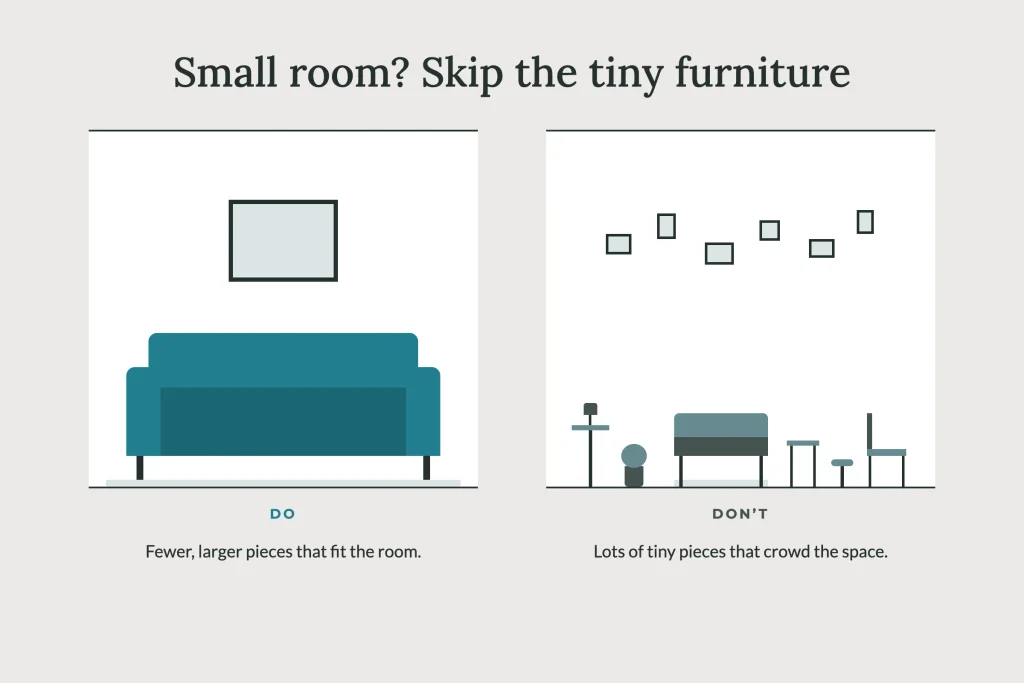
It seems logical that a small room needs small furniture, but a bunch of undersized pieces actually makes a space feel cluttered and choppy. A few well-scaled pieces will make a small room feel calmer and more pulled together than a collection of mini ones.
The key here is again: scale and proportion.
Mistake 6: Hanging Curtains Too Low and Too Narrow
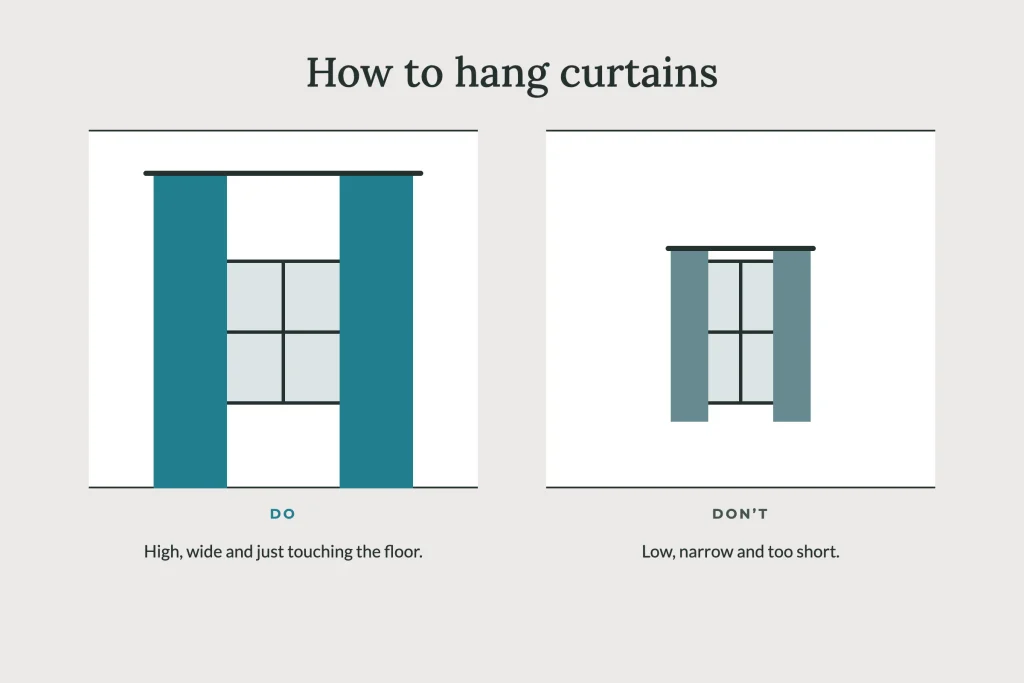
Curtains hung right at the top of the window frame make ceilings feel lower, and windows feel smaller. Hang your rods closer to the ceiling and extend them past the window frame so the curtains frame the glass instead of covering it. It’s one of the easiest ways to make a small room feel taller and more finished.
Mistake 7: Relying on One Overhead Light

A single ceiling fixture casts flat, harsh light and leaves dark corners that make a room feel smaller. Layer your lighting with table lamps, wall sconces (plug-in ones are great for renters) and accent lighting to give the space warmth and depth, especially if you’ve gone with a bold, moody paint colour.
Mistake 8: Forgetting About Vertical Space
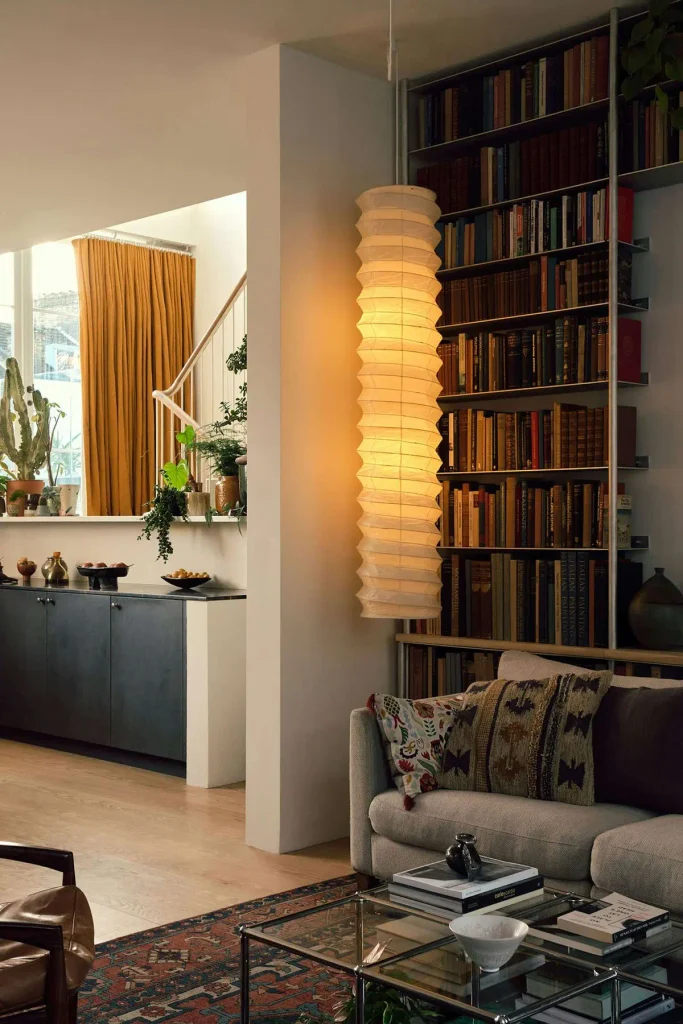
When floor space is limited, your walls are your best friend. Tall bookcases, wall-mounted shelving, floating nightstands and hooks free up the floor and draw the eye up, giving you storage without crowding the room.
Mistake 9: Pushing Every Piece Against the Wall
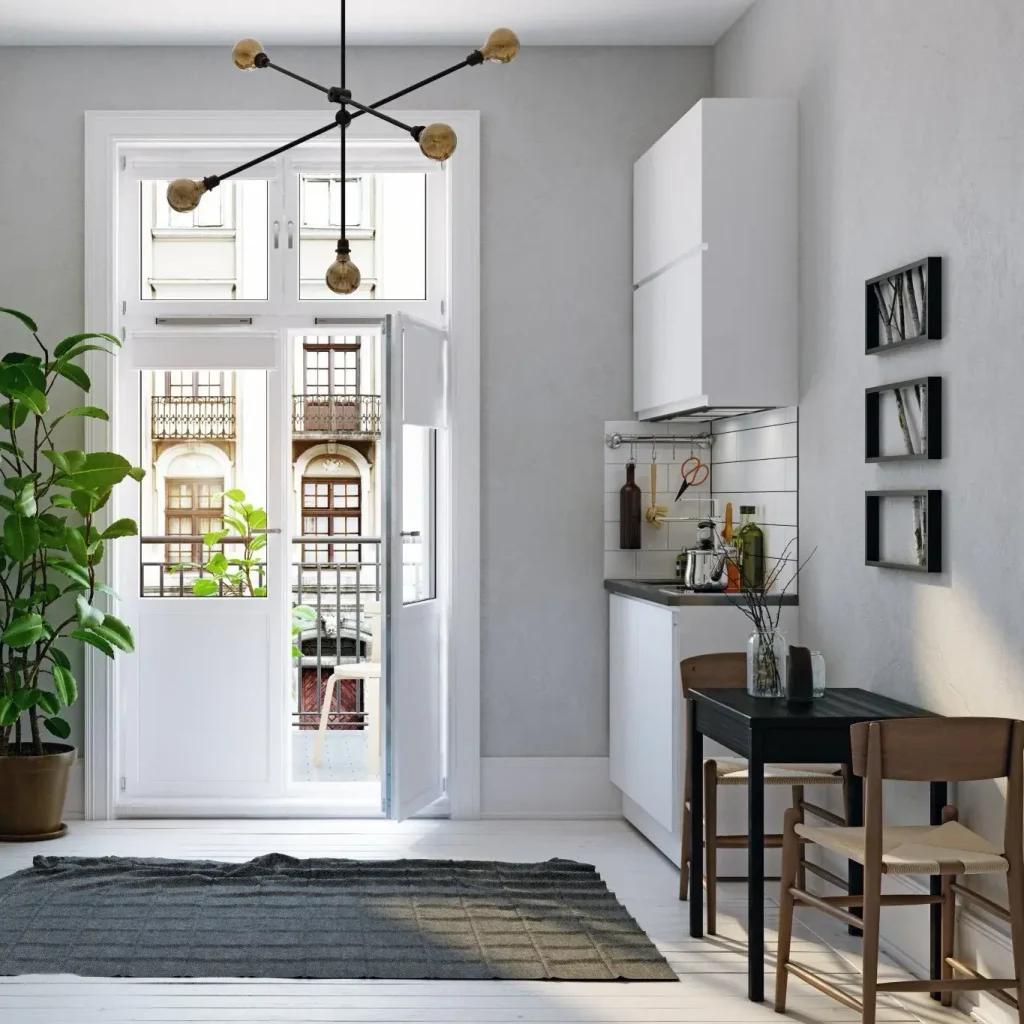
It’s tempting to line everything up along the walls to “open up” the floor, but this often leaves a dead zone in the middle and makes the room feel like a waiting room. Pulling furniture in, even just a few inches, creates a more intimate, conversational layout, which fits perfectly with making a small space feel cozy.
Click Here To Shop My Favourite Home Goods
Let’s design your space together, virtually.