Five Things You Need To Know Before Starting An Interior Design Company
So, you want to start an interior design company, huh? Well, as someone in the biz, I want to share 5 things I wish I knew before I started my own interior design company. I launched my business back in 2017, and let me tell you—I’ve learned a lot since then. Most of it? The hard way.
I taught myself how to run my business from the ground up. Reading this blog post will give you my perspective, and hopefully boost your chances in the highly competitive world of interior design.

If you want to hear more about my backstory, you can check out My Story. But in short: I started my design company at a young age. I had a lot of zeal and ambition, and I still do! But there’s something about early twenties energy that just can’t be replicated. Starting right out of college was a bold move, but I always knew this was what I wanted to do. So, I did it.
What I quickly realized was that knowing how to design is one thing. Knowing how to run a business? That’s another beast entirely. And it’s hard, especially if you’re a one-woman (or one-man) show.
When I started, I didn’t have money to invest, I didn’t have connections, and I didn’t even understand the basics—like taxes, invoicing, or legal paperwork. It was a mess. But the one thing I did know? How to design. That confidence helped me land some of my first clients.
As my business grew, so did my understanding of the business of design. If you’re thinking of starting your own interior design company, read on for the top 5 lessons I’ve learned.
1. You Need The Right Interior Design Software

When I started, I was juggling different tools for client presentations, communication, invoicing, and sourcing. It was chaotic, unprofessional, and frankly, exhausting. My clients still appreciated my designs, but my process was clunky, especially on larger projects.
At one point, I was sending Excel spreadsheets with product links and asking clients to mark their selections. Then we’d go back and forth on email, I’d send a separate invoice, collect payment through another system…it was not efficient.
Eventually, I knew I needed a better solution. That’s when I found DesignFiles, an all-in-one software for interior designers. It completely transformed how I ran my business. I could do everything—mood boards, presentations, 3D renders, invoices, payments, sourcing—all in one place.
If you’re hesitant about the subscription fee, I get it. There are also great one-time purchase software options for those just starting out, such as The Design Studio HQ V2.0 from Insight Design Studio.
Once I switched to an all-in-one platform, my clients noticed. My workflow looked professional, my brand felt elevated, and my client experience was streamlined—which, in a luxury service like interior design, makes all the difference.
For my opinion on all the most popular interior design software programs out there; Read: The Best and Worst Interior Design Software
2. You Need a Good Website

When I first started, I knew nothing about web design. I designed interiors—not websites. And I couldn’t afford a web designer. So I slapped something together and called it a day.
Spoiler alert: It wasn’t doing me any favours.
It wasn’t terrible, but it certainly wasn’t great. Back then, I was getting about 500 pageviews a month. Now? I get over 5,000 monthly pageviews. The difference? I rebuilt my site on a better platform, with a better theme, and focused on blog content that draws people in organically.
I use WordPress for hosting, NameHero Servers, 17th Avenue for my theme, and Perfmatters for performance. Your website is your first impression…so make it a good one.
I also use a VPN because I travel often.
3. You Need Mentors In The Same Industry

Most of what I’ve learned about running an interior design company has come from working with or listening to others in the field. There’s a saying: Don’t take advice from people who aren’t where you want to be. And I try to live by that.
Find mentors—people who are succeeding in the same industry you want to grow in. How? That’s up to you. Join online interior design groups, attend networking events (old school), collaborate with fellow designers, build your Instagram, or even freelance for someone more experienced.
However you do it, just make sure you’re learning from the right people, and make those connections naturally.
4. Interior Design Is Sales

I didn’t get into interior design thinking I’d be in sales. I thought it was about designing beautiful spaces. But here’s the truth: interior design is sales.
You’re constantly selling—your vision, your services, your process, and yourself/team. You’re selling the dream. And if you want to run a successful company, you’ve got to get good at that.
For me, it came somewhat naturally because I love what I do and believe in my design work. But this mindset is key: before you become the best designer, you need to become a great salesperson.
So, although selling came naturally to me—because I genuinely believed in my design skills—it’s important to approach interior design with the mindset that it is sales, and ultimately, a business. You need to understand how to sell, why people buy, and why they’ll choose to buy from you. To put it simply: people buy from those they trust and like.
5. Your Pricing Can Make Or Break You

Honestly, this point could be an entire blog post on its own. Pricing your services is tricky, and if you get it wrong, you could lose money fast.
Flat fees are appealing to clients, but they can be risky if you don’t have much experience. You think you know how long a project will take… until it takes triple the time. And if you’re not charging for that extra time, guess who’s eating the cost? You.
In the beginning, I highly recommend charging hourly. That’s what most designers do, and for good reason. People will happily drain your time if you let them. When I started charging by the hour, it changed the game for me. It helped me protect my energy and my bottom line.
Final Takeaway: Starting An Interior Design Company Isn’t For The Faint Of Heart
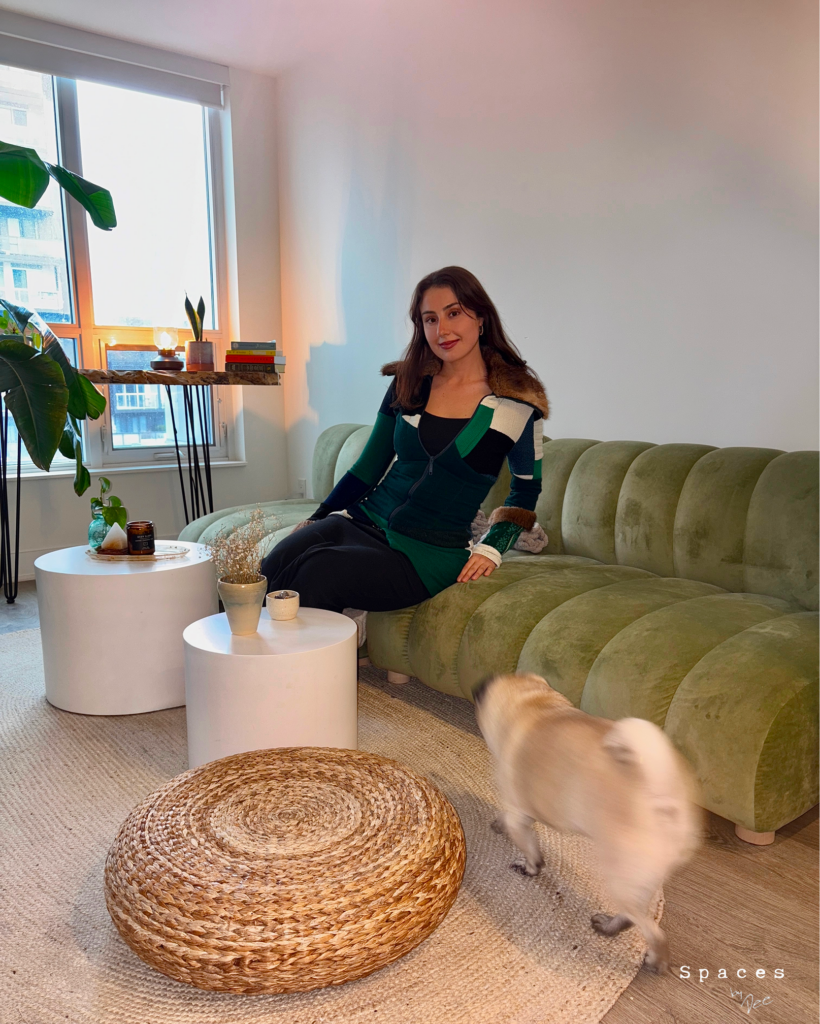
Everyone’s business journey is different. Mine has shifted and evolved many times, partly because I started so young and didn’t know what I was doing. Now? I’ve got a better grasp on things, and I’m finally seeing some amazing things unfold in my business in ways I didn’t expect.
Is my business where I want it to be? Not yet. But I’m working on it, and I’m proud of how far I’ve come.
If you’re dreaming of starting your own interior design business, I hope this helped. And if you’d like to connect more on this subject, drop a comment below, I’d love to hear from you.
Click Here To Shop My Favourite Home Goods
Let’s design your space together, virtually.