Why It’s Impossible to Evaluate Your Own Home: Home Blindness
Have you ever heard of going “nose blind”? It’s when you can no longer smell your own scent, but others certainly (and maybe unfortunately) can. The same thing happens with your living space—you experience home blindness, as I like to call it. Over time, you get so used to your surroundings that it’s hard to truly see and evaluate your own home.
AVOID COSTLY (AND UGLY) DESIGN MISTAKES
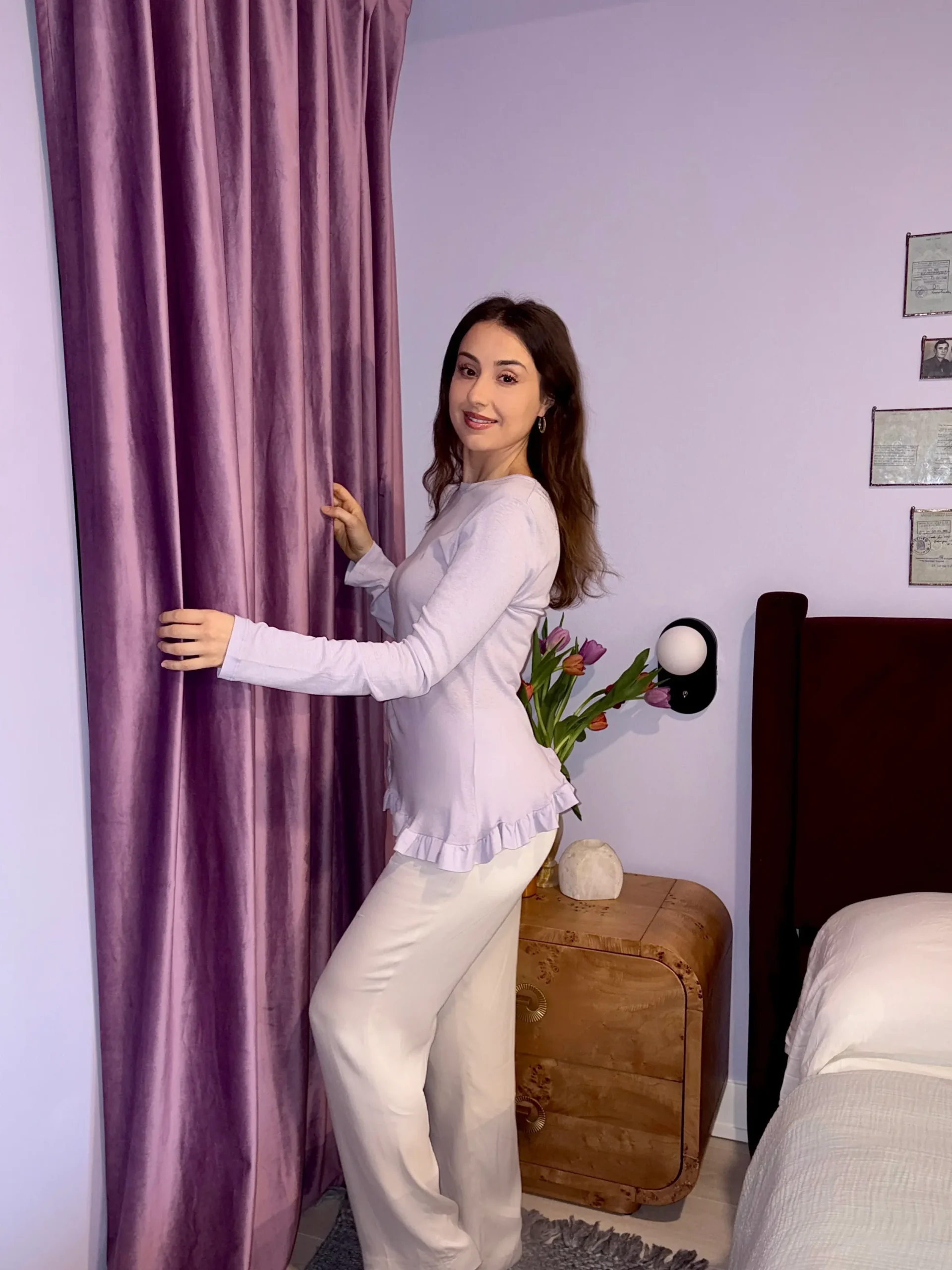
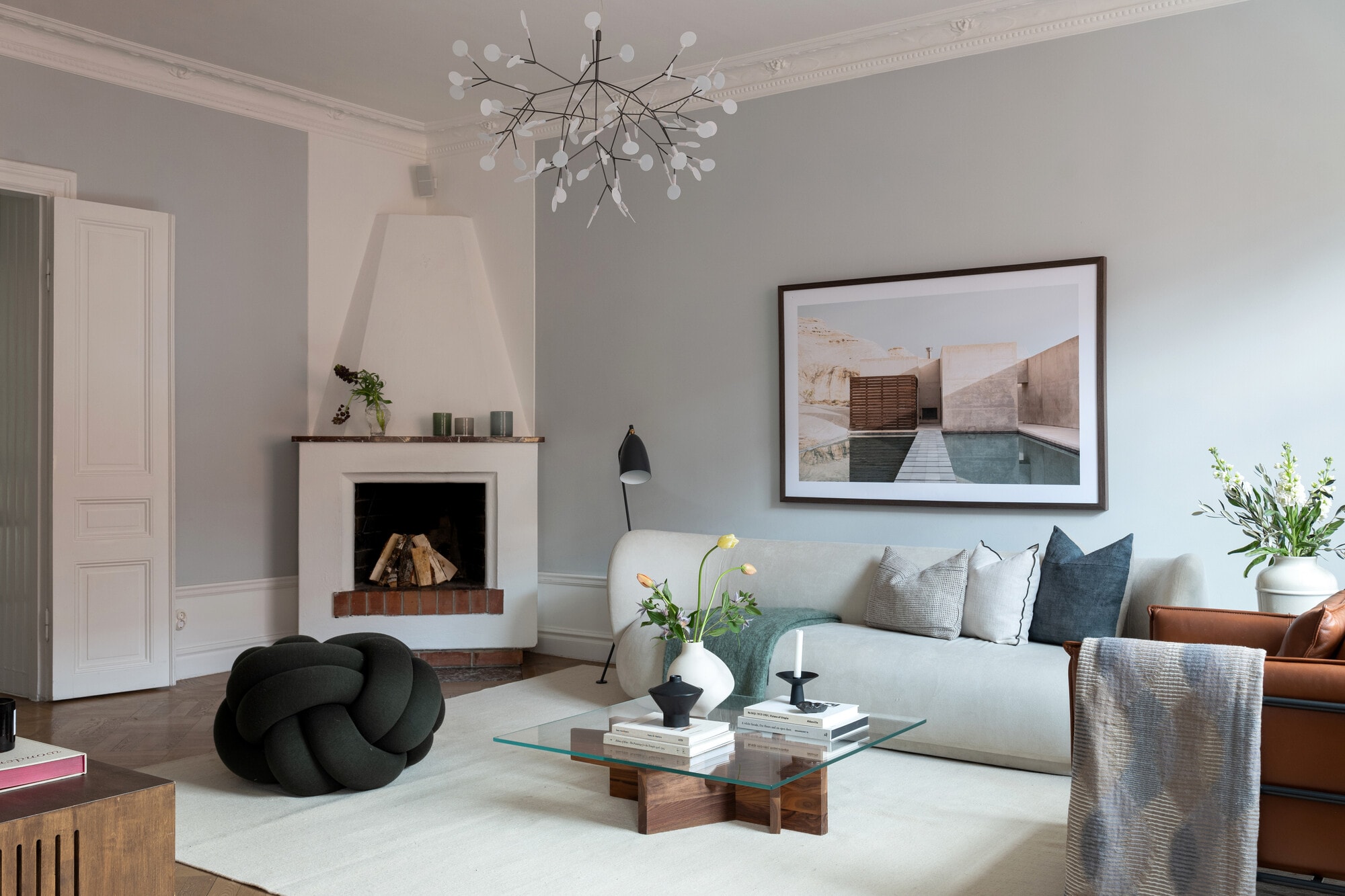
As a designer, when I walk into a space, I have a fresh set of eyes that can instantly pick up on details you might have missed or never considered. I’ve been in countless homes, and I see this “home blindness” all the time. For example, during one consultation, a client kept referring to her walls as grey. I gently pointed out that her walls weren’t grey at all—they were baby blue. Once she saw it, she couldn’t unsee it! She simply could not believe that I had made this observation. It’s fascinating how our brains work; we adapt to our environment and stop noticing things that may feel glaringly obvious to someone new.
In another instance, I walked into a condo that was, quite frankly, a mess. Yet the owner proudly described themselves as a neat freak. It’s amazing how our perceptions can differ from reality. Certainly, maybe this individual was not the most self-aware.
So, what does this mean for the average homeowner looking to refresh their space? It means that evaluating your own home objectively can be a real challenge.
Why We Go Home Blind
1. Adaptation
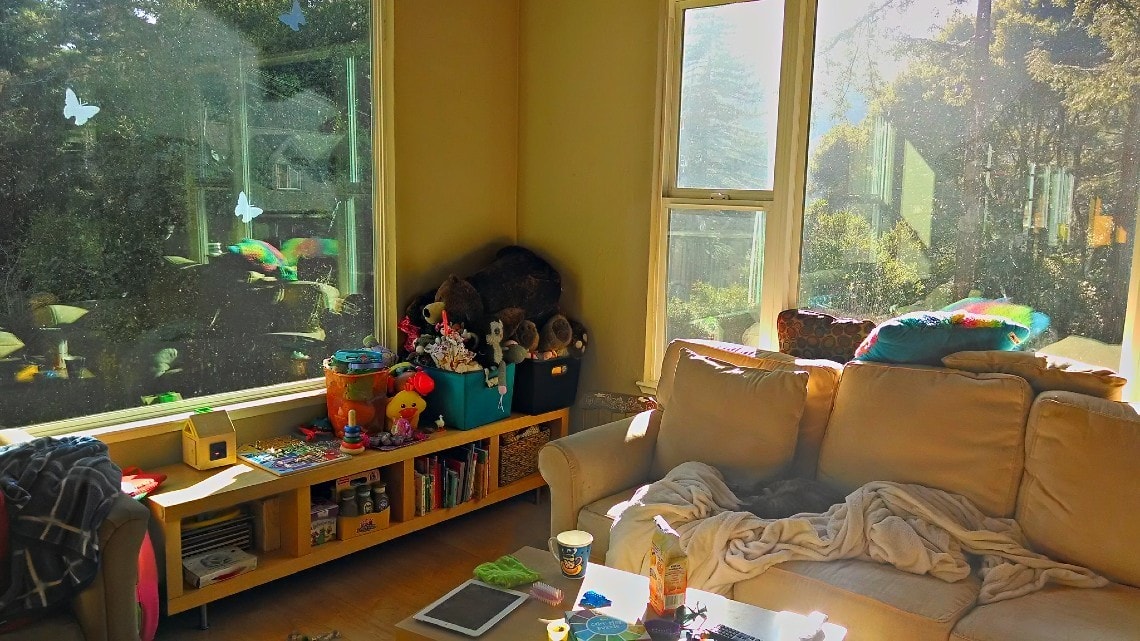
Our brains are incredible at adapting to our surroundings. This ability is a survival mechanism that allows us to filter out non-threatening, repetitive stimuli. While this is helpful in the wild, it’s not so great when it comes to noticing that your living room has slowly turned into a storage closet.
2. Emotional Attachment
We’re emotionally tied to our spaces and the items within them. That hand-me-down couch might clash with everything else in the room, but because it belonged to a loved one, we’re blind to its impact on the overall design. Our emotional connections can cloud our judgment and prevent us from seeing our spaces objectively. I think the same things happens with romantic partners. But, I am no phycologist.
3. Routines and Habits

Daily routines make us overlook the obvious. When you walk past the same crooked picture frame or overflowing bookshelf every day, they eventually stop registering as problems. They’re just part of the scenery, blending into the backdrop of your life.
4. Perception vs. Reality

Sometimes, what we think we see isn’t what’s actually there. Like the story I told earlier in this post, a client once insisted her walls were grey. To the trained eye, they were clearly baby blue. It wasn’t until I pointed it out that she could see the difference. Once she saw it, she couldn’t unsee it.
The Impact of Home Blindness
Home blindness can have a surprising impact on your well-being. A cluttered, unbalanced, or uninspiring space can affect your mood, productivity, and even relationships. Your home should be a sanctuary, a place that recharges and inspires you. When it doesn’t, it’s easy to feel stuck or frustrated without fully understanding why.
How to Overcome Home Blindness
1. Invite Fresh Eyes
Sometimes, all it takes is a new perspective. Whether it’s a friend, family member, or professional designer (cough, cough, like me), an outsider can help you identify issues you’ve overlooked. Designers, in particular, are trained to assess spaces objectively and provide actionable recommendations.
2. Take Photos of Your Space
Photographing your home can help you see it differently. A picture captures details your eyes might gloss over, like cluttered corners or awkward layouts. Review the photos critically, as if you were seeing them for the first time.
3. Declutter
Clutter is one of the biggest contributors to home blindness. Tackle one area at a time, removing items that no longer serve a purpose or bring joy. A clean slate can help you see your space with fresh eyes. Read Declutter your Mind by Decluttering your Home.
4. Rearrange and Refresh
Sometimes, small changes can make a big difference. Try rearranging your furniture, swapping out decor, or adding a fresh coat of paint. Even minor updates can help you break out of the mental rut and see your home in a new light.
5. Hire a Professional
If you’re truly stuck, consider consulting a designer, like myself. In fact, I have an eDesign service that is surely to help you realize your space for what it truly is (and improve it as well).
Say Goodbye to Your Home Blindness
Home blindness is a common phenomenon, but it doesn’t have to hold you back. By acknowledging it and taking proactive steps, you can create a space that reflects your style and supports your lifestyle. Remember, your home is a living, breathing part of your life—and sometimes, it just needs a little attention to shine. So, take a step back, invite fresh perspectives, and rediscover the potential of your space. You’ll be amazed at what you’ve been missing!
Click Here To Shop My Favourite Home Goods
Let’s design your space together, virtually.