How Interior Designers Can Earn More with Affiliate Links
It’s 2026, and the landscape of the interior design world has completely changed. This is coming from a designer who works 95% remotely and with clients from different countries. The way interior designers can earn extra income has also evolved. As the affiliate marketing space and the interior design world have merged, designers can now make extra dollars without lifting a thumb in the procurement process.

What is Affiliate Linking?
You know when your favourite Instagram influencer posts about a product and links it, encouraging you to check out the link and make a purchase? More often than not, that influencer has posted an affiliate link and will earn a commission on any products sold through that link.
So, essentially, affiliate linking is a way to recommend and sell products while earning a small commission, at no extra cost to the buyer.
What this means for interior designers is that there is an opportunity to suggest products, either to an audience if you have one, or simply to your clients, and earn a commission that typically ranges between 4–7%.
Game-changer for e-designers
Interior designers who work remotely, such as myself (aka e-designers), and interior designers who work with low- to mid-range clientele who are not looking for a white-glove experience, can benefit greatly from using affiliate links to earn some extra income.
Markups vs Affiliate Linking
If you don’t know what affiliate linking is, you might be an interior designer who works in a very traditional manner. Meaning, in order to make extra income, you need to procure the furniture yourself. This means creating relationships with vendors and wholesalers, sourcing products from these sources, and selling these items at a markup.
Now, let me be clear: this traditional method of procurement is an amazing way to generate additional revenue, with the goal typically being to mark up each item by 25–35%.
However, this way of doing business and procurement has its drawbacks as well. When it comes to reselling products, there are things you need to consider as both a designer and a business owner, including:
- Obtaining a reseller’s certificate, if applicable in your area.
- Reporting the earnings and costs of goods sold to your respective government.
- Order tracking.
- Handling logistics, including deliveries.
- Managing installation.
- Dealing with deficiencies, damages, returns, and issues on-site.
- Cleanup and setup.
- Tons of paperwork (invoicing, POS, bills).
- Dealing with unexpected costs and risks that may arise, which means the designer may need to absorb expenses associated with reselling.
The point is, when it comes to the traditional method of procurement, it is a lot of work. Is it worth it?
Absolutely. IF you are charging a healthy markup.
However, I have to be honest when I say that over the years, I have moved away from reselling and shifted more toward an affiliate marketing structure to make extra dollars on my interior design projects.
The reasons being:
- Affiliate linking is available with brands such as Amazon, Wayfair, and other low-cost retailers, which may better suit the needs of some projects.
- There is no longer any involvement on my end when it comes to order tracking, shopping, deliveries, or even deficiencies. It is completely hands-off.
- There is far less paperwork and reporting involved.
- You can turn it into a passive income stream.
The Affiliate Linking Drawbacks
Now, you might be reading this and thinking that affiliate linking is a pot of gold waiting for you.
What I want to say is that although affiliate linking is great, there are some drawbacks as well, those being:
- Sometimes the tracking link simply does not work. Some sales WILL get missed.
- Not all affiliate platforms will approve your application, for whatever reason.
- The commission is a lot lower than what a designer would typically make by marking up an item.
So, although there are some drawbacks to affiliate linking, overall, this method of making a few extra dollars is well worth it, especially if you are an e-designer such as myself and work with clients who have mid-range budgets and are not looking for a white-glove experience.
The Best Affiliate Programs for Interior Designers
There are many affiliate programs out there, and as a designer who has applied to nearly all of them, let me break down my favourite platforms and explain why.
1. Mavely
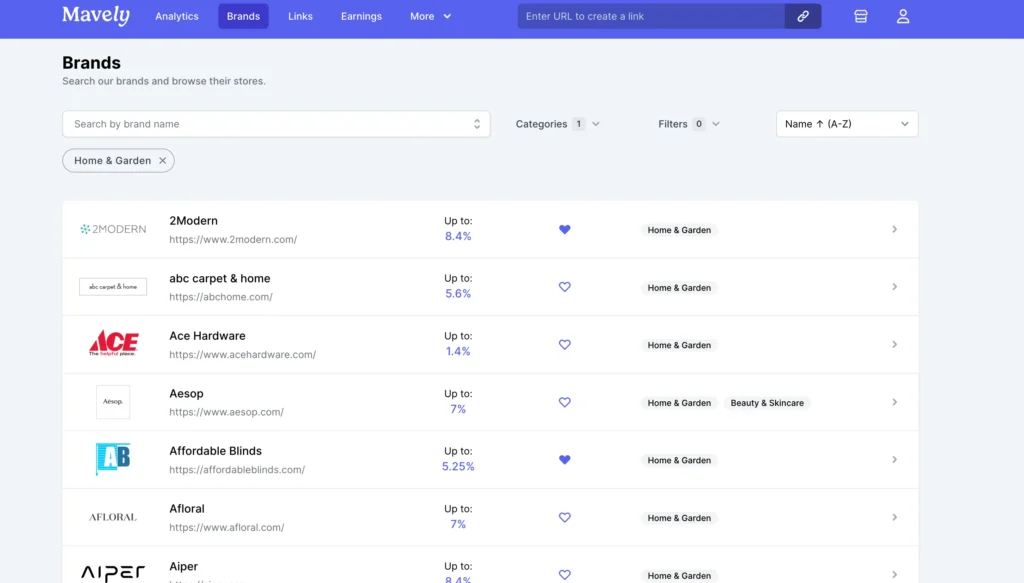
I love Mavely for affiliate linking because, hands down, it is the easiest platform to create affiliate links with. This affiliate platform has a Google Chrome extension that allows you to easily generate links with just a few clicks while on an eligible retailer’s website.
Another thing I love about this platform is the wide variety of brands you can source from. I use this platform to generate links from Samplize, Anthropologie Home, Wayfair, Joss & Main, Rugs USA, Umbra, Home Depot and many other brands.
This affiliate program is available for everyone to apply to. Once you make a sale, they will verify the transaction and may conduct an audit; however, this is common practice among affiliate programs.
I would say Mavely is the best platform to get started with if you are new to affiliate linking.
2. Amazon
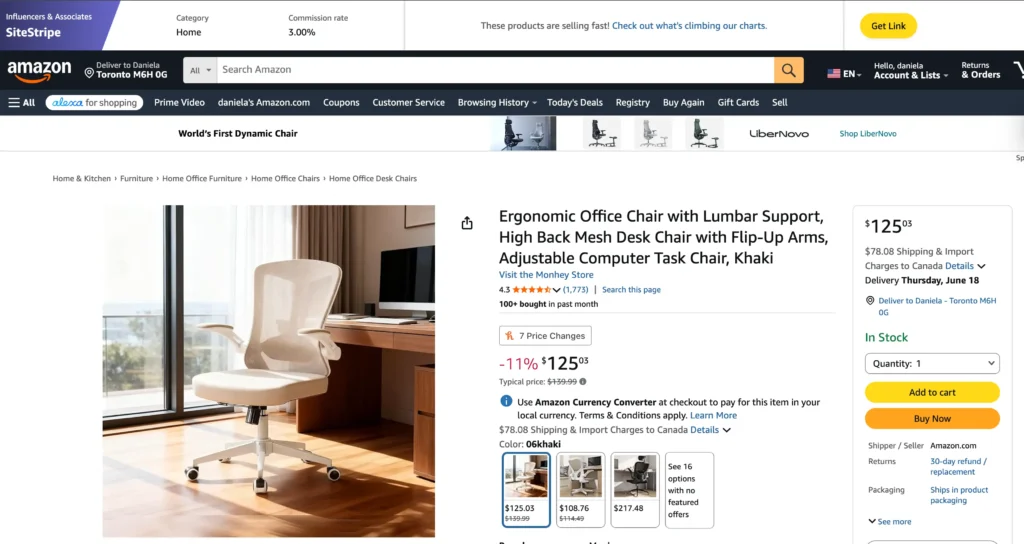
Amazon is another affiliate program that I love because, well, it’s Amazon. There are plenty of instances when interior designers need to source products from Amazon, so why not make a few extra dollars while doing so?
I love Amazon because their affiliate program has the ability to generate links across different countries, which is especially useful considering I work with clients all around the globe.
Because of this, Amazon is an essential affiliate program that interior designers should consider utilizing.
In terms of approval, it is a little more restrictive in the sense that you must generate a certain number of sales within a specified time period in order to maintain your account.
I actually had a bit of trouble getting my account approved initially. However, now that I have it set up, I love how easy it is to create affiliate links. I think it is a great option for interior designers, short-term rental designers, and anyone who regularly recommends products.
3. Impact
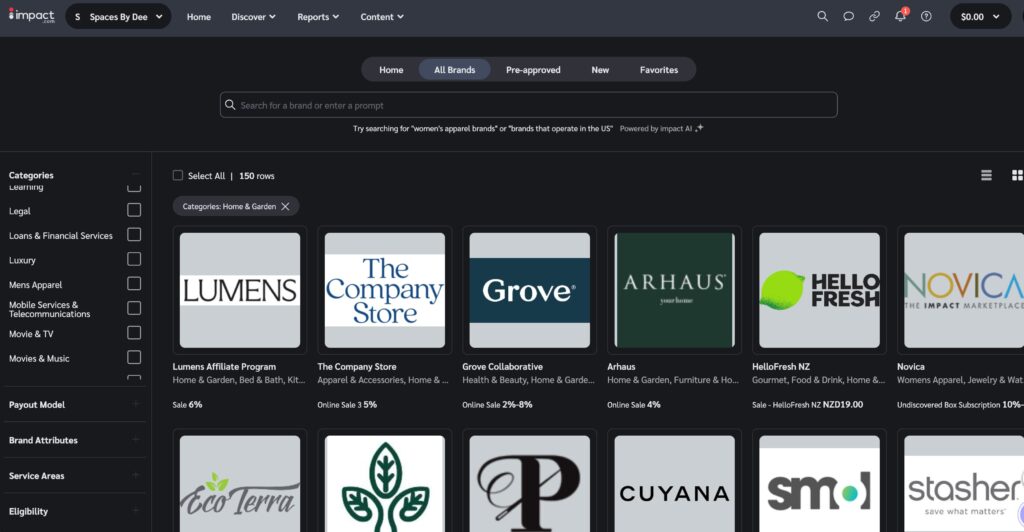
Impact Affiliate is another great platform for interior designers who are looking to recommend products from a variety of brands. They work with several notable brands, including Castlery, Lumens, Arhaus, Cozey, Crate and Barrel, Herman Miller, and many others.
The platform is fairly easy to navigate. However, I do find it a little more cumbersome than Mavely, as it does not currently offer a browser extension for quick link generation, and you do have to continually apply to the different brands within the platform itself to generate links.
So, although the approval process is a little tedious, I still think Impact is a great affiliate platform for interior designers.
Designers: Don’t leave money on the table…utilize affiliate links
Those would be my top three affiliate linking platforms for interior designers who are looking to get started. When considering ease of use, brand variety, and approval processes, these are all excellent tools that designers can utilize to generate additional income and maximize profitability—all without lifting a thumb when it comes to procurement.
The reality is that many interior designers are already recommending products every single day. Whether you’re creating mood boards, product lists, sourcing guides, or design presentations, you’re influencing purchasing decisions. If you’re not utilizing affiliate links, you could be leaving money on the table.
Click Here To Shop My Favourite Home Goods
Let’s design your space together, virtually.