How to Make a Living as a Remote Interior Designer
For many professionals, working remotely has become the ideal situation. During the pandemic, many experienced a glimmer of remote work, only to have back-to-office mandates take that flexibility away.
You may be one of those professionals — or perhaps you’re an interior designer looking to re-engage with this modern way of working and figure out how to trade long commutes for pajama pants and virtual meetings.
As you may have realized, this article is about remote work as an interior designer — something that once felt like a novelty, however, has quickly gained traction in the early 2020s.

The Rise of Remote Interior Design
Before technology advanced, the nature of interior design work was heavily paper-based and highly dependent on in-person interactions. Designers printed thick specification books, sourced furniture by visiting showroom after showroom, attended multiple site visits, and relied on hand drafting and sketches to communicate ideas. Remote interior design was hardly imaginable.
But as technology evolved, so did the interior design industry. The transition from hand drafting to AutoCAD, from hand sketches to SketchUp, from in-person furniture sourcing to online shopping, and from face-to-face meetings to Google Meet calls has completely transformed the profession. Today, remote interior design is not only possible — it’s a highly sought-after service.
Watch my webinar with DesignSpec to learn more about how I pivoted my design business online.
As a designer who pivoted her boutique interior design firm from a traditional, in-person model to operating 95% online, I know a thing or two about remote interior design and how designers can successfully land remote interior design jobs. Keep reading to learn how you can make the transition and thrive in this evolving industry.
Remote Interior Design Jobs
1. Offer Your Own E-Design Services
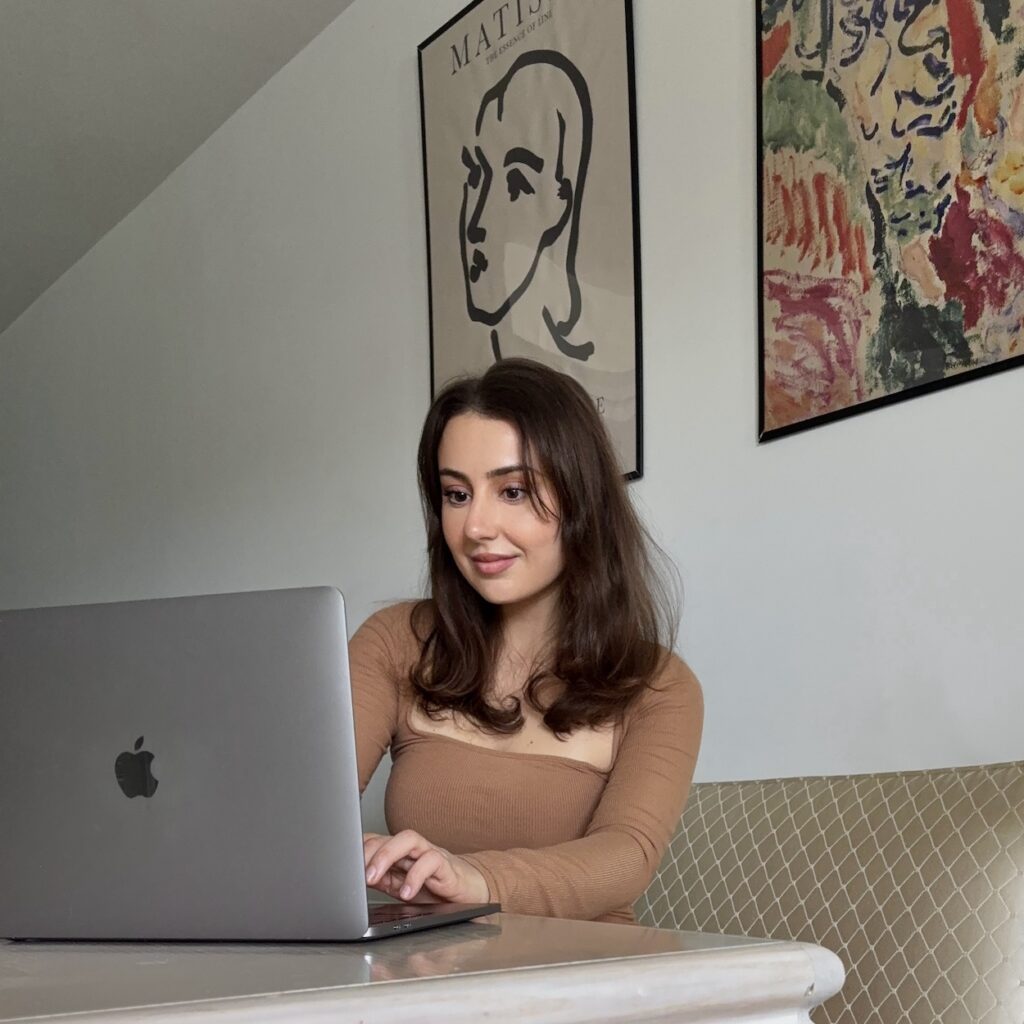
One of the best ways to generate substantial income as a remote interior designer is by offering your own e-design services. Whether you’re an established designer looking to expand beyond in-person projects or a newer designer wanting to break into the industry, e-design is an excellent way to enter the remote interior design space.
The real question is: how do you actually start offering remote interior design services?
The process is simpler than you may think. First, people need to be able to find you, and second, they need an easy way to book your services. This means establishing an online presence — whether through social media, a website, or both — and clearly communicating that you offer services beyond your local region.
If you already have a website, consider creating a dedicated e-design services page where potential clients can browse your packages, review deliverables, and book your services directly.
If you don’t yet have a website, platforms like DesignFiles can help you create professional e-design packages and booking links without needing a full custom website. These tools allow you to present your services professionally and streamline the client experience.
Once your services are set up, the next step is marketing them. Many e-designers have found success promoting their services through Instagram, Facebook groups, Pinterest, blogging, and even word-of-mouth within their local network. Consistently showcasing your work online can help attract clients from all over the world.
Read: How I Scaled My Online Business While Travelling The World
2. Havenly
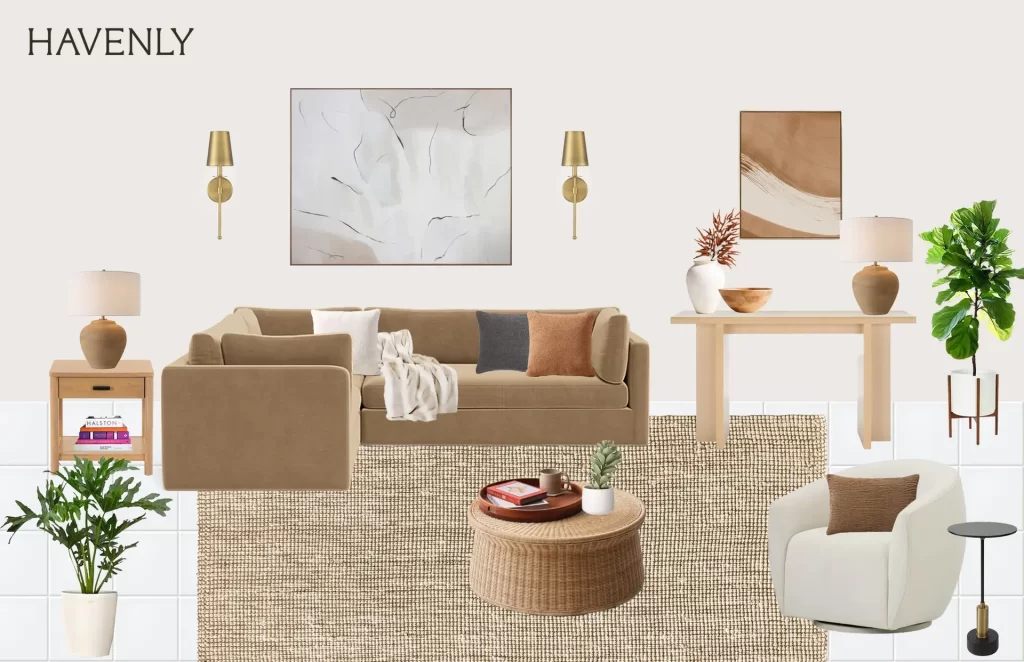
Havenly is an online interior design platform that hires designers to create fully remote e-design concepts for clients. As a designer, you’re matched with projects where you develop room designs virtually, including layouts, mood boards, and product selections, all delivered through a structured online workflow.
I’ve written about Havenly before on my blog, and I’ve even gone undercover and hired a designer through the platform myself. Based on that experience, I still stand by my conclusion that platforms like this often underpay designers and tend to attract less experienced talent.
That said, for designers who are looking to gain experience in remote interior design, build confidence working with virtual clients, or earn some additional income on the side, platforms like Havenly can be a useful starting point. They offer exposure to key parts of the e-design workflow — including virtual presentations, online sourcing, client communication, and managing projects remotely — before eventually transitioning into independent work.
Think of it as a stepping stone rather than a long-term career solution.
Read: Interior Designer Tries and Reviews Havenly: See The Results
3. Become a Virtual Interior Design Assistant
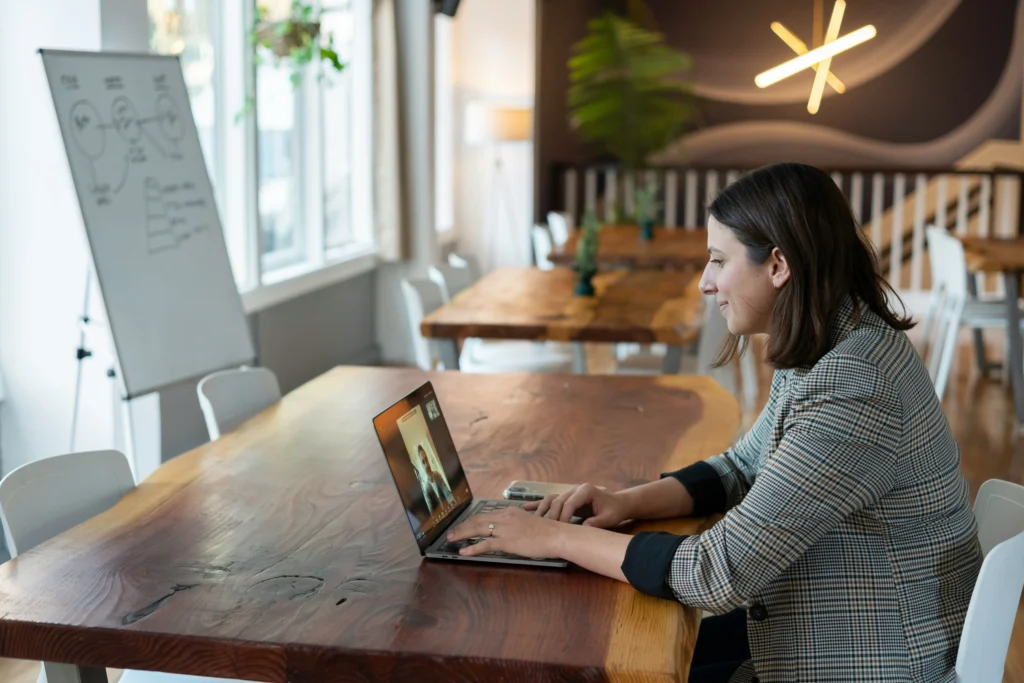
If you’re newly graduated or have little industry experience, becoming a virtual interior design assistant can be one of the best ways to learn the business. In fact, this is exactly how I started my own career, and it’s still one of the top paths I recommend to aspiring designers today.
Many interior designers are now open to hiring remote assistants to help with tasks such as:
- sourcing furniture and materials
- creating mood boards and presentations
- project management
- CAD drawings and renderings
- administrative support
- 3D modeling
- procurement and vendor communication
- millwork drawings and documentation
Designers who are highly organized and tech-savvy are especially valuable in today’s industry. While lead designers may focus on client meetings and site visits, virtual assistants often handle much of the behind-the-scenes work that keeps projects moving smoothly.
One of the best places to find these opportunities is within interior design Facebook groups and online design communities. Designers frequently post when they’re looking for remote support, making these groups a great resource for finding flexible remote work opportunities.
4. Affiliate Marketing for Interior Designers
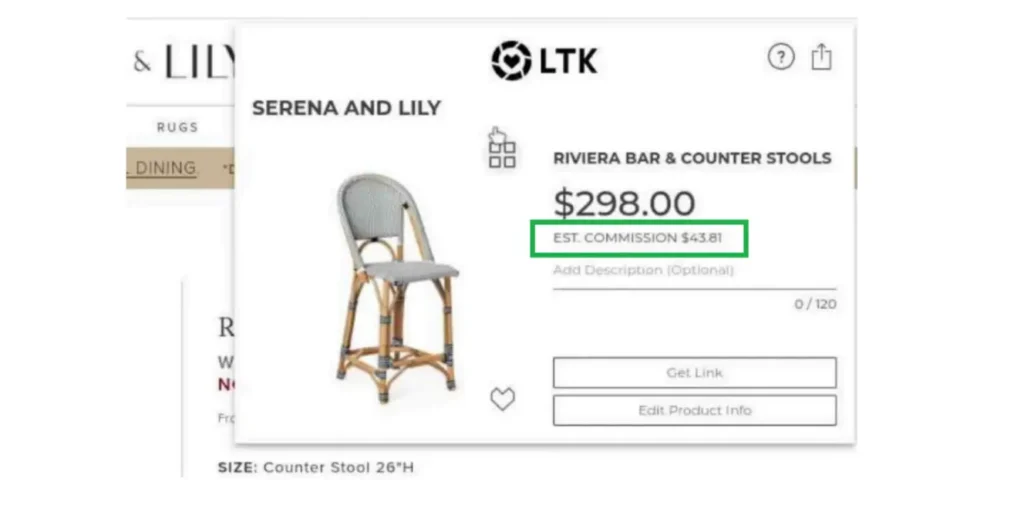
If you have an engaged social media following — or are willing to put in the work to grow one — affiliate marketing can become another stream of income within your interior design business.
This business model is less client-focused and more content-driven. Designers can create mood boards, furniture roundups, styling inspiration, or home decor content and earn commission through affiliate links when followers purchase products.
Platforms like Instagram, Pinterest, TikTok, and blogs are especially effective for affiliate marketing in the interior design niche. By consistently sharing curated products and inspiration, it’s possible to generate passive income over time.
While this path does require audience-building and content creation, it can pair extremely well with remote interior design services and help diversify your income as a designer.
5. Short-Term Rental Designer
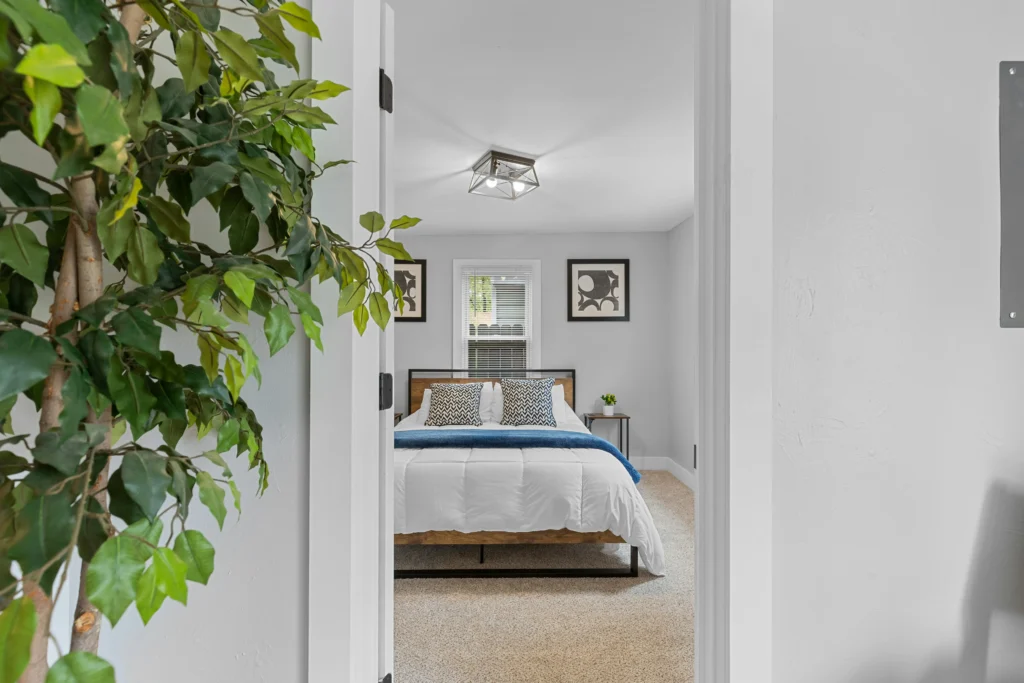
One of the fastest-growing niches within remote interior design is short-term rental design.
Many Airbnb owners, real estate investors, and home flippers are more comfortable hiring remote designers because these projects tend to be less personal than designing someone’s forever home. Clients are typically looking for stylish, functional, and marketable spaces that appeal to guests rather than highly customized designs tailored to personal taste.
Because of this, remote design services are often a perfect fit.
Short-term rental clients usually value:
- quick turnaround times
- cohesive and visually impressive designs
- easy-to-source furniture selections
- affordable implementation
- strong visual appeal for listing photos
This makes the service highly scalable for remote designers. Since many investors are furnishing properties in different cities or states, they are often completely comfortable working virtually with a designer who can deliver organized design plans online.
If you’re looking to expand your remote services, short-term rental design is absolutely a niche worth considering.
Remote Interior Design Is No Longer the Future, It’s Happening Now
Remote design for interior designers is still relatively new, but it is rapidly evolving into a legitimate and in-demand way of working as technology continues to advance.
Tools like LiDAR scanning for accurate remote site measurements, AI-assisted design workflows, and cloud-based collaboration platforms are closing the gap between physical presence and virtual execution. What once required being on-site can now be completed — or at least initiated — entirely online, without sacrificing precision or design quality.
As these technologies become more accessible, remote interior design is shifting from a niche offering into a viable career path for designers at all stages.
If you’re an interior designer looking to build a more flexible, location-independent career, consider exploring the following five opportunities. They can help you step into the world of remote design, grow your skill set, and ultimately build a business that allows you to travel and work from anywhere — just as I did.
Read: The Future of Interior Design in a Tech-Driven World
Click Here To Shop My Favourite Home Goods
Let’s design your space together, virtually.