7 Lessons I Have Learned From Being an Interior Designer
I enjoy what I do, but I think there is a lot of naivety when it comes to everything that actually goes into an interior design project.
When I first came into the industry at the tender age of 21, I was naive as well. I came in with passion and zeal, and then I was met with the reality of actually working as an interior designer — which is not always as pretty as the final photo.
And don’t get me wrong, this isn’t to say that the job isn’t fulfilling or that I don’t enjoy it. It is simply to shed some light on everything I have had to learn along the way while working in the industry.

So, if you are someone who is considering entering the interior design industry, keep reading. I’m going to share some insight into the not-so-fabulous parts of the job and a few of the biggest lessons I have learned throughout my career.
1. Good Design Is One Thing, Pleasing Clients Is Another

I came into this industry because I knew I possessed a talent and taste that allowed me to envision rooms completely redesigned.
I ran with that talent and continued sharpening my design skills, so I could eventually monetize what I was naturally good at.
The thing is, being able to design well is very different from being able to satisfy clients.
And this was one of the harsher realities I had to sit with.
Working with different clients meant I had to learn how to tap into what they liked and what would make them happy, while also keeping in mind that I was putting my name on the project and wanted to establish some level of my own design taste and point of view within the space.
Working with people is an entirely different skill set.
It requires you to manage expectations, communicate in a way that actually reaches the client, understand what they are trying to say even when they may not have the design vocabulary to explain it, and ultimately create an experience that leaves them satisfied.
So, although I knew how to design, there were other skills I needed to build.
That included the way I communicated, how I carried myself professionally, how I presented my ideas, and how I learned to sell my vision while still making the client feel as though their taste and preferences were steering the design.
There is no exact formula for learning how to do this.
It is something I have learned over time through working with different clients, making mistakes, navigating difficult situations, and simply building my skills as a professional.
And honestly, it is something I still have to constantly work on.
With every different project and client comes a different personality, different tastes, different expectations, and a completely different dynamic.
One of the most important things I have learned is how important it is to properly vet clients before working with them.
My Advice
Vetting clients looks a lot like going on first dates.
You need to see if there is natural chemistry, whether you communicate well, and whether there is a shared vision for how the process should work.
From there, you can determine if the relationship is actually worth pursuing.
I have learned the hard way that when I go against my gut instinct and work with clients who are not fully aligned with the way I like to work, it creates friction and ultimately tends not to be worth the effort.
Not every client is meant for every designer, and that is okay.
2. Being an Interior Designer Means a Lot More Admin Work Than I Expected

When people think about a career in interior design, they often imagine all of the fun and creative parts.
They picture endless showroom visits, looking through beautiful finishes, sourcing furniture, shopping, choosing fabrics and pulling together beautiful rooms.
Basically, all of the fun stuff.
What they don’t necessarily realize is how much administrative work sits behind all of that.
There is a lot of paperwork and organization involved in interior design.
You may be creating schedules, communicating with clients, vendors and trades, sending purchase orders, reviewing quotes, tracking orders, following up on deliveries, creating invoices, updating specifications and documenting decisions.
There is naturally a lot of time spent sitting at a computer doing tasks that are not particularly creative and, honestly, can be very tedious.
Of course, there is now plenty of software available that can help with the administrative side of interior design.
I use technology heavily in my own work, and there are certainly platforms that make the process easier.
But that doesn’t mean all of the admin magically disappears.
There are simply too many moving pieces in an interior design project.
Someone still needs to log information, track it, update it, follow up on it and, sometimes, email the same sales rep five times to get an answer.
That is part of the job.
3. Interior Design Involves A Lot of Trade Management
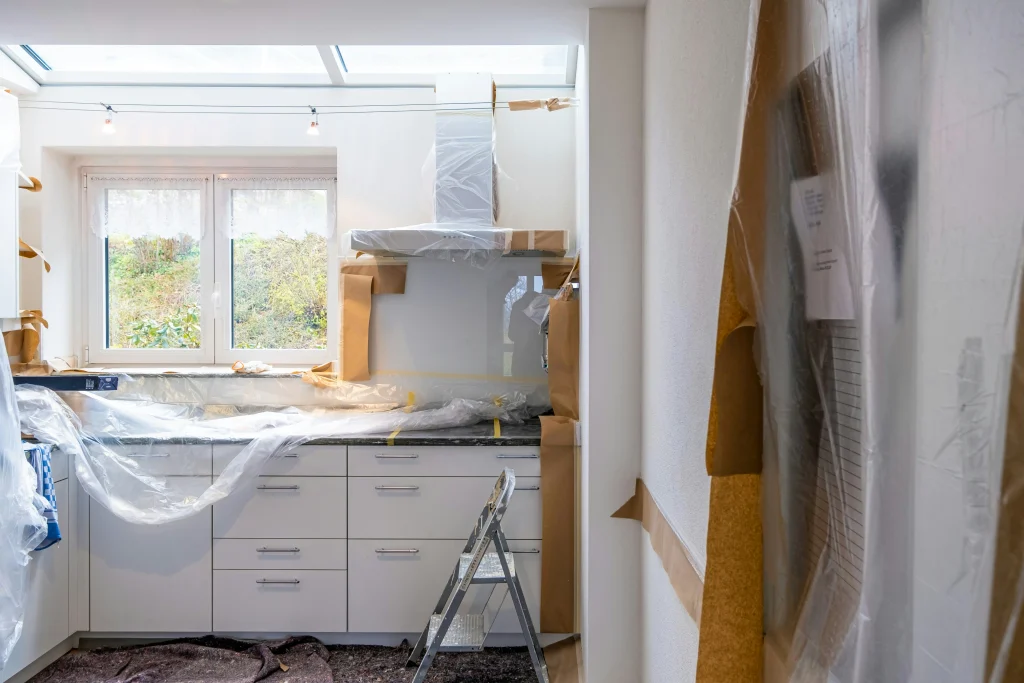
There was a point in my career when interior design started to feel much more like people management and project management than anything creative.
When you are working on renovation projects, your role as the designer can also include coordinating, scheduling and managing trades.
And honestly?
It is not always fun.
Managing grown men was never exactly something I imagined myself doing when I decided I wanted to become an interior designer.
In fact, this is one of the reasons I eventually moved away from trying to scale my full-service interior design practice and shifted more toward virtual design services.
When you work on renovation projects, there are a lot of people involved in bringing your design to life.
Contractors.
Electricians.
Plumbers.
Painters.
Millworkers.
Flooring installers.
Tile setters.
AV teams.
Delivery teams.
And the list goes on.
You may create a beautiful design, but ultimately, you are relying on other people to execute it.
And when trades fall short, it is not uncommon for the client to look to the designer for answers.
Sometimes the designer becomes the punching bag for problems that they didn’t necessarily create.
I often vent to fellow interior designers about how frustrating it can be dealing with the shortcomings of trades, and they absolutely feel my pain.
It can be difficult to take accountability for and stand behind someone else’s work, especially when you are first starting out, and you haven’t yet built a network of trusted trades that you know can consistently deliver.
You are putting your reputation on the line by trusting other people to bring your vision to life in a way that satisfies both you and your client.
And sometimes, that goes sideways.
I have seen it happen more than once.
To me, this is by far one of the most stressful parts of the job.
Hiring the wrong trade can cost you money, time, energy and plenty of nerves while you try to rectify issues that have come up on site.
No one really warned me about how challenging this side of interior design could be.
4. Interior Design Is Also Sales and Project Management

While interior design is obviously a creative field, I also see it as being heavily rooted in sales and project management.
You are constantly selling.
You are selling yourself.
You are selling your vision.
You are selling products.
You are selling your process.
You are selling your recommendations.
And sometimes, you are selling a client on an idea they didn’t initially understand but that you know will ultimately make the space better.
Being able to design something beautifully is one skill.
Being able to communicate why your idea works and get your client to trust you enough to move forward with it is another.
You are also constantly managing moving pieces.
That could include creating design documents, scheduling meetings, answering client questions, coordinating timelines and navigating all of the different parties involved in the project.
Depending on the project, that might include trades, custom furniture makers, product reps, vendors, delivery teams and installers.
Everyone is relying on you for information.
Clients want updates.
Trades need decisions.
Vendors need approvals.
Someone needs to make sure the right item was ordered.
Someone needs to notice that the delivery date changed.
Someone needs to catch that the tile quantity is wrong.
And when something inevitably goes wrong — because, to some degree, something usually does — people look to you to find a solution.
That is project management.
A huge part of being a successful interior designer is being able to manage all of those moving pieces while still maintaining the overall vision for the project.
5. You Have to Learn How to Solve Problems Constantly
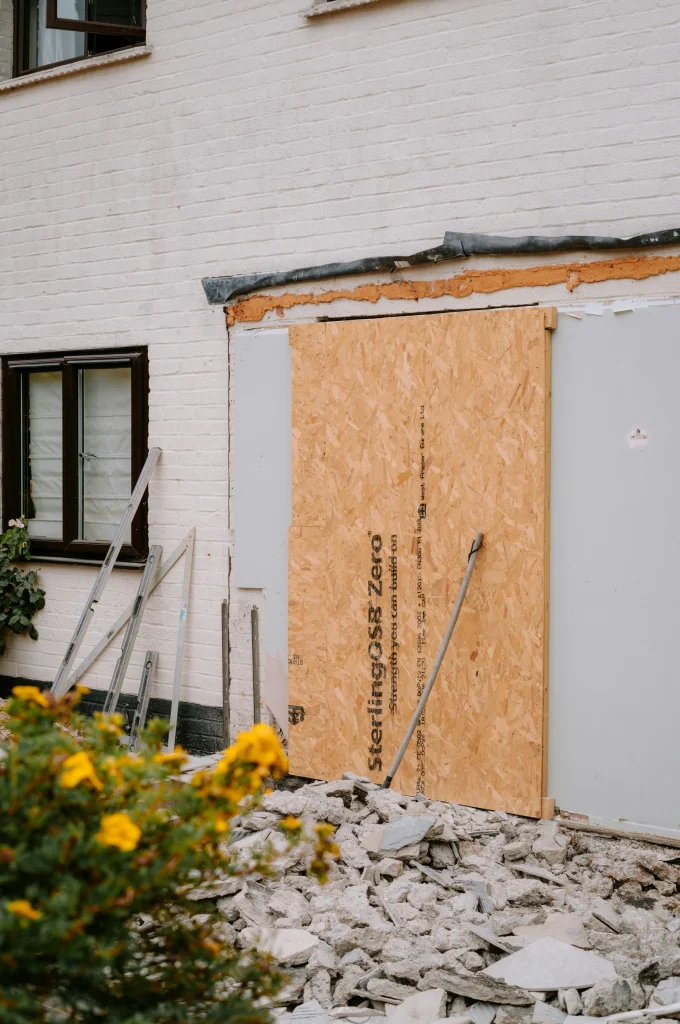
Another thing I didn’t fully appreciate when I first entered the industry is how much of interior design is really just problem-solving.
Something doesn’t fit.
An item is discontinued.
A shipment is delayed.
The contractor opens a wall and discovers something unexpected.
The client changes their mind.
The sofa doesn’t fit through the door (rookie mistake).
The tile that looked beige in the showroom looks completely gray once it arrives on site.
The millworker interprets something differently than you intended.
The light fixture is backordered for four months.
These things happen.
And when they do, you need to figure out what the next best solution is without compromising the overall design.
Sometimes the best design decisions actually come from working around a problem.
You start with Plan A, Plan A becomes impossible, and somehow Plan B ends up being better anyway.
But getting to that point requires you to stay calm, think quickly and be adaptable.
And when you are dealing with a client’s home and their money, there can be a lot of pressure attached to those decisions.
6. Being a Good Designer Also Means Knowing When to Push Back
Agreeing with everything a client asks for isn’t necessarily good service.
Sometimes a client will suggest something I don’t think will work, and your job as a designer is not to agree with everything a client says.
Clients are hiring a designer because they want expertise.
A good designer should know when to say:
“I understand why you’re thinking that, but here is what I would recommend instead, and for XYZ reasons.”
7. You Need a Thick Skin
Interior design is personal.
For both the designer and the client.
You may spend hours developing an idea that you are genuinely excited about, only to present it and have the client say they do not like it.
That can sting.
Especially when you are new.
You have to learn not to take every piece of feedback personally.
Click Here To Shop My Favourite Home Goods
Let’s design your space together, virtually.