Decor Basics, A Simple Guide to Decorating your Home
Decorating your home is an exciting, fun and creative process that allows you to infuse your personality into your living spaces. Whether you’re moving into a new home, redecorating an existing space, or just looking to refresh your surroundings, the art of decorating can be both fulfilling and transformative. In this quick and simple guide, we’ll explore various aspects of decorating, from understanding your personal style to practical tips on creating a harmonious and aesthetically pleasing environment.
AVOID COSTLY (AND UGLY) DESIGN MISTAKES
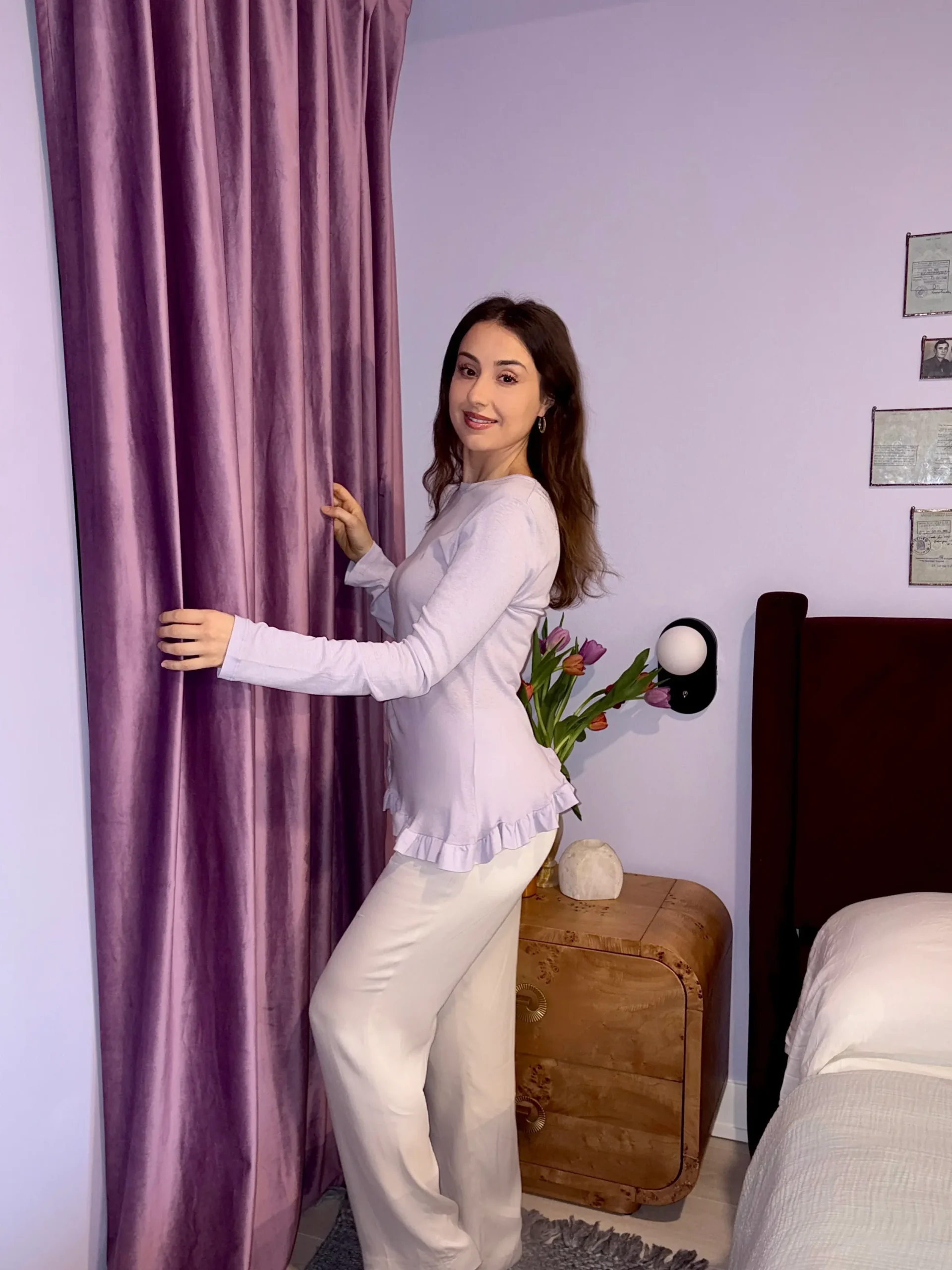
Decorating and clutter do not mix
The first step to decorating is actually to declutter. Some of you don’t want to accept that. But how are you supposed to decorate when you have piles of useless cr*p everywhere?! Decorating and clutter do not mix.
Read Declutter Your Mind By Decluttering Your Home.
A well-decorated space is not just about aesthetics, but also about functionality and cleanliness. Adequate storage is essential to maintain a clutter-free environment. Invest in stylish storage solutions that complement your decor while serving a practical purpose. Consider multifunctional furniture pieces, built-in shelving, and decorative baskets or bins to keep your belongings organized and out of sight.
Your personal style is timeless
The first step in the decorating journey is to understand your personal style. Your home is an extension of yourself, and the decor should reflect your taste and preferences. Instead of focusing on interior design trends and fads, why not decorate for your own personal taste and satisfaction. After all, it is YOUR home. Make it feel like it. As a designer, I’ve let go of the desire to tailor my interiors to trends and instead embrace designing and decorating in a way that truly speaks to the client’s own personal style.
Take some time to explore different design styles – modern, traditional, eclectic, minimalist, etc. – and identify elements that resonate with you. Consider factors such as colour schemes, patterns, and textures that appeal to your senses. Creating a mood board or a Pinterest board can help you visualize your preferences and pinpoint your unique style. Read What Is My Home Decor Style?
As your lifestyle evolves, so too should your home decor style. Embrace the idea of change and be flexible in your approach to decorating. Your preferences may shift over time. Instead of adhering strictly to a particular style, allow your home to grow with you. Consider incorporating timeless elements that can serve as a solid foundation, while also leaving room for updates and adjustments as needed.
Read How To Create A Timeless Interior That Never Goes Out Of Style.
Colour (don’t be afraid)
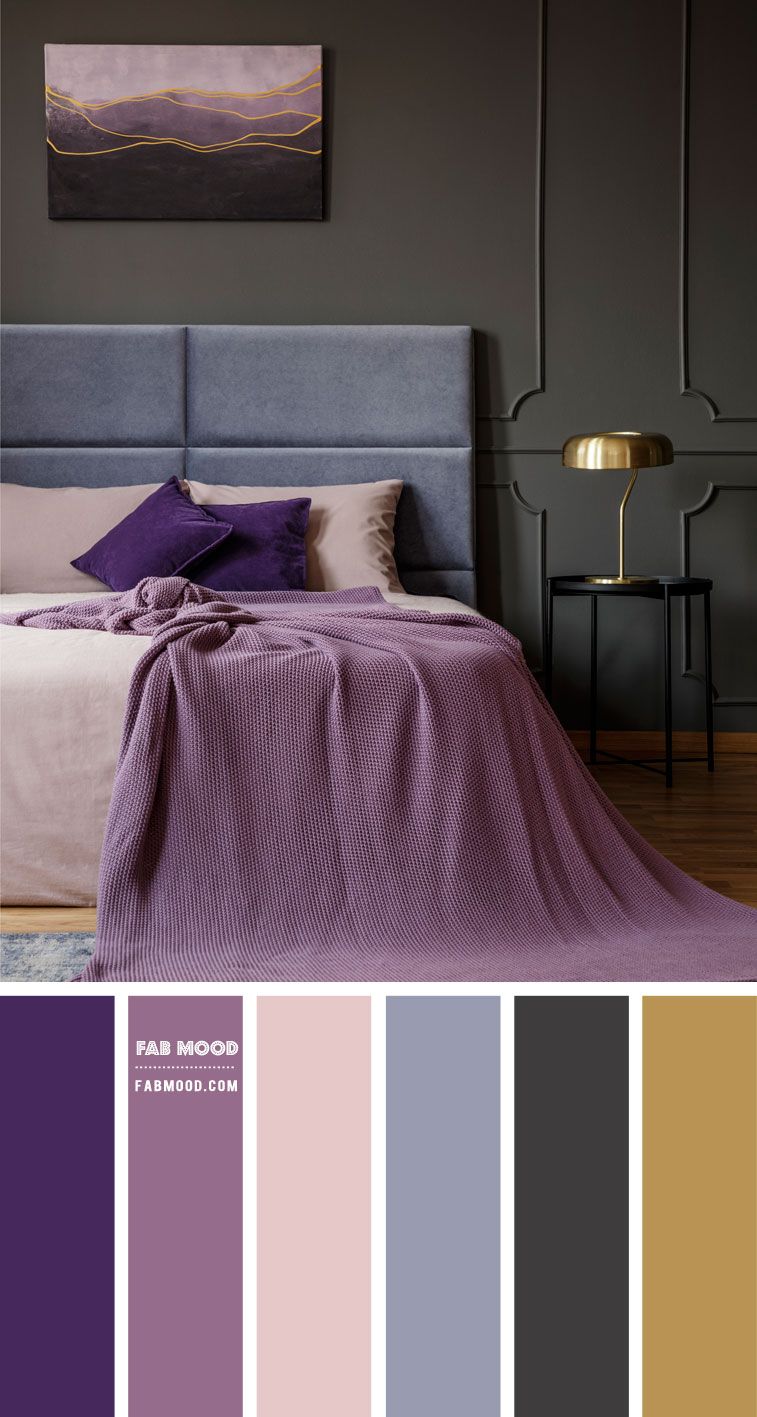
One of the most powerful tools in decorating is the use of colour. Colours have the ability to evoke emotions, set moods, and create a cohesive atmosphere in your home. Start by choosing a colour palette that aligns with your personal style and the function of each room. For example, calming blues and greens are perfect for bedrooms, while vibrant yellows and reds can add energy to a living room. Consider incorporating a mix of neutral tones to create balance and prevent the space from feeling overwhelming.
Don’t be afraid of colour.
One of my clients asked me the other day, “why do you think people are afraid of incorporating colours into their interiors?”
My answer to that is: I think people are afraid of looking immature and unpolished. For some reason, people associate neutral colour palettes with sophistication. So, they associate colour (especially bold colours) with the opposite. Which, is a silly concept. But, people are silly. So, there’s that.
But I promise, colour is worth adding. Colour takes interiors to the next level. A level where 1 million greige tones cannot.
Furniture arrangement and layout
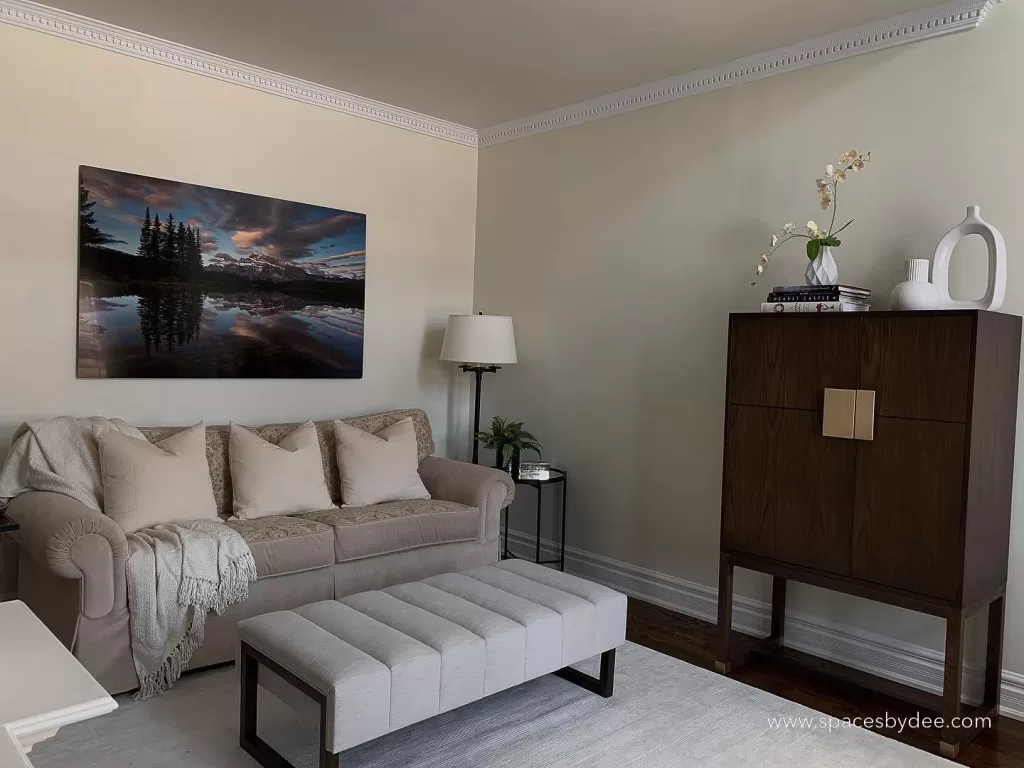
Once you have a clear vision of your style and colour scheme, it’s time to consider the layout of your space. Take into account the size and shape of your rooms, as well as the placement of windows and doors. Arrange furniture in a way that promotes flow and functionality. Avoid overcrowding the space, and be mindful of creating conversation areas in communal areas. Experiment with different furniture arrangements until you find a layout that suits both the aesthetic and practical needs of your space.
Accessorizing with purpose
Accessories are the finishing touches that elevate your decor to the next level. They add personality, depth, and a sense of completeness to your space. Consider incorporating a mix of decorative items such as throw pillows, rugs, artwork, and plants. These elements not only contribute to the overall aesthetic, but also allow you to showcase your personality. Be mindful of balance – too many accessories can clutter a space, while too few may make it feel stark and impersonal.
DIY projects and personal touch
Injecting your own personality into your home goes beyond store-bought items. Embrace the world of do-it-yourself (DIY) projects to add a personal touch to your decor. Whether it’s creating custom artwork, repurposing old furniture, or crafting unique decor items, DIY projects allow you to express your creativity and make your space truly one-of-a-kind. Consider involving family members or friends in these projects to create shared memories and a sense of collaboration.
Lighting: a key decorating element
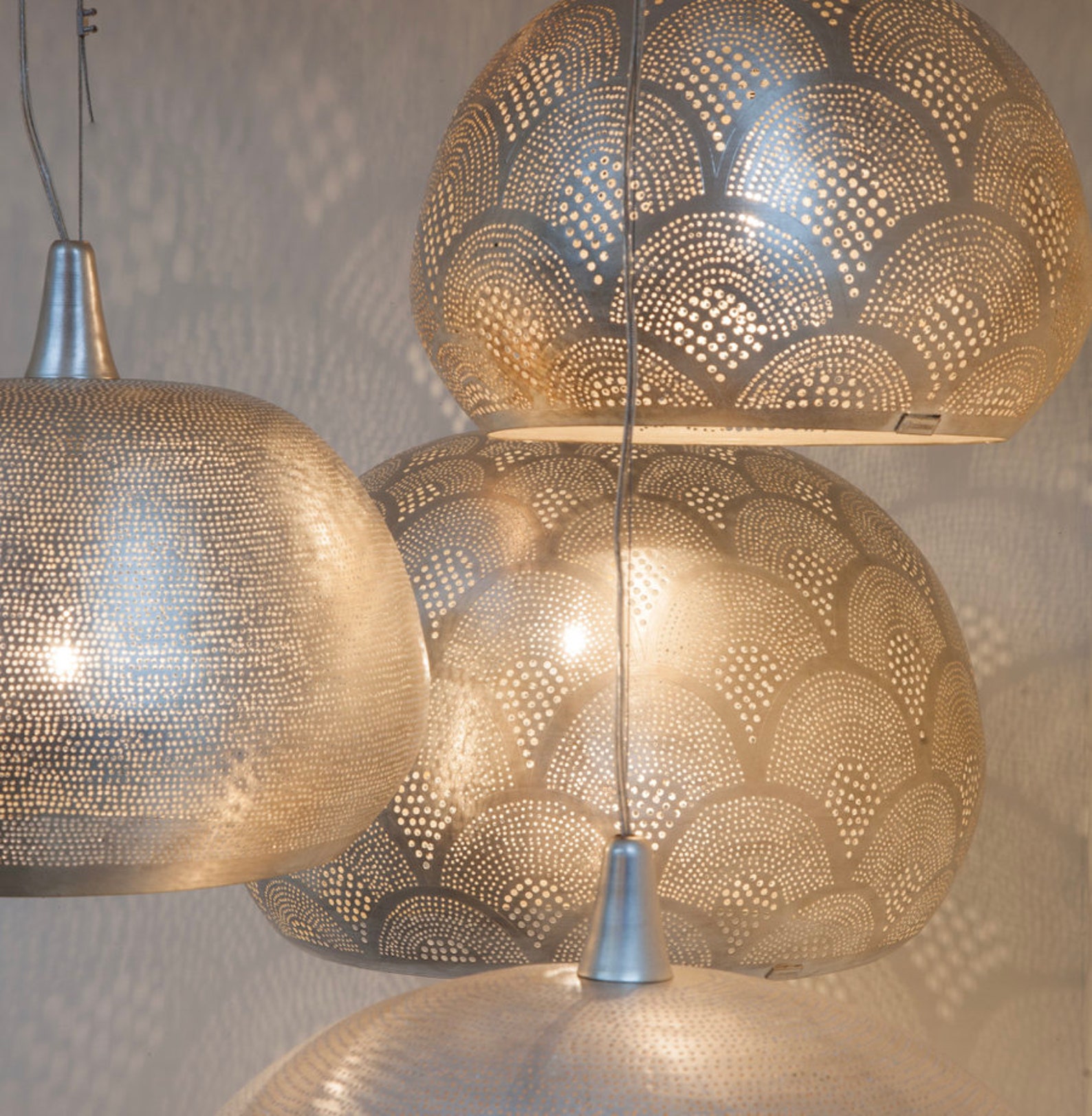
Lighting is a crucial but often overlooked aspect of decorating. Proper lighting can enhance the mood of a room, highlight key features, and create a warm and inviting atmosphere. Experiment with a combination of ambient, task, and accent lighting to achieve a well-balanced and functional setup. Consider the use of floor lamps, table lamps, pendant lights, and wall sconces to create layers of lighting that suit different activities and times of day.
Bringing the outdoors in
Nature has a calming and rejuvenating effect, and incorporating natural elements into your decor can enhance the overall ambience of your home. Consider adding indoor plants to your space, introducing natural materials like wood and stone, and maximizing natural light. Not only do these elements contribute to the aesthetics, but they also promote a sense of well-being and connection to the outdoors.
Read Bringing the Outdoors In: How To Draw Inspiration From The Outdoors In Interior Design.
The decorating journey
Decorating your home is a dynamic and personal journey that allows you to express yourself and create a space that truly feels like home. By understanding your personal style, choosing a harmonious colour palette, and paying attention to layout and functionality, you can transform any space into a reflection of your unique taste and lifestyle. Incorporating DIY projects, lighting considerations, natural elements, and smart storage solutions will further enhance the overall aesthetic and functionality of your home. Remember, the key to successful decorating is to enjoy the process and allow your home to evolve with you over time. Happy decorating!
Let’s design your space together, virtually.