Balance: the Key to Good Interiors
One of the principles of design is balance. I would argue that balance might be the most important principle of design. Without proper balance, an interior can just feel off, seemingly for no apparent reason to the untrained eye. As a designer, I immediately notice when the balance in a space is off. In interior design, achieving balance is akin to finding the perfect equilibrium between various elements within a space. Balance plays a pivotal role in creating harmony and visual appeal. You may be wondering; what is balance, and how do I know if my interior is balanced? Keep reading.
AVOID COSTLY (AND UGLY) DESIGN MISTAKES
What is balance when it comes to interior design?
We can also say that balance is key to life. Personally, I’ve had to navigate the art of balancing various aspects of life, from running a business to staying fit and finding time to relax. Life often feels like a juggling act.

Interior design mirrors this delicate balancing act. Initially, it involves defining the desired ambience or purpose of a space. Then, it’s about meticulously harmonizing all the elements to realize that vision. When it comes to interiors, numerous factors come into play, including furniture, artwork, colours, textures, patterns, negative space, and placement. It’s a multifaceted process that requires careful consideration of every detail. I can come up with many analogies for interior design process. Another, being that interior design, is like reading a book or baking a cake. When reading a book, much like walking through a home, you are putting together the pieces of the puzzle that make up the story of one’s home. When baking a cake, much like putting a together a space, the right amount of everything is crucial to achieve the perfect outcome.
I could go on and on with different analogies between interior design and other things in life. But, back to the topic.
Visual stability
Balance in interior design refers to the distribution of visual weight within a room. Just like a balanced diet promotes overall well-being, visual balance ensures that no single element overpowers the others. This can be achieved through symmetrical or asymmetrical balance.
Symmetry
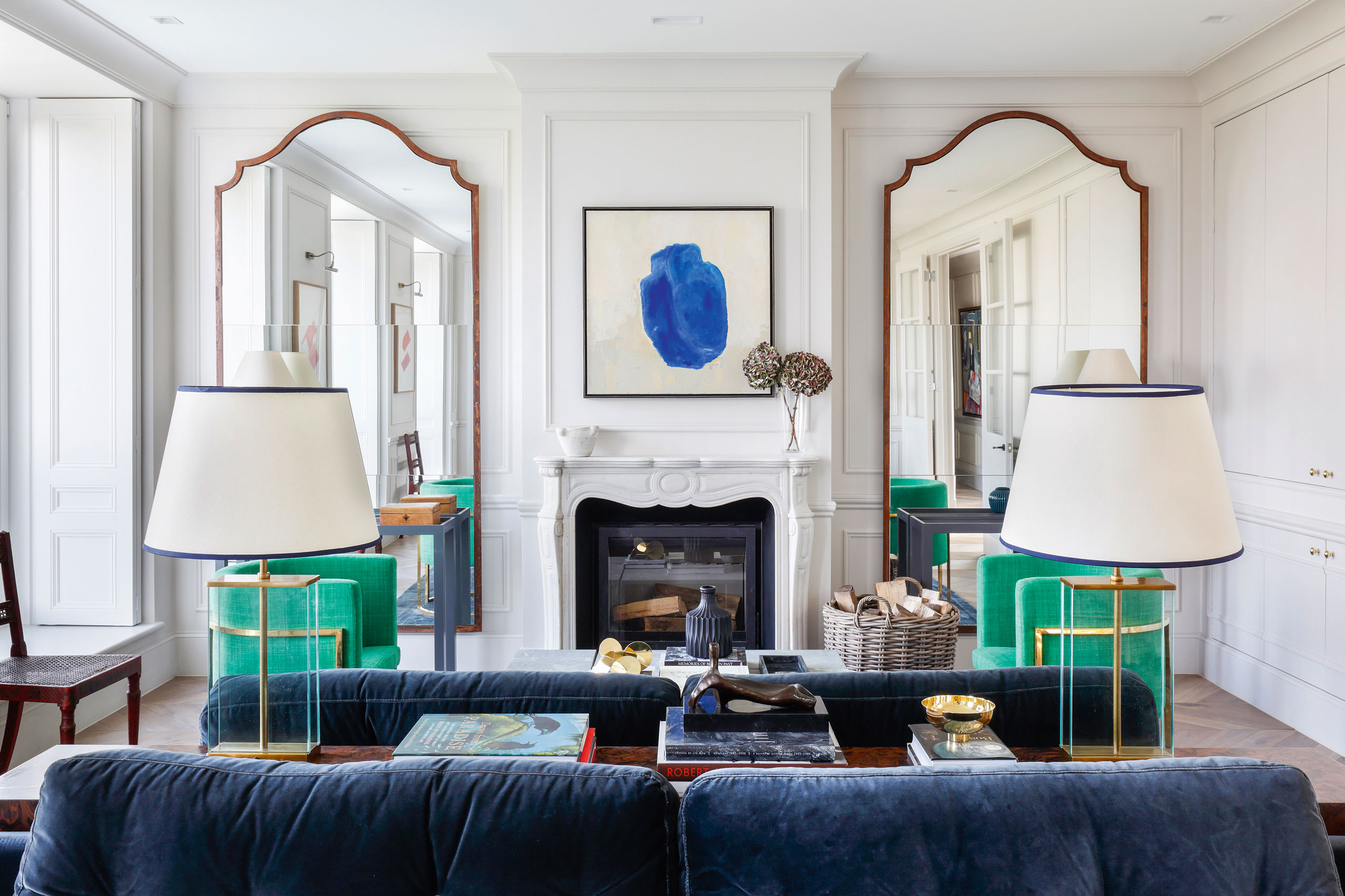
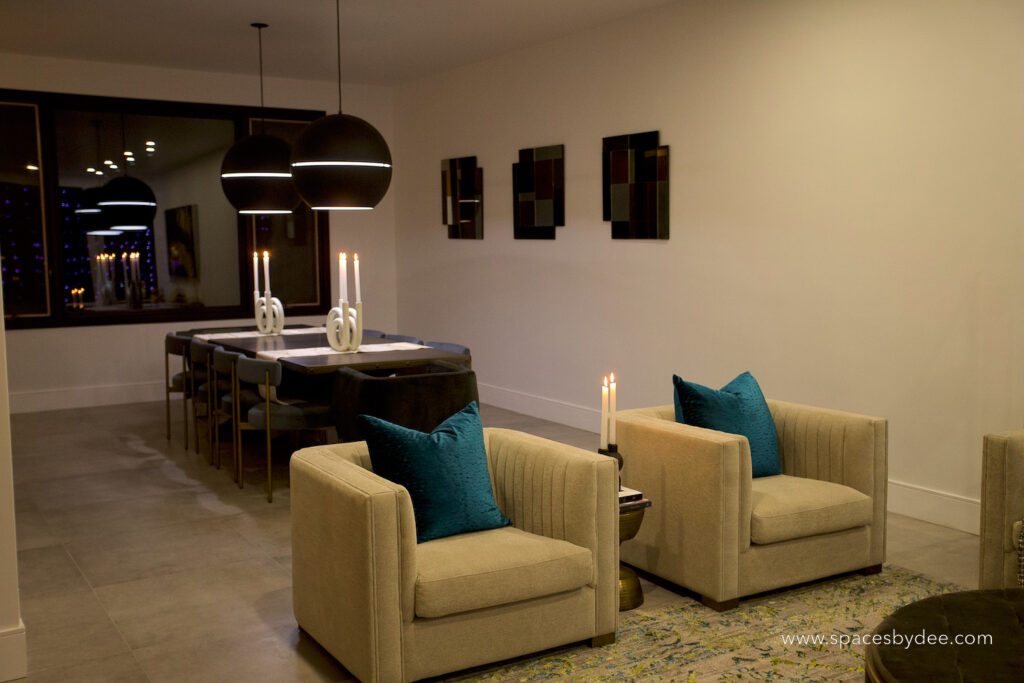
- Symmetrical balance: This involves mirroring identical elements on either side of a central axis, creating a sense of formality and order. For example, matching sofas flanking a fireplace or identical artwork hung on either side of a bed.
- Asymmetrical balance: In contrast, asymmetrical balance involves arranging different elements of varying visual weight to achieve equilibrium. This approach often feels more dynamic and casual, relying on contrast and careful placement rather than strict symmetry.
Personally, I think asymmetrical balance is more desirable and achievable than perfect symmetry. Typically, most interiors by nature are not symmetric. So, achieving perfect symmetry is usually not possible and honestly, I don’t find it that desirable anyhow. Perfect symmetry is kind of boring. Thoughtful asymmetrical balance is interesting and dynamic.
Balance colours and textures
Colour and texture are powerful tools in interior design, and achieving balance with these elements is crucial for creating cohesive spaces. A well-balanced colour scheme can evoke specific moods and enhance the overall atmosphere of a room.
- Tone and hue: Balancing light and dark tones, as well as warm and cool hues, can prevent a space from feeling too overwhelming or too stark. Introducing accent colours in moderation can add visual interest without overpowering the overall colour palette.
- Texture: Mixing textures, such as smooth surfaces with rough ones or soft fabrics with hard materials, adds depth and tactile appeal to a room. Balancing textures ensures that the space feels inviting and visually engaging without appearing cluttered.
Scale and proportion
The most common mistake I see people make in their homes is; that their pieces are not scaled proportionally to the space. Meaning, the rug is too small, the curtains aren’t long enough, the sofa is too big…the list goes on.
Here is an example of an unbalanced space, mostly due to the rug and coffee table being too small:
Oversized or undersized pieces can disrupt the visual balance and make a room feel awkward, smaller, disjointed and uncomfortable.
To avoid the mistake of purchasing the wrong size furniture pieces, make sure to create a to-scale floor plan and read some design blogs, at the very least. Or just hire me.
Achieving balance in scale and proportion is essential for ensuring that furniture and decor elements relate harmoniously to one another and the overall space.
Tips and considerations for scaling to achieve balance
- Furniture placement: Arranging furniture in a way that respects the scale of the room and leaves adequate space for circulation is key. A balanced layout allows for comfortable movement and promotes a sense of openness.
- Decorative accents: Balancing the scale of decorative accents, such as artwork, lighting fixtures, and accessories, helps maintain visual harmony. Grouping smaller items together or incorporating a statement piece can add focal points without overwhelming the space.
Embracing contrast
Contrast is another essential element in achieving balance within interior design. By juxtaposing elements with opposing qualities, such as light and dark, soft and hard, or old and new, one can create visual interest and depth.
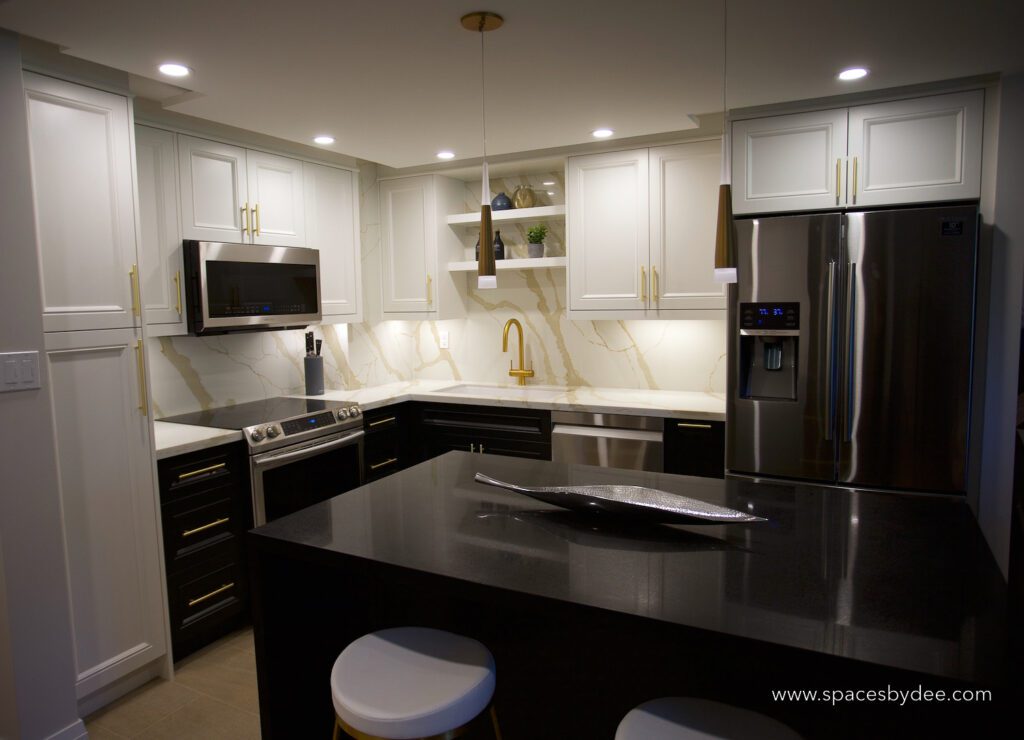
- Light and dark: Balancing light and dark tones adds drama and dimension to a space. For example, pairing light-coloured walls with dark furniture or vice versa can create a striking contrast that draws the eye.
- Modern and traditional: Combining modern furnishings with traditional architectural features or vice versa can create a dynamic interplay between past and present, adding layers of visual intrigue to a space. P.S. This is my favourite look!
Balance is the key to creating an interior and life
Balance is the cornerstone of successful interior design. Whether through symmetrical or asymmetrical arrangements, harmonious colour schemes, well-proportioned furniture, or judicious use of contrast, achieving balance ensures that a space feels cohesive, inviting, and visually appealing. By understanding and applying the principles of balance, designers and average folks can create spaces that not only look beautiful, but also feel comfortable and harmonious for those who inhabit them.
Let’s design your space together, virtually.