What Is Midimalism? + How To Achieve This Design Style
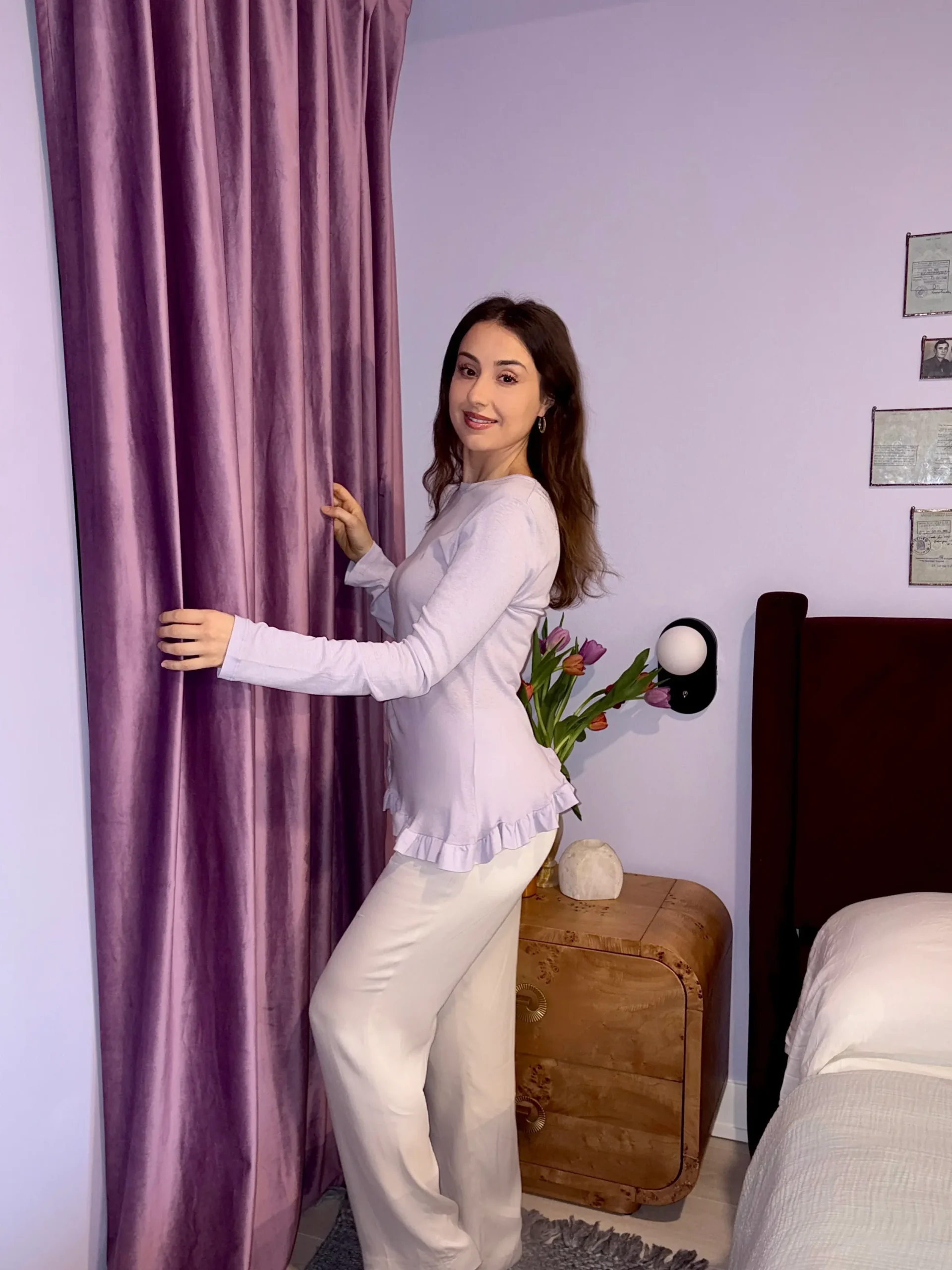
I finally figured out the word to describe my own interior design style: Midimalism. The cross between maximalism and minimalism.
While decorating my own condo, I spent a lot of time thinking about my personal design style. As a designer, you’d think I would have had this figured out already. But the truth is, my design taste has continued to evolve over the years.
As I was designing my own space, I kept coming back to one idea: less, but greater impact. I wanted every design choice to make a statement, while still leaving plenty of breathing room. I intentionally avoided over-decorating because functionality is just as important to me as aesthetics.
Looking around my condo now, I’d say the design packs a punch without feeling overwhelming. There are bold, sculptural moments, but they’re balanced by negative space and restraint.
When I came across the term Midimalism, it immediately resonated with me. It’s the perfect middle ground between minimalism and maximalism, and it describes exactly how I like to design.
AVOID COSTLY (AND UGLY) DESIGN MISTAKES
Midimalism about decorating with fewer pieces, but ensuring the pieces you do bring into a space are impactful enough that you don’t feel like you’re missing anything. Rather than filling a room for the sake of filling it, Midimalism is about choosing statement pieces that create interest without overwhelming the space.
If you’re intrigued by decorating in a Midimalist style, keep reading. We’ll explore what this interior design style is, how it differs from maximalism and minimalism, and how you can achieve it in your own home.
What Is Midimalism?
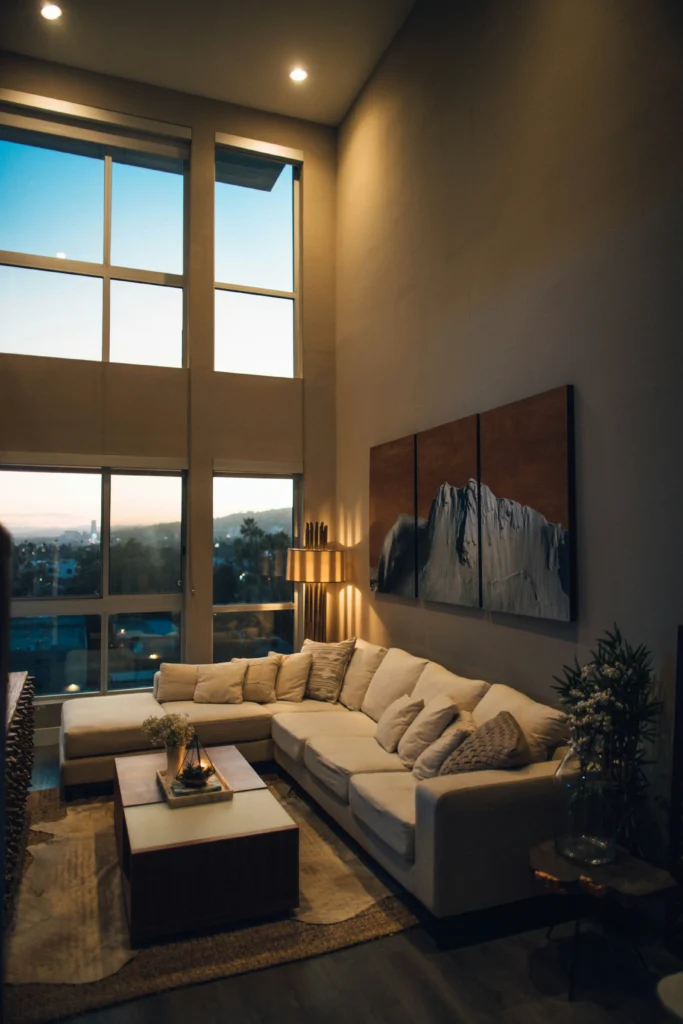
Midimalism is the perfect balance between minimalism and maximalism. It’s a decorating approach that features fewer decorative items, but the items that are introduced have maximum impact.
It sits somewhere between maximalism—which has been a huge trend in interior design in recent years—and minimalism, which continues to be one of the most popular design styles. Midimalism takes the best qualities of both and creates a space that feels intentional, curated, and full of personality without feeling cluttered.
Midimalism vs. Maximalism
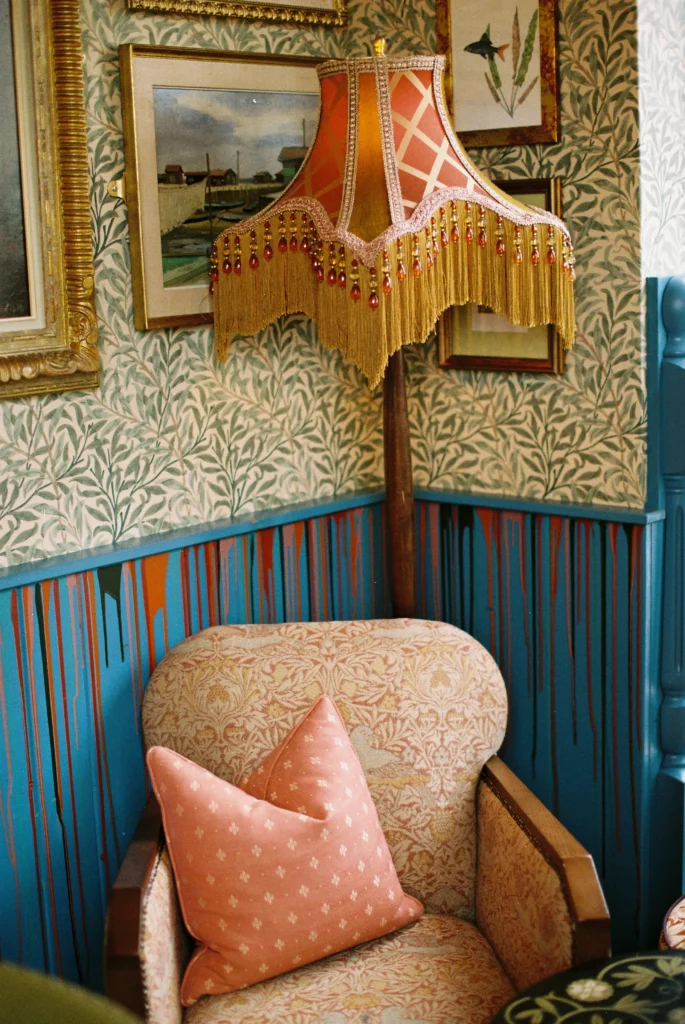
The biggest difference between Midimalism and maximalism is that Midimalism doesn’t strive for an over-decorated or layered look.
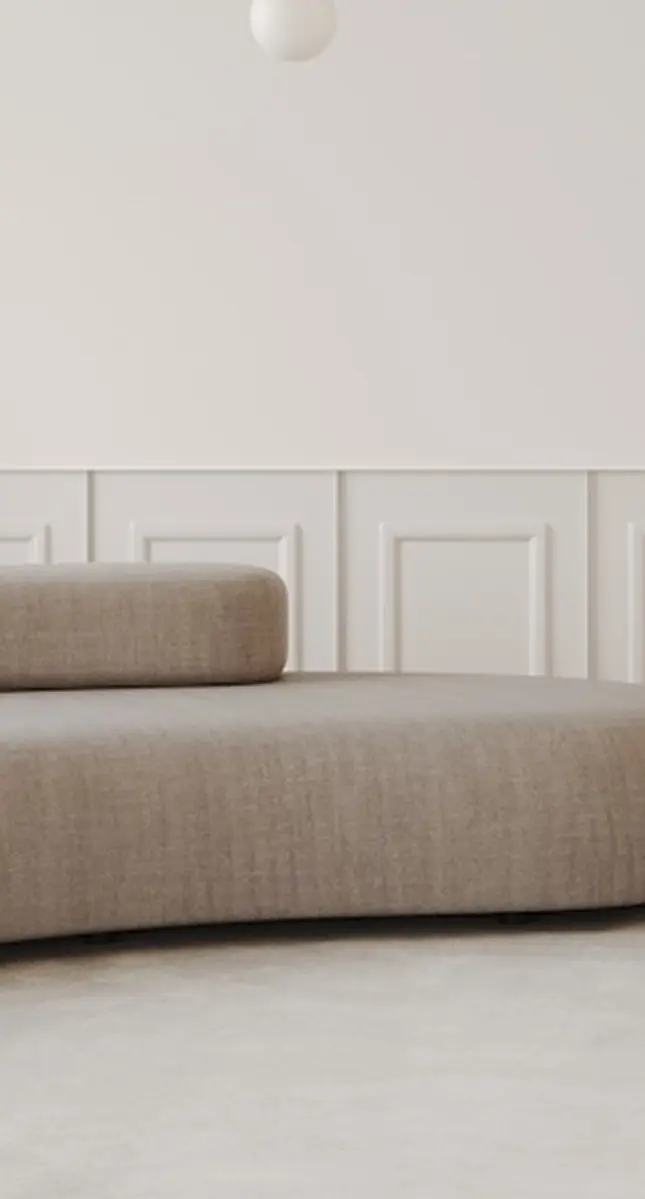
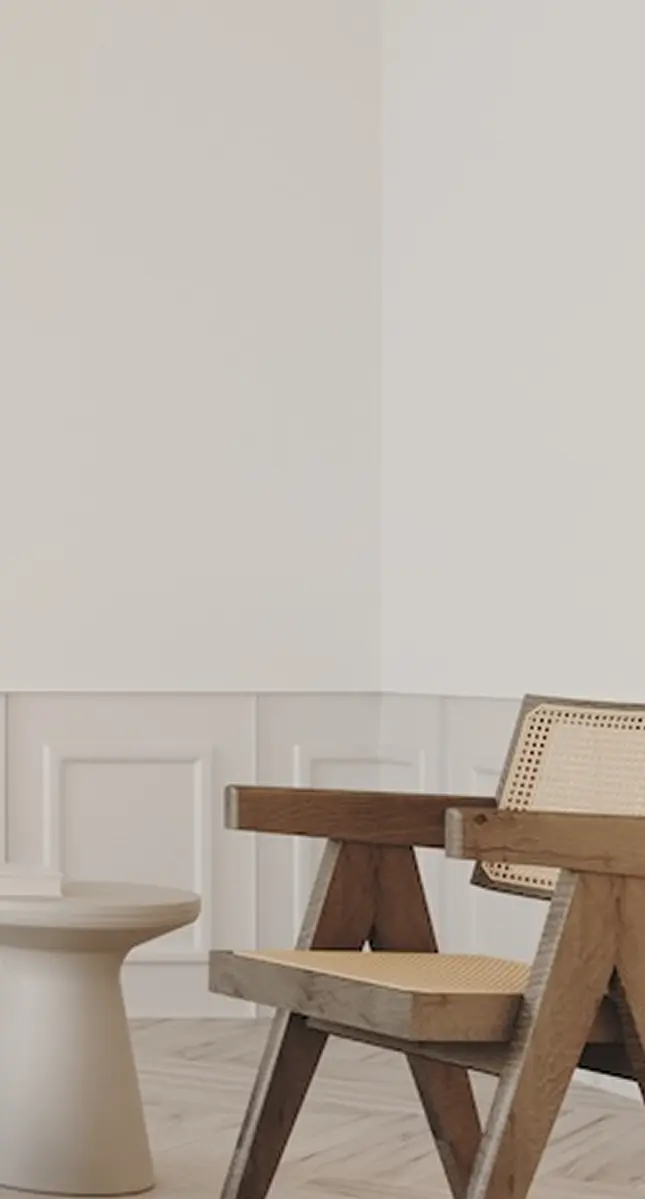
Instead, it focuses on incorporating impactful design elements—perhaps a bold accent rug, an interesting chair, or a dramatic light fixture—while pairing them with quieter supporting elements. The result is a space where a few pieces are allowed to shine.
Maximalism, on the other hand, embraces abundance. Nearly every design element is bold, colourful, patterned, or full of character. The room is filled with personality at every turn, and when it’s done well, it can be incredibly exciting and expressive. For some people, though, it can also feel visually overwhelming or difficult to maintain.
I have a huge appreciation for maximalist interiors, but Midimalism is much more my style. I also think it’s a style that’s easier for most people to live with because it offers personality without visual overload.
Midimalism vs. Minimalism
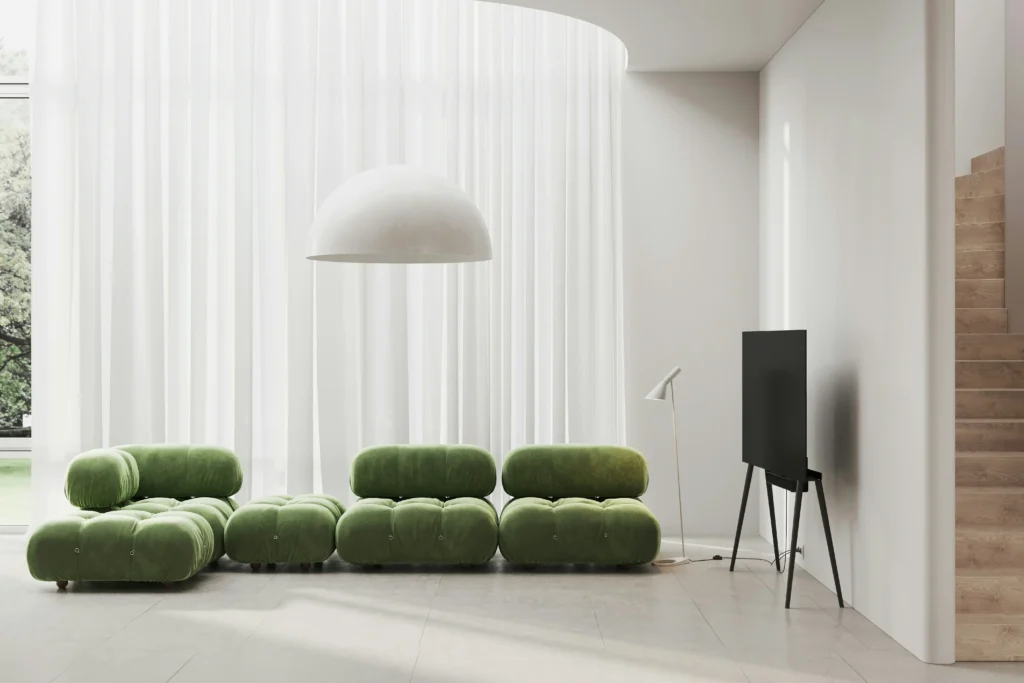
Compared to minimalism, Midimalism incorporates more decorative objects and layers. It isn’t as sparse or stark.
Minimalism can sometimes feel a little cold or leave you wanting something more. Midimalism fills that gap by introducing just enough personality and visual interest without tipping into clutter. It’s the sweet spot between “not enough” and “too much.”
The Elements of Midimalism
Sculptural Pieces with Personality
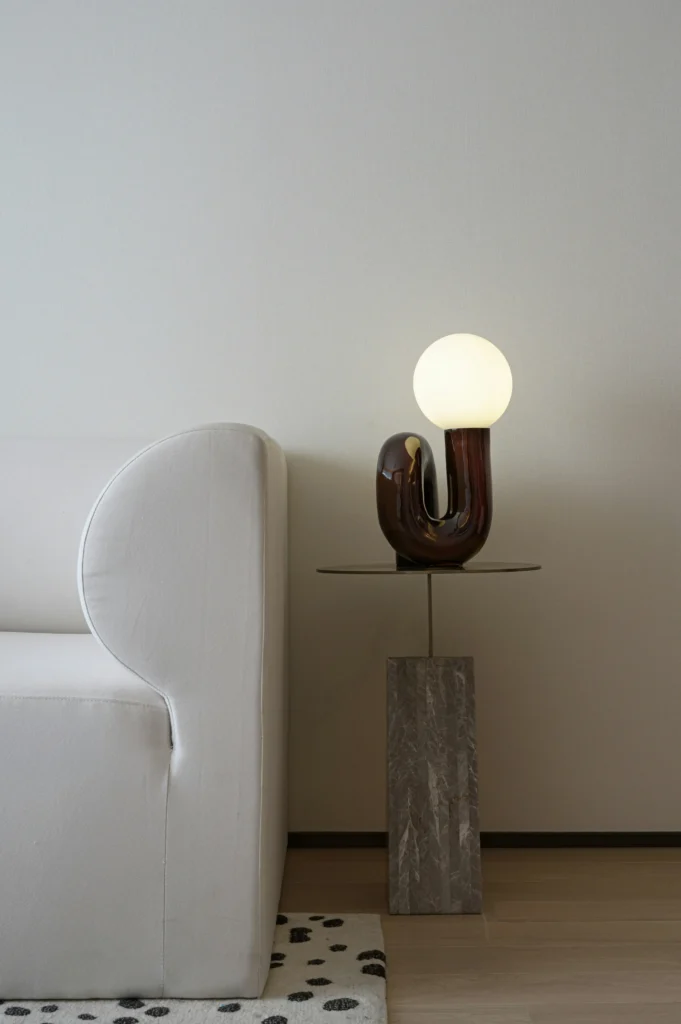
As I mentioned earlier, Midimalism is all about creating impact with the pieces you choose while avoiding an overly busy look.
Spaces designed in this style naturally have personality through the shapes, forms, and character of the furniture and decor. Think sculptural chairs, unique side tables, statement lighting, or an unexpected accent piece.
The key is balance. Pair these statement pieces with more understated elements that allow them to stand out. Not everything in the room needs to compete for attention. Some pieces are the stars of the show, while others play a supporting role.
When decorating in this style, ask yourself: Which pieces do I want to highlight? What personality do they bring to the room? What supporting pieces will help them shine?
Impactful Artwork
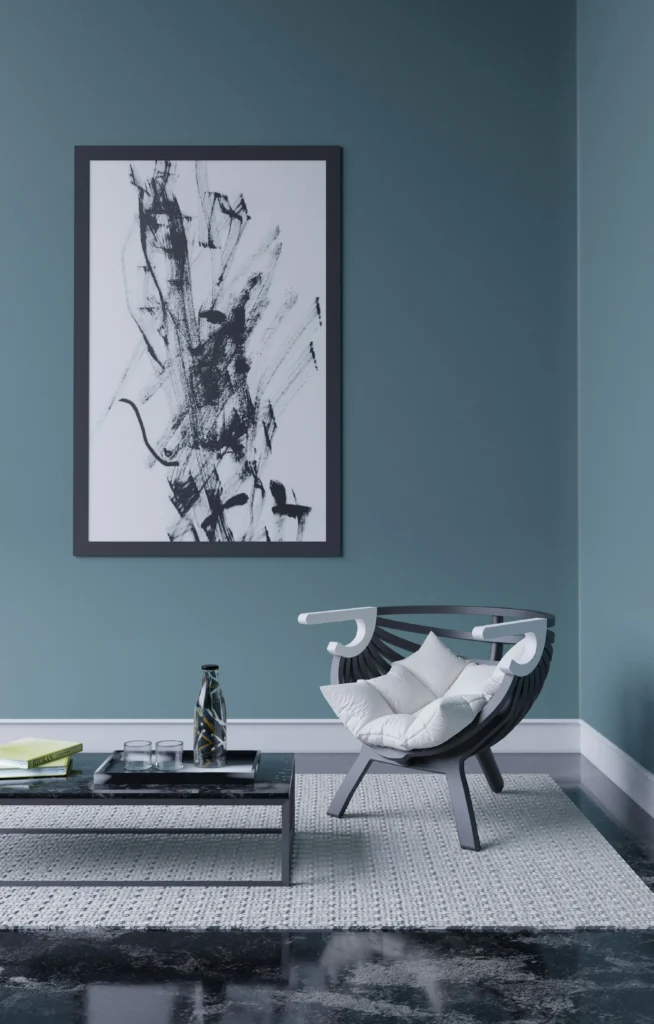
Artwork can completely change the mood and personality of a room.
With Midimalism, the goal is to create impact with fewer pieces. Rather than covering a wall with a gallery arrangement, you might opt for one large-scale artwork that becomes the focal point of the room.
Look for artwork that feels unique, dramatic, or emotionally engaging. Let it command attention instead of competing with several smaller pieces.
Intentional Decor
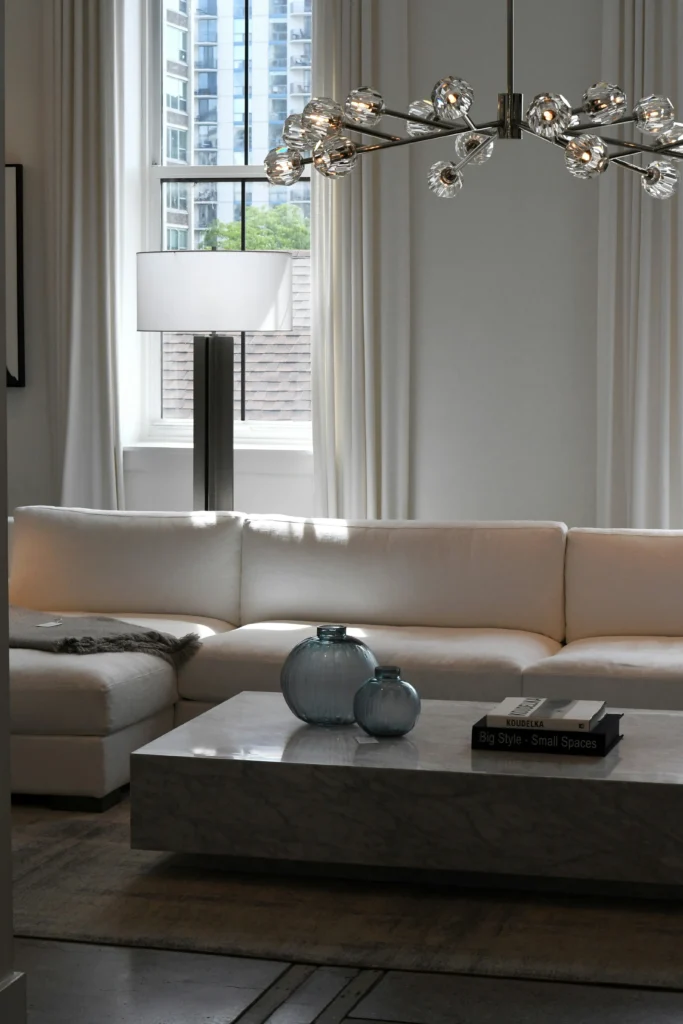
In Midimalism, every decorative object should have a purpose.
Unlike some maximalist interiors where coffee tables and shelves are filled with accessories simply to create layers, Midimalism is more selective. Each piece should add character, tell a story, or contribute something meaningful to the space.
Think about statement objects that can stand on their own, or a carefully curated collection of pieces you’ve gathered during your travels. Less is more—but only if the pieces themselves are interesting enough.
Decorative Balance
A truly Midimalist space has moments of simplicity alongside moments of visual interest.
Some areas of the room may be intentionally minimal, while others feature more layering or decorative detail. Together, these contrasts create balance. The overall space doesn’t feel empty like strict minimalism, nor does it feel busy like maximalism. Instead, it lands comfortably somewhere in the middle.
Tips for Decorating in a Midimalist Style
If you’d like to achieve a Midimalist look in your own home, start by being intentional with every piece you bring into the space.
Limit decorative groupings to around three objects, and look for decor that can stand on its own rather than relying on lots of smaller accessories. Focus on quality over quantity, and don’t be afraid to leave some breathing room between objects.
It’s also important to eliminate unnecessary clutter. Before adding something to your home, ask yourself whether it contributes to the overall design or simply fills space.
The goal isn’t to decorate less, it’s to decorate more thoughtfully.
Above all, avoid over-decorating. Too many decorative objects create unnecessary visual weight, which goes against the essence of Midimalism. Instead, choose fewer pieces with more personality and let each one have the opportunity to make an impact.
Click Here To Shop My Favourite Home Goods
Let’s design your space together, virtually.